19 Best Hair Damage Repair Treatments for Every Hair Type
Damaged hair does not have to stay damaged. Bleach, heat, tight styles, and even everyday brushing slowly wear down the hair’s structure, leaving it dry, stretchy, and full of split ends. The good news is that hair is remarkably forgiving when you give it the right care. From bond rebuilding salon treatments to simple kitchen cupboard masks, there is a repair ritual for every hair type and every budget. The trick is matching the treatment to your damage: protein for breakage, moisture for dryness, and bond repair for chemical processing. Below are nineteen tried and true treatments that bring tired hair back to life, each with a tip so you can get the most out of it. You may also like our low-maintenance blonde hair ideas.
Bond-Building Repair Treatment for Bleached Hair
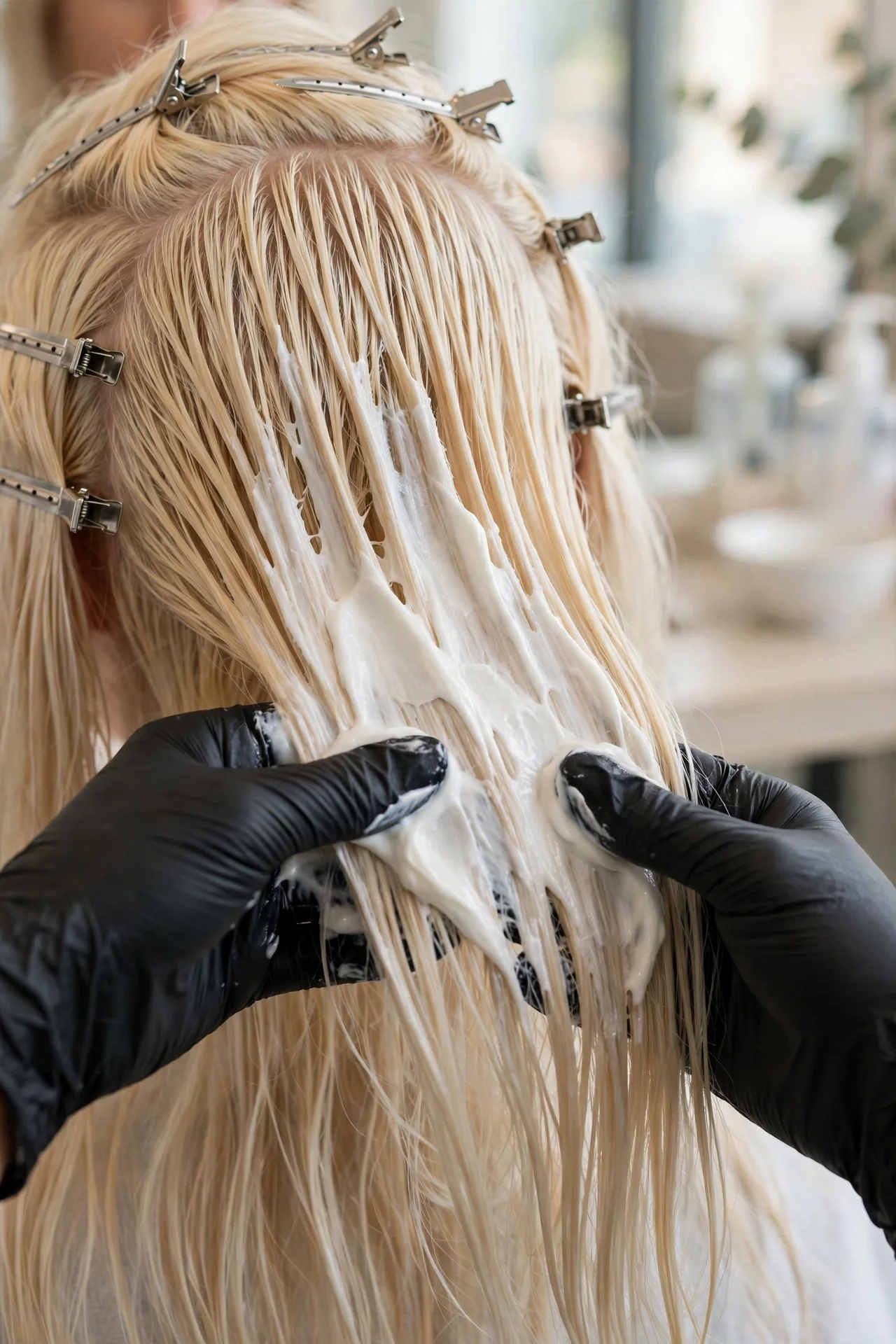
Bleach breaks the tiny disulfide bonds inside each strand, which is why bleached hair stretches, snaps, and feels gummy when wet. A bond-building treatment works inside the hair to reconnect those broken bonds instead of just coating the surface. Used after coloring and then weekly at home, it leaves bleached hair noticeably stronger, smoother, and shinier within a few uses. It suits any hair that has been lightened, highlighted, or double processed. Apply it to damp, shampooed hair from mid lengths to ends, leave it on for ten minutes, and rinse thoroughly before conditioning. For more inspiration, explore our volume-boosting layered hairstyles for women over 50 with thin hair.
Hot Argan Oil Ritual for Brittle Ends
Argan oil is packed with vitamin E and fatty acids that soak into porous, brittle ends and seal in softness. Warming the oil first helps it penetrate deeper, so the ends come out silky and far less crunchy. Regular use also slows down the splitting that makes dry hair look thin. This suits medium to thick hair, especially hair that is dry from heat styling. Warm two tablespoons of oil in a bowl of hot water, massage into the ends, wrap in a towel for twenty minutes, then shampoo out.

Coconut Oil Pre-Wash Soak for Dry Hair
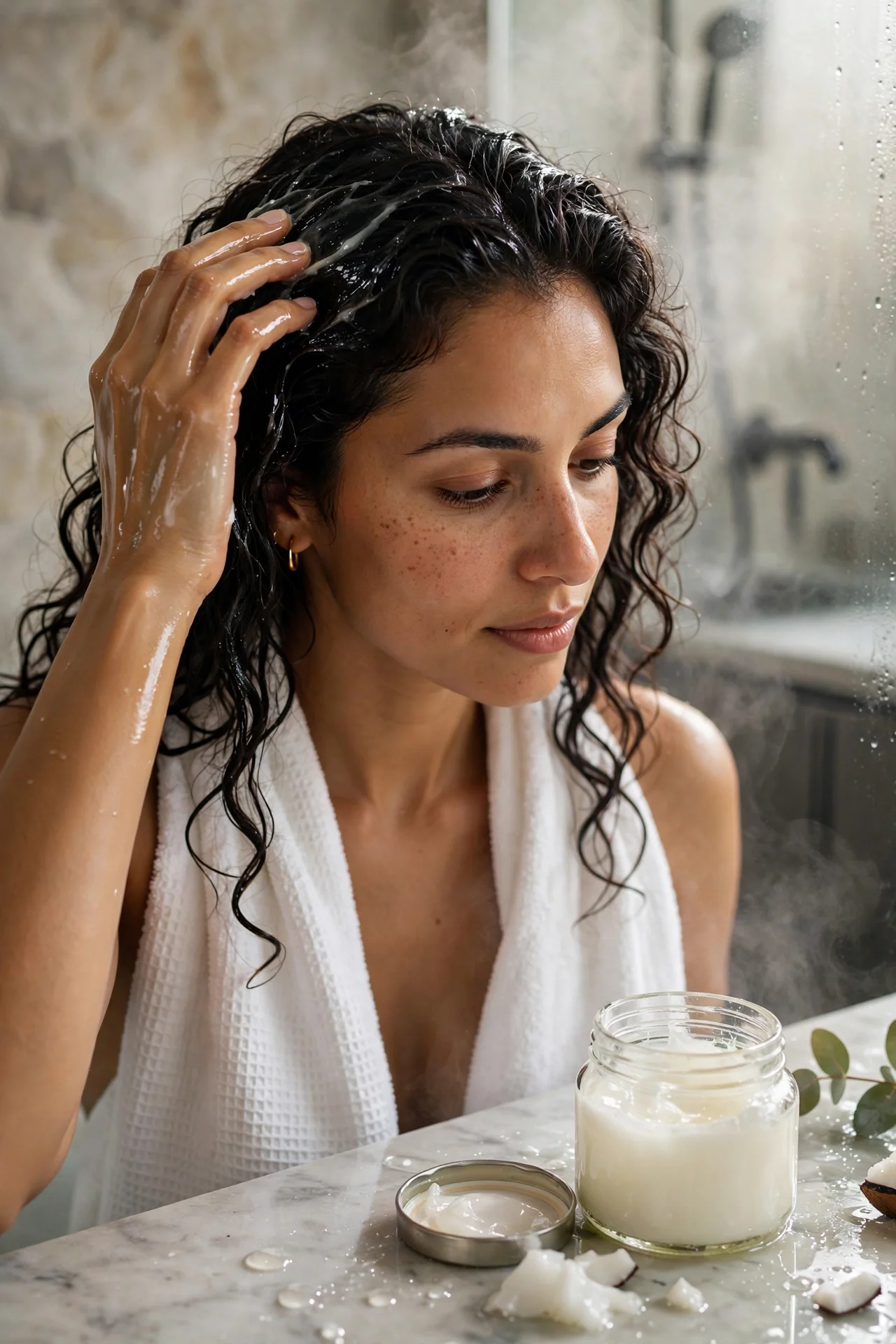
Washing hair strips away natural oils, and for already dry hair that daily loss adds up fast. A coconut oil soak before shampooing gives the strands something to lose instead, and its unique molecular structure lets it penetrate the hair shaft rather than just sitting on top. Hair comes out of the wash noticeably softer and less frizzy, with fewer tangles to fight through. This is a favorite for thick, coarse, and high porosity hair. Coat dry hair generously from roots to ends, leave it for at least thirty minutes or overnight, then shampoo twice to remove it fully.
Keratin Smoothing Treatment for Frizzy, Damaged Hair
When the outer cuticle layer is roughed up by heat and chemicals, hair turns frizzy and dull no matter what you put on it. A keratin smoothing treatment fills in those gaps and seals the cuticle flat, so hair dries straighter, shinier, and far easier to manage for weeks. It does not permanently straighten, so your natural texture stays underneath. This suits wavy, curly, and frizzy hair types that battle humidity. Book it at a salon for the longest lasting result, and use sulfate free shampoo afterward to keep the treatment in for the full three months.
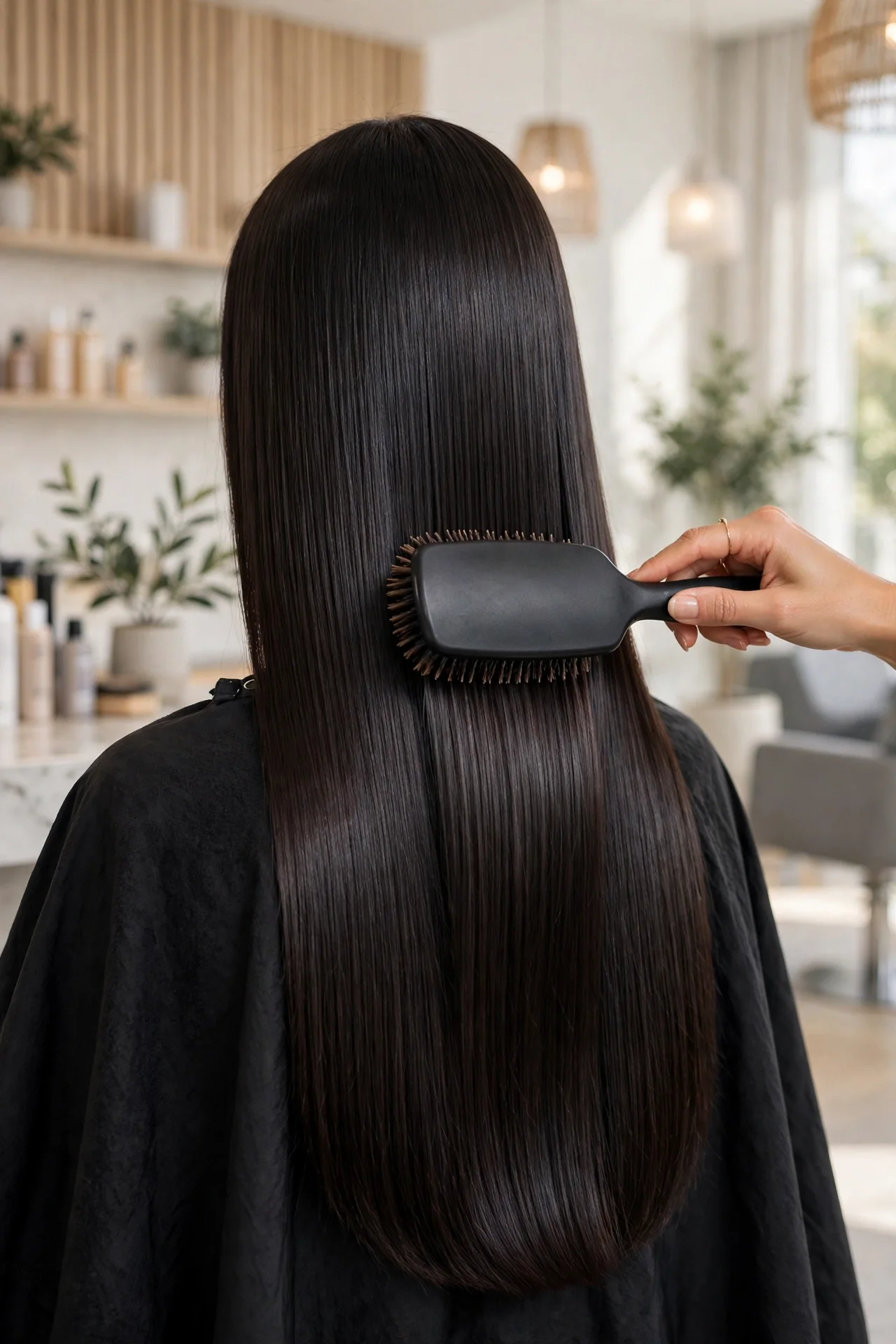
Rice Water Strengthening Rinse for Fine Hair
Rice water has been used for centuries to strengthen hair, and it is especially kind to fine hair that goes limp under heavy masks. The starch and amino acids coat each strand lightly, adding body and resilience without weighing it down, so fine hair feels thicker and breaks less when brushed. With regular use, hair looks fuller and holds styles better. This suits fine, thin, and straight to wavy hair. Rinse fermented rice water through clean, damp hair after shampooing, leave for five to ten minutes, then rinse and condition lightly only on the ends. See also our haircuts for thick wavy hair for more ideas.
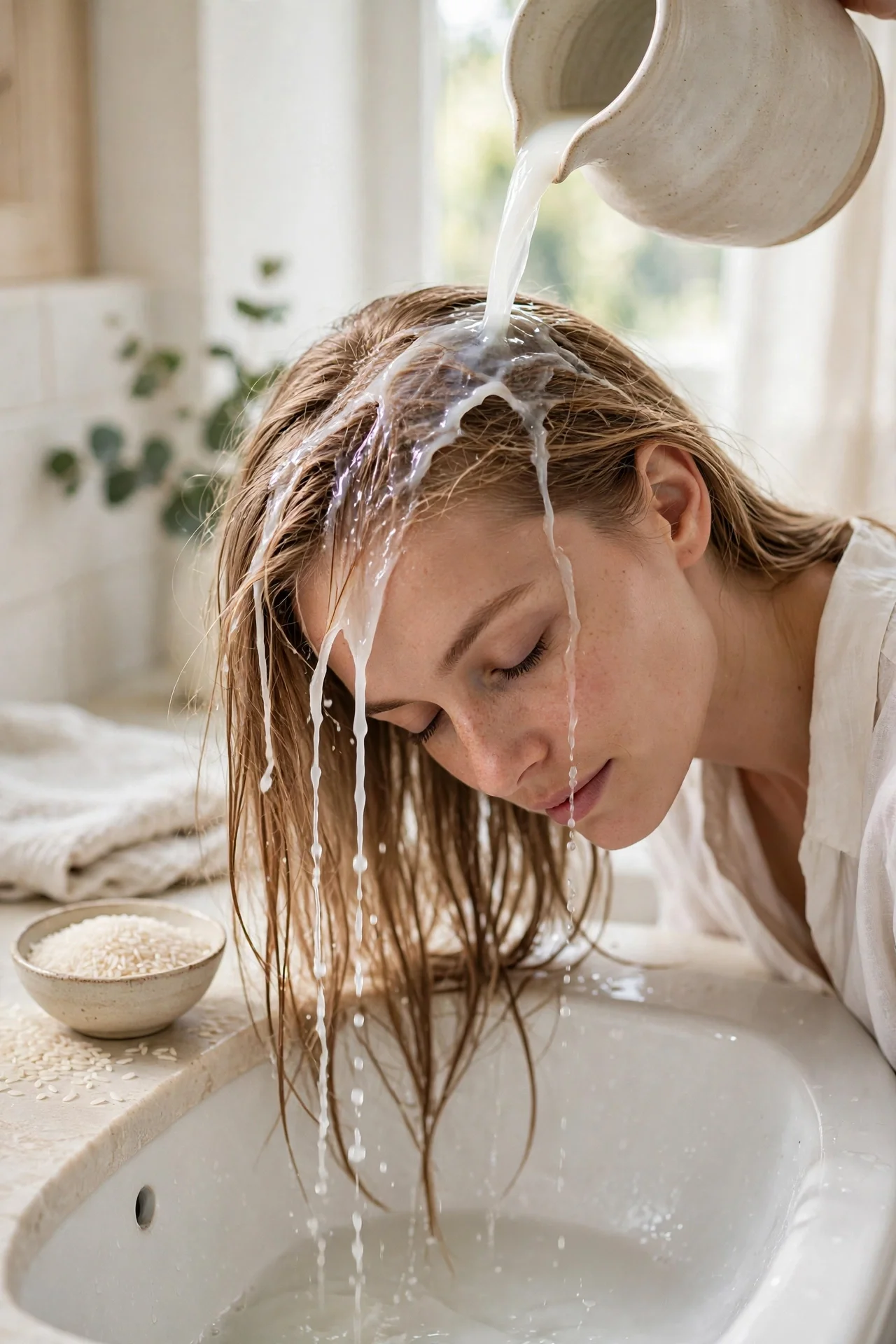
Aloe Vera and Honey Mask for Sun-Damaged Hair
Sun exposure quietly fries hair the same way it burns skin, leaving it faded, dry, and rough to the touch. Aloe vera cools and rehydrates stressed strands with its water rich gel, while honey acts as a humectant that pulls moisture into the hair and locks it there. Together they leave sun tired hair soft, shiny, and smelling faintly sweet. This suits all hair types, especially hair that spends time outdoors or by the pool. Mix equal parts fresh aloe gel and raw honey, apply to damp hair for thirty minutes, and rinse with cool water.

Shea Butter Deep Mask for Curly and Coily Hair
Curly and coily hair is naturally drier because scalp oils cannot travel down the twists of each strand. Shea butter is one of the richest natural moisturizers there is, melting into curls and keeping them supple, defined, and frizz free for days. Regular deep masking also cuts down on breakage that keeps curls from reaching their full length. This suits type 3 and 4 curls and anyone with very dry, coarse hair. Warm the butter between your palms, rake it through damp sectioned hair, and leave under a shower cap for an hour.

Apple Cider Vinegar Clarifying Rinse for Product Buildup
When hair stops responding to your usual products, buildup is usually the culprit. Styling products, hard water minerals, and silicones layer onto the hair until treatments cannot get through. An apple cider vinegar rinse cuts through that residue and smooths the cuticle, so hair looks instantly shinier and treatments absorb properly again. It also helps rebalance the scalp. This suits all hair types, used once or twice a month. Dilute two tablespoons in a cup of water, pour through hair after shampooing, wait two minutes, and rinse cool.

Overnight Split-End Serum and Silk Pillowcase Routine
Split ends travel upward if left alone, which is why ends always look thinner no matter how much you trim. A split-end sealing serum temporarily binds frayed ends together while you sleep, and a silk pillowcase reduces the friction that creates new splits overnight. Together they keep ends looking thick and smooth between trims. This suits long hair of any texture, especially hair prone to tangling. Smooth a pea sized amount of serum through the ends before bed, sleep on silk or satin, and you will notice less morning breakage within a week.

Castor Oil Scalp Massage for Breakage-Prone Hair
Healthy hair starts at the scalp, and breakage often begins with a dry, tight, undernourished one. Castor oil is thick and rich in ricinoleic acid, which helps moisturize the scalp and improve the feel of new growth coming in. Massaging it in for a few minutes boosts circulation and turns the treatment into a genuinely relaxing ritual. This suits anyone with dry scalps, thinning edges, or hair that snaps at the roots. Warm the oil slightly, massage into the scalp with fingertips for five minutes, and leave for an hour before shampooing well.
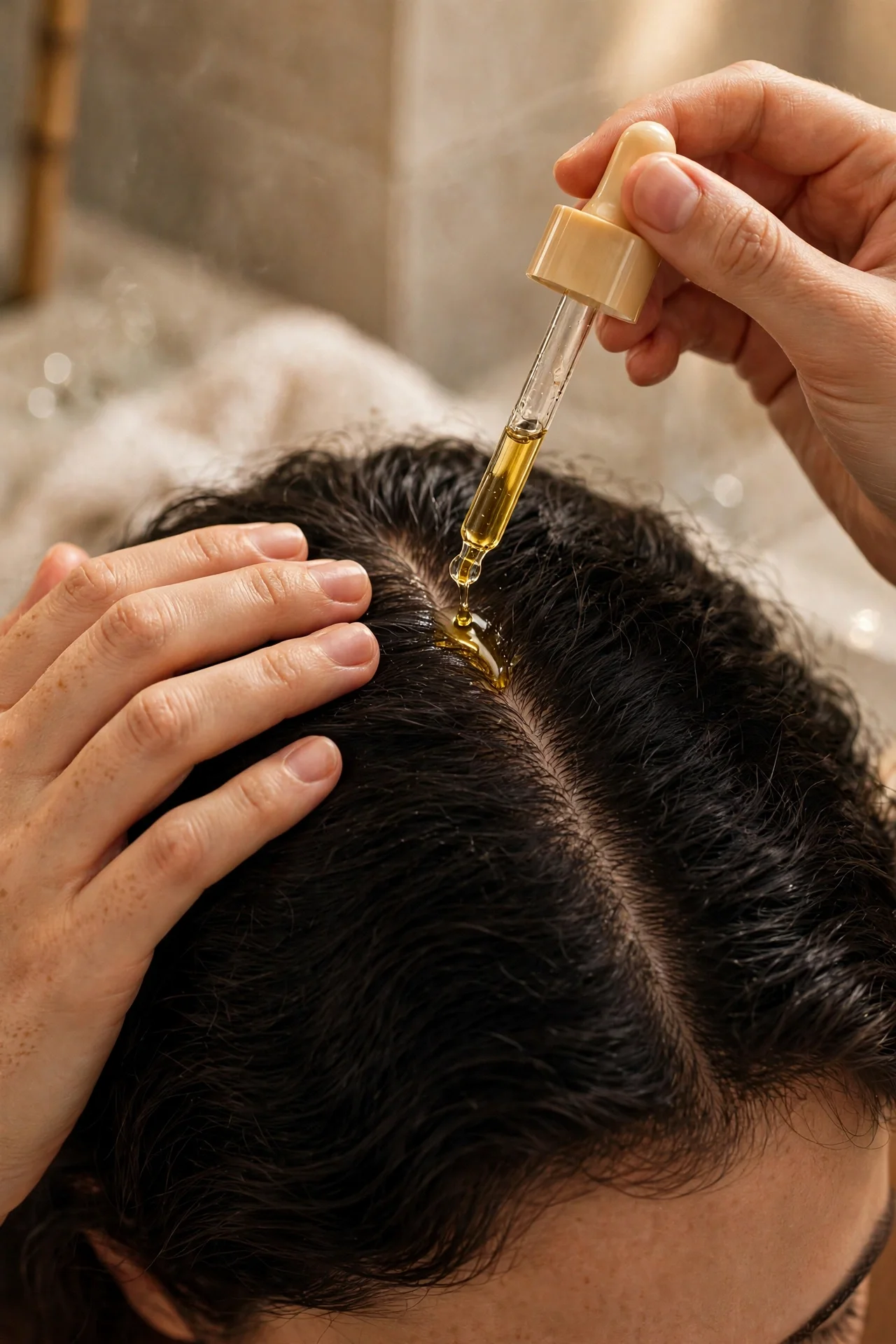
Avocado Banana Repair Mask for Thirsty Lengths
When hair feels like straw no matter how much conditioner you use, it needs real nourishment, not just coating. Avocado is loaded with healthy fats and vitamins that soften and strengthen, while banana adds potassium and moisture that make hair feel supple again. Blended smooth, this mask leaves lengths noticeably softer and easier to detangle after one use. This suits dry, thick, and damaged hair of all textures. Blend one ripe avocado with half a banana and a spoon of olive oil until completely smooth, apply for thirty minutes, then rinse thoroughly.
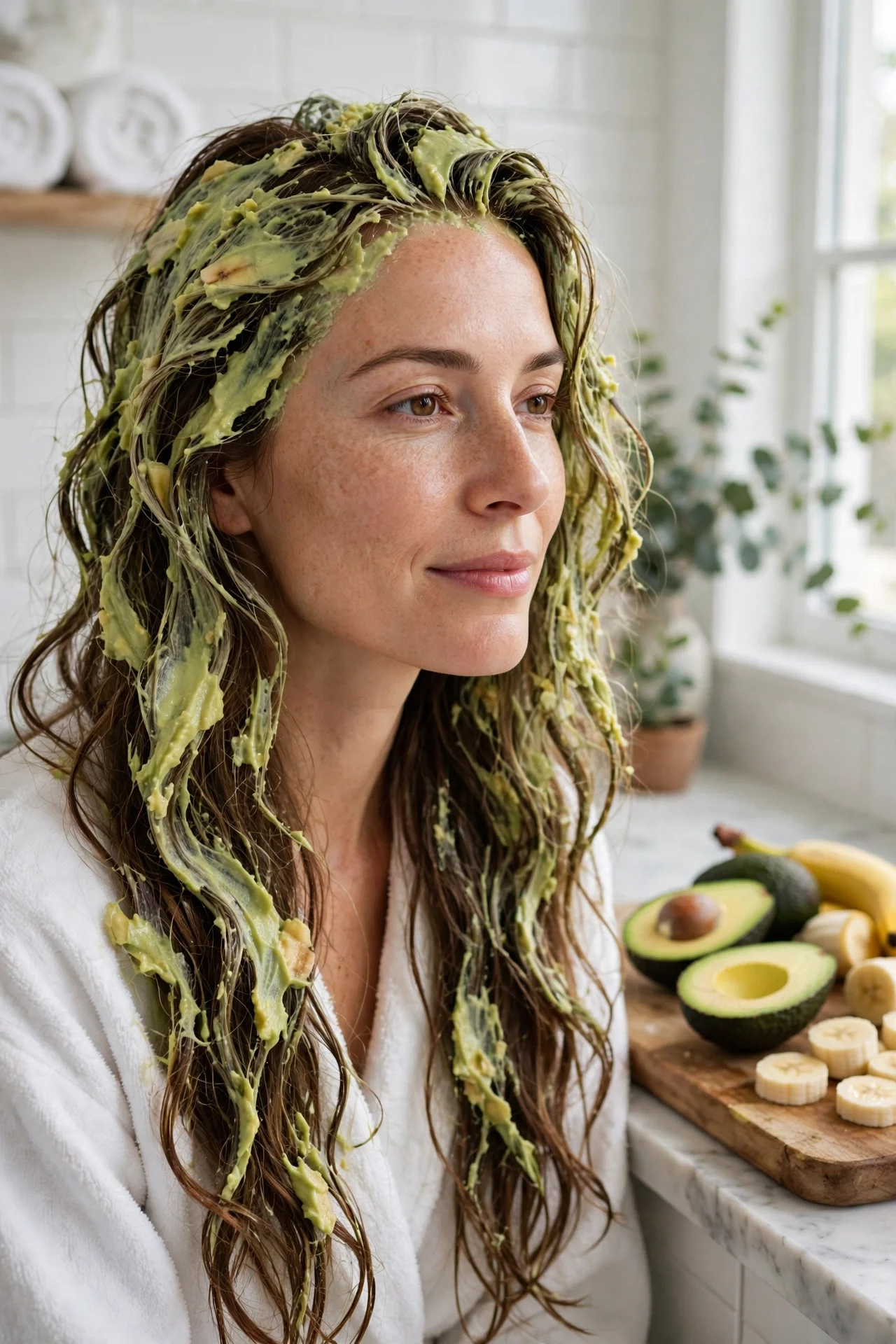
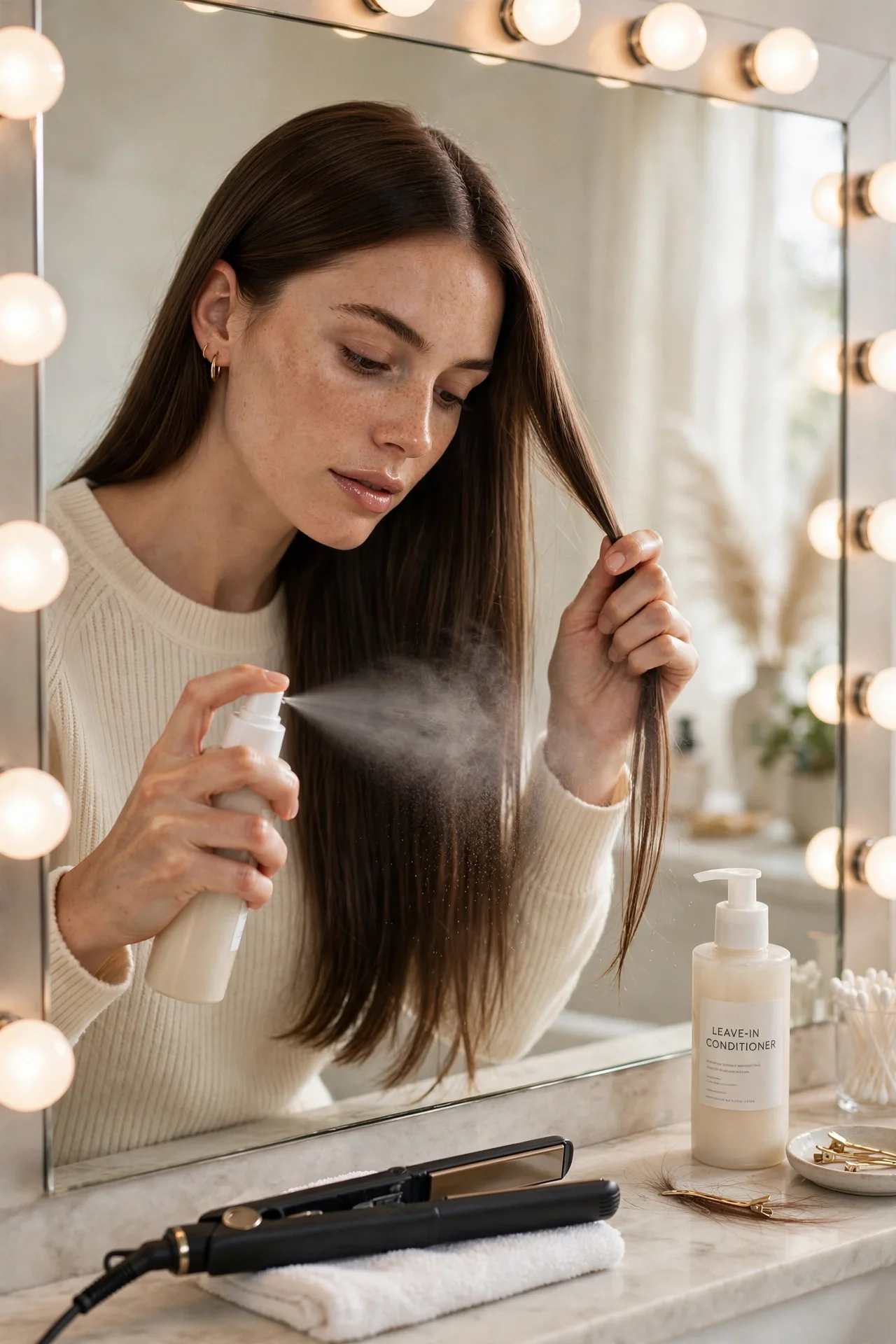
Leave-In Conditioner and Heat Protectant Duo for Daily Styling
Most heat damage happens in the seconds before the iron even touches the hair, when dry, unprotected strands meet high temperatures. A leave-in conditioner keeps hair hydrated and detangled through the day, and a heat protectant creates a barrier that slows how fast heat penetrates each strand. Used together every time you style, they dramatically cut down on the dryness and breakage heat causes. This suits anyone who blow dries, straightens, or curls regularly. Apply leave-in to damp hair, then mist heat protectant section by section right before styling.
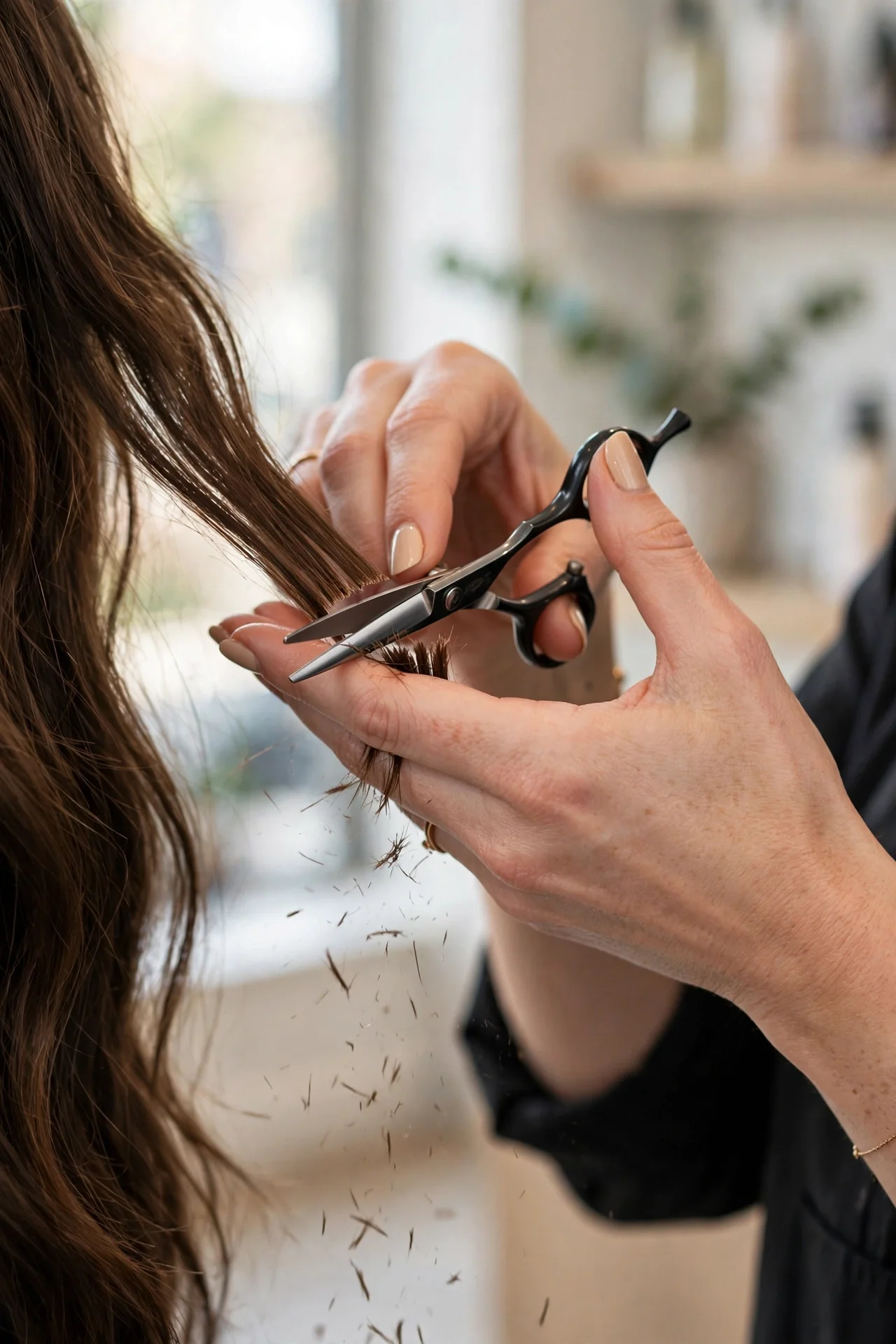
Dusting Micro-Trims for Split Ends
Split ends cannot be repaired, only removed, but you do not need to lose length to do it. Dusting means trimming just the very tips, a millimeter or two, taking off the damaged ends while keeping every bit of your length. Done every eight to twelve weeks, it stops splits from traveling up the strand and keeps hair looking thick all the way down. This suits long hair and anyone growing out damage. Ask your stylist specifically for a dusting, or twist small sections at home and snip only the hairs poking out.
Heat-Free Styling Reset Week
Sometimes the best treatment is simply stopping the thing that causes the damage. A week without flat irons, curling wands, or hot blow dryers lets the hair’s moisture levels recover and the cuticle settle down. Most people are surprised how much healthier their hair looks after just seven days of braids, buns, and air drying. This suits every hair type and is the perfect reset before a big event. Plan your week around heatless styles like overnight braids or twisted buns, and use the time to do two deep conditioning masks.

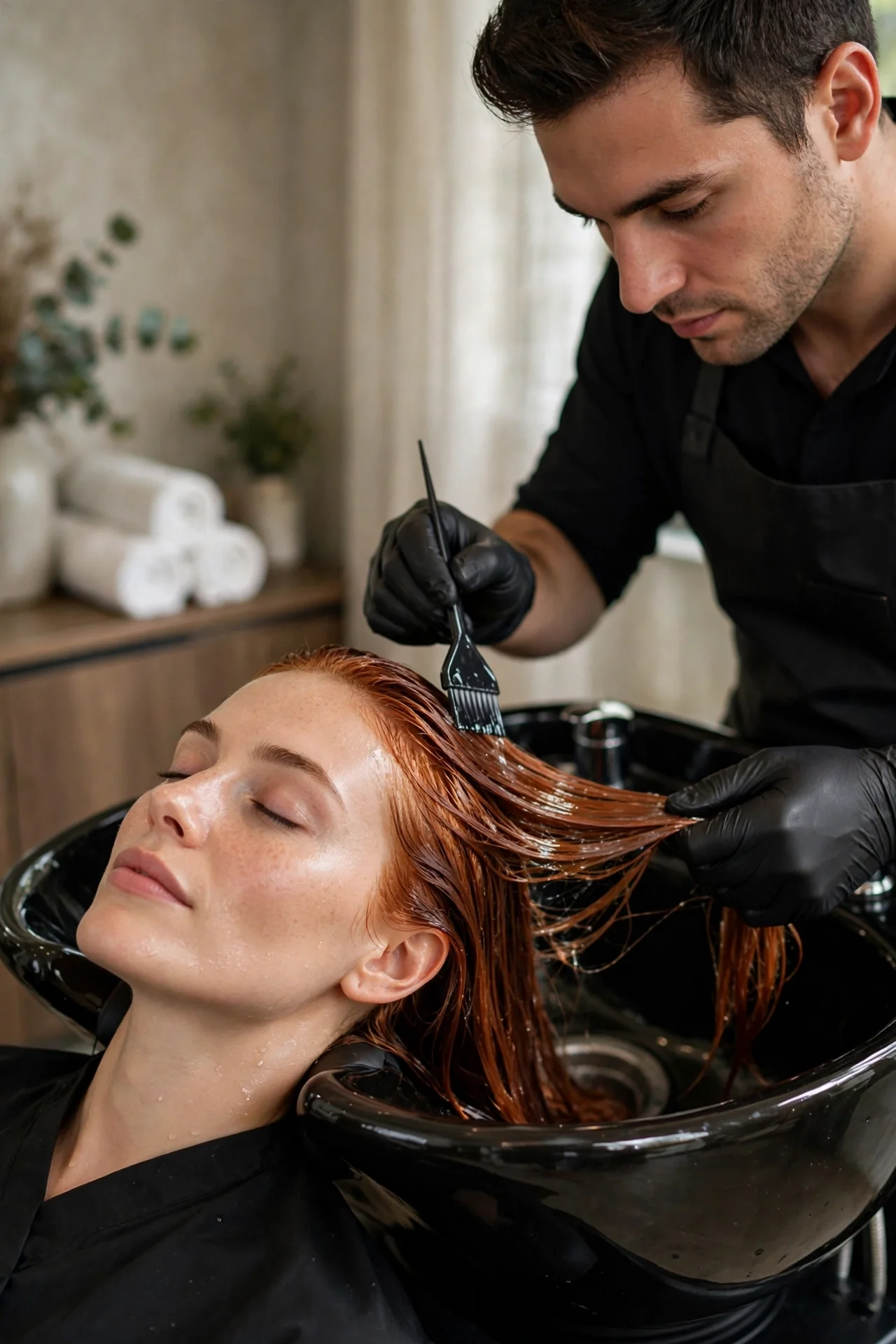
Salon Bond Gloss Treatment for Color-Damaged Hair
Color treated hair loses its shine long before it loses its color, because chemical processing roughs up the cuticle so it cannot reflect light. A salon bond gloss deposits a sheer layer of tone while sealing the cuticle smooth, so hair looks richer, glossier, and healthier in about twenty minutes. It also refreshes faded color without more bleach or dye. This suits anyone with dyed, highlighted, or toned hair. Ask your colorist for a clear or tinted gloss every six to eight weeks, and it will extend the life of your color too.
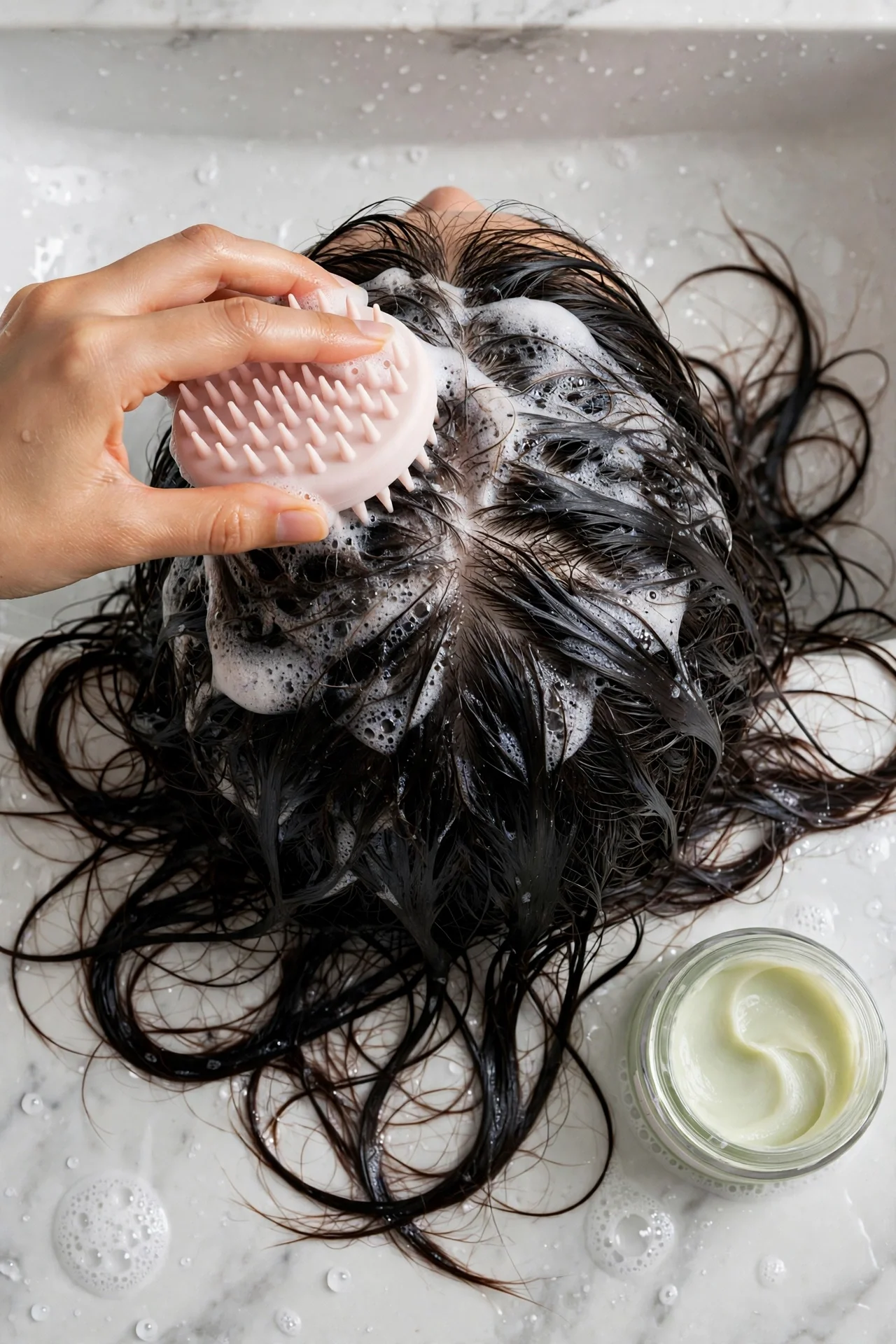
Scalp Scrub and Hydrating Mask Reset
A flaky, itchy, or oily scalp quietly sabotages everything else you do for your hair, because new growth starts off stressed. A gentle scalp scrub lifts away dead skin and buildup, and following it with a hydrating mask calms and balances the skin underneath. Hair grows in softer, roots stay cleaner longer, and styles hold better. This suits oily scalps, dandruff prone skin, and anyone who uses a lot of dry shampoo. Massage the scrub in for two minutes before shampooing, then apply the mask to the scalp for ten minutes and rinse.
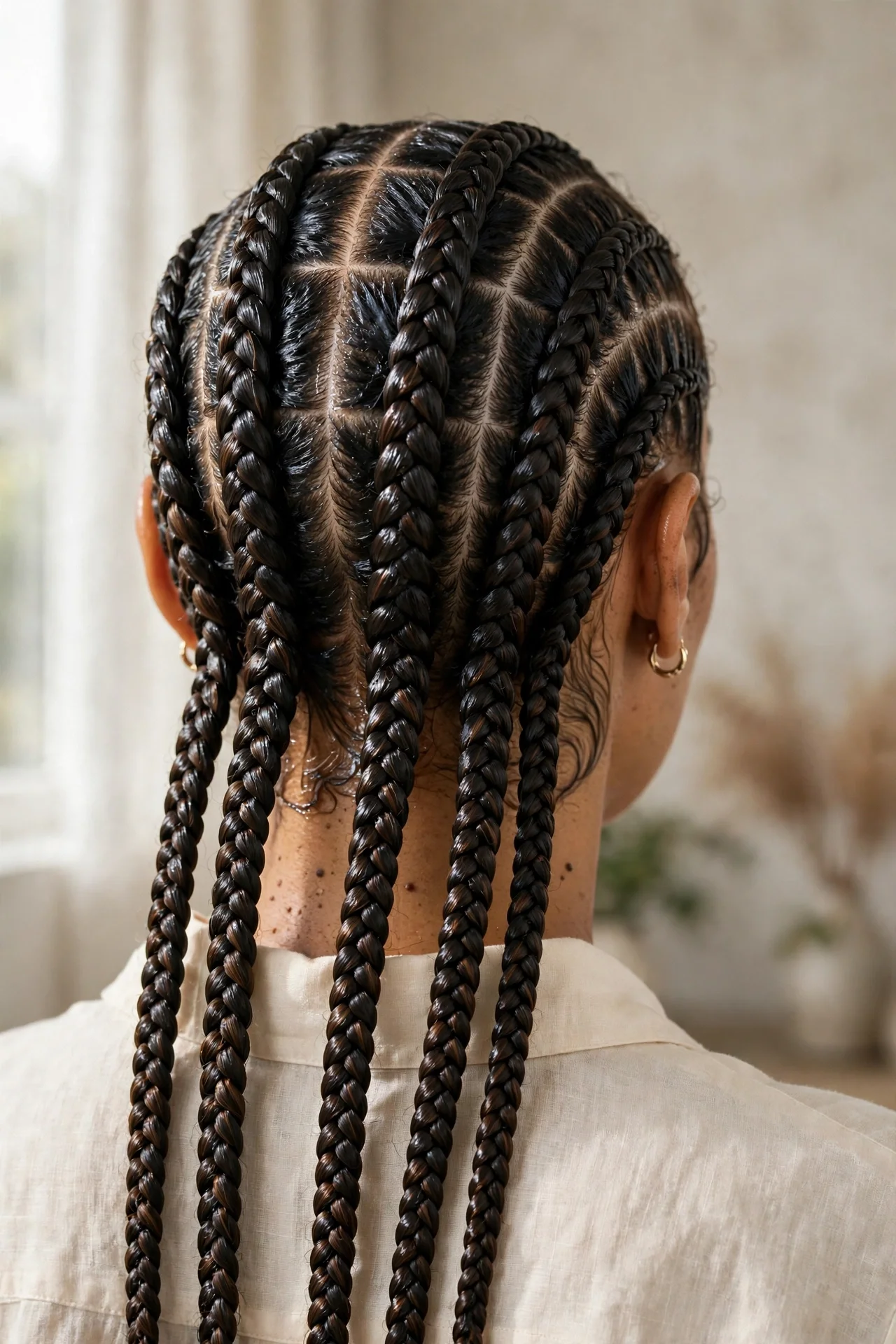
Protective Braiding Routine for Chemically Damaged Hair
Chemically damaged hair breaks most from daily handling, combing, tugging, and styling. Protective braids tuck the fragile lengths away so they are not disturbed for weeks at a time, letting treatments and natural oils do their work undisturbed. The key is keeping the braids moisturized underneath and not leaving them in too long. This suits relaxed, bleached, and transitioning hair. Oil your scalp and mist the braids with a leave-in spray twice a week, and take them down after six to eight weeks for a proper wash and deep condition.
Protein-Moisture Balancing Routine for Elasticity
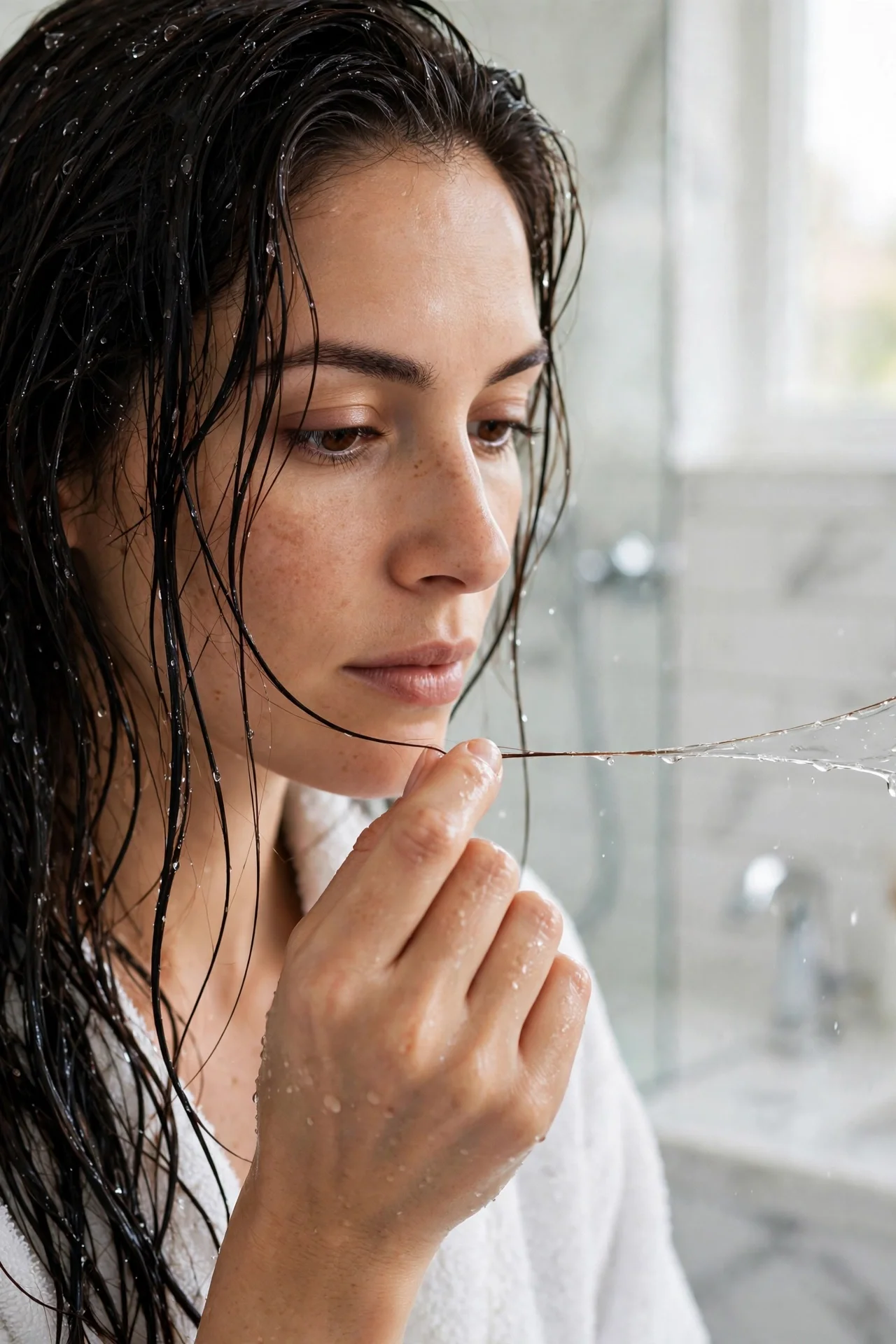
Hair needs both protein for strength and moisture for flexibility, and damage usually means one is missing. Too much protein makes hair stiff and snappy, while too much moisture makes it stretchy and limp. The sweet spot is alternating: a protein treatment one week, a deep moisture mask the next, adjusting based on how your hair feels. This suits all hair types, especially hair recovering from bleach or heat. Do the stretch test on a wet strand: if it snaps, add moisture; if it stretches forever, add protein.
Overnight Hair Oiling with a Warm Towel Wrap
Overnight oiling gives treatments hours to work instead of minutes, and wrapping the oiled hair in a warm towel opens the cuticle so the oil sinks in deeper. By morning, even very dry hair feels softer, looks shinier, and is much easier to detangle. It is a beautifully simple ritual that costs almost nothing. This suits dry, thick, and coarse hair best, though fine hair can try a lighter oil in smaller amounts. Apply oil to dry hair before bed, wrap in a warm damp towel under a shower cap, and shampoo out in the morning.

Frequently Asked Questions
How long does it take to repair damaged hair?
It depends on the damage. Surface dryness can improve in one or two treatments, while chemical or bleach damage takes six to twelve weeks of consistent care. Split ends cannot be repaired at all, only trimmed away, so regular dusting speeds up the whole process.
Can damaged hair be fully repaired, or should I cut it?
Mild to moderate damage responds very well to bond builders, protein, and moisture treatments. If hair is gummy, stretches excessively when wet, or breaks with the slightest touch, a significant cut is honestly the fastest fix, and the new growth will be far healthier.
How often should I do a deep conditioning treatment?
Once a week is the sweet spot for most damaged hair. Very dry or chemically processed hair can handle twice a week, while fine or healthy hair does better every ten to fourteen days to avoid over moisturizing.
Is protein or moisture more important for damaged hair?
You need both. Bleached and heat damaged hair usually needs protein first to rebuild strength, then moisture to keep it flexible. Alternate the two and use the wet strand stretch test to tell which one your hair is asking for.
Do DIY hair masks actually work?
Yes, for moisture and softness. Ingredients like avocado, honey, aloe vera, and oils genuinely condition the hair. They cannot rebuild broken bonds the way salon bond treatments do, so think of DIY masks as excellent maintenance between professional treatments.
What is the biggest mistake people make when repairing damaged hair?
Continuing the habits that caused the damage. No treatment can outpace daily high heat styling, skipping heat protectant, or bleaching over already fragile hair. Pair any treatment with gentler habits and the results last.
Conclusion
Repairing damaged hair is less about finding one miracle product and more about building a routine that matches your damage. Start with the treatment that fits your hair type, whether that is a bond builder for bleached hair, shea butter for curls, or a simple hot oil ritual for dry ends. Trim the splits you cannot save, protect what you are growing, and give the process a few weeks. Hair that feels hopeless today can look and feel completely different with consistent care, and these nineteen treatments give you every tool you need to get there.