23 Fulani Braids Hairstyles to Elevate Your Look in 2026
There is hardly any hair protection hairstyle that boasts as much tradition, artistry and visual flair as the Fulani braids. The unique cornrow in the middle running from the front to the back, the thinner braids on the sides of the face and sparkling beads with every turn of the head.
The unique cornrow in the middle from the front to the back, the thinner braids on the sides of the face and sparkling beads shining with every turn of the head. It is a traditional hairstyle that has been practiced for centuries in West Africa and Sahel and is constantly emerging at red-carpet events, fashion shows and social media and is never out of style.
The Fulani people, otherwise called Fula, is a nomadic tribe living in such countries as Nigeria, Senegal, Guinea, Mali, Niger and others. For this ethnic group, hair meant more than just an accessory. Patterns of braids signified marital status, wealth, age and tribal affiliation, as did the cowrie shells, amber beads and silver coins.
Below are 23 Fulani braid hairstyles you must save for later, including both traditional and modern versions of the braids featuring curls.
Classic Fulani Braid Styles Rooted in Tradition
These are the versions closest to the original. Structural, symbolic, and honestly still the most striking of the bunch.
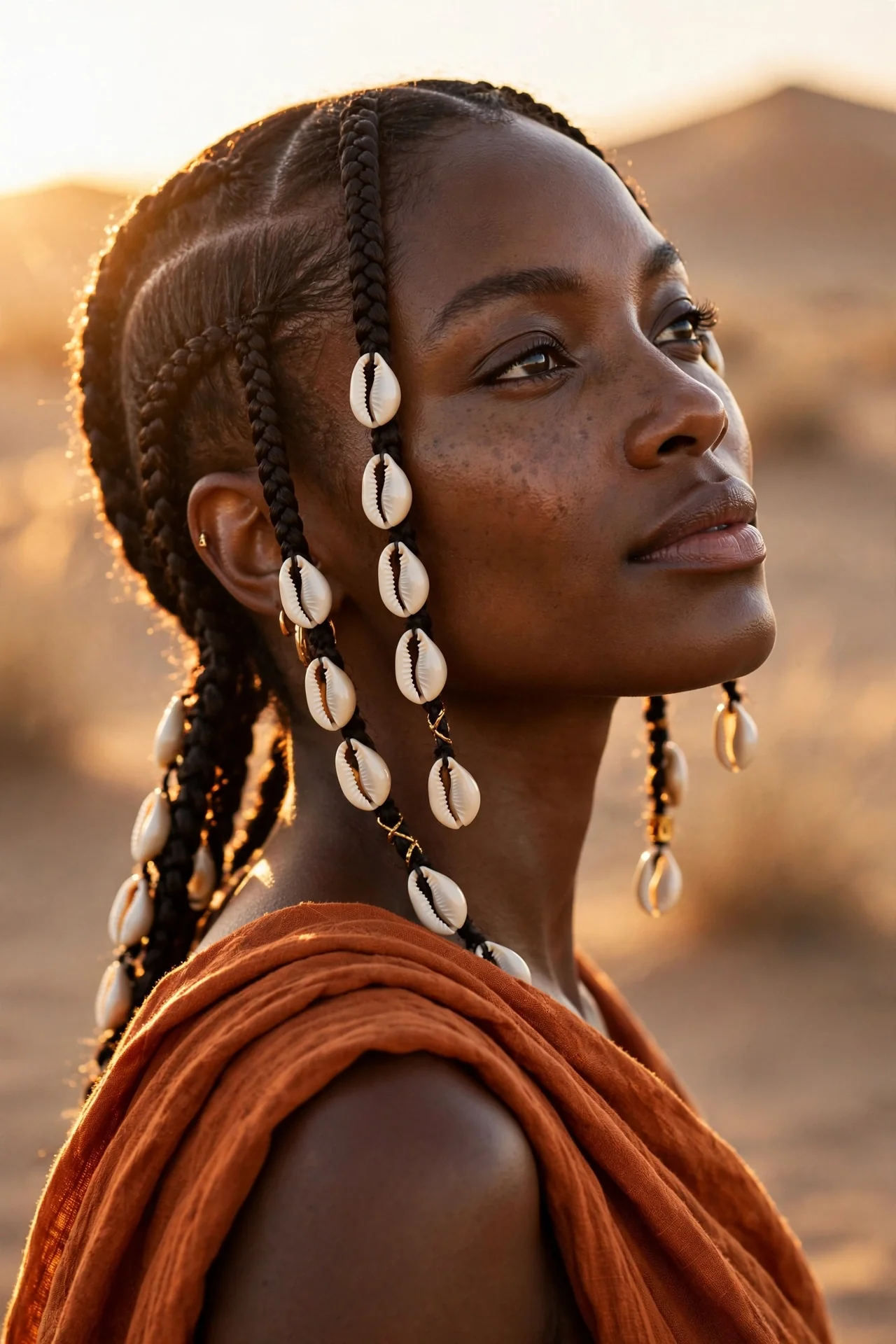
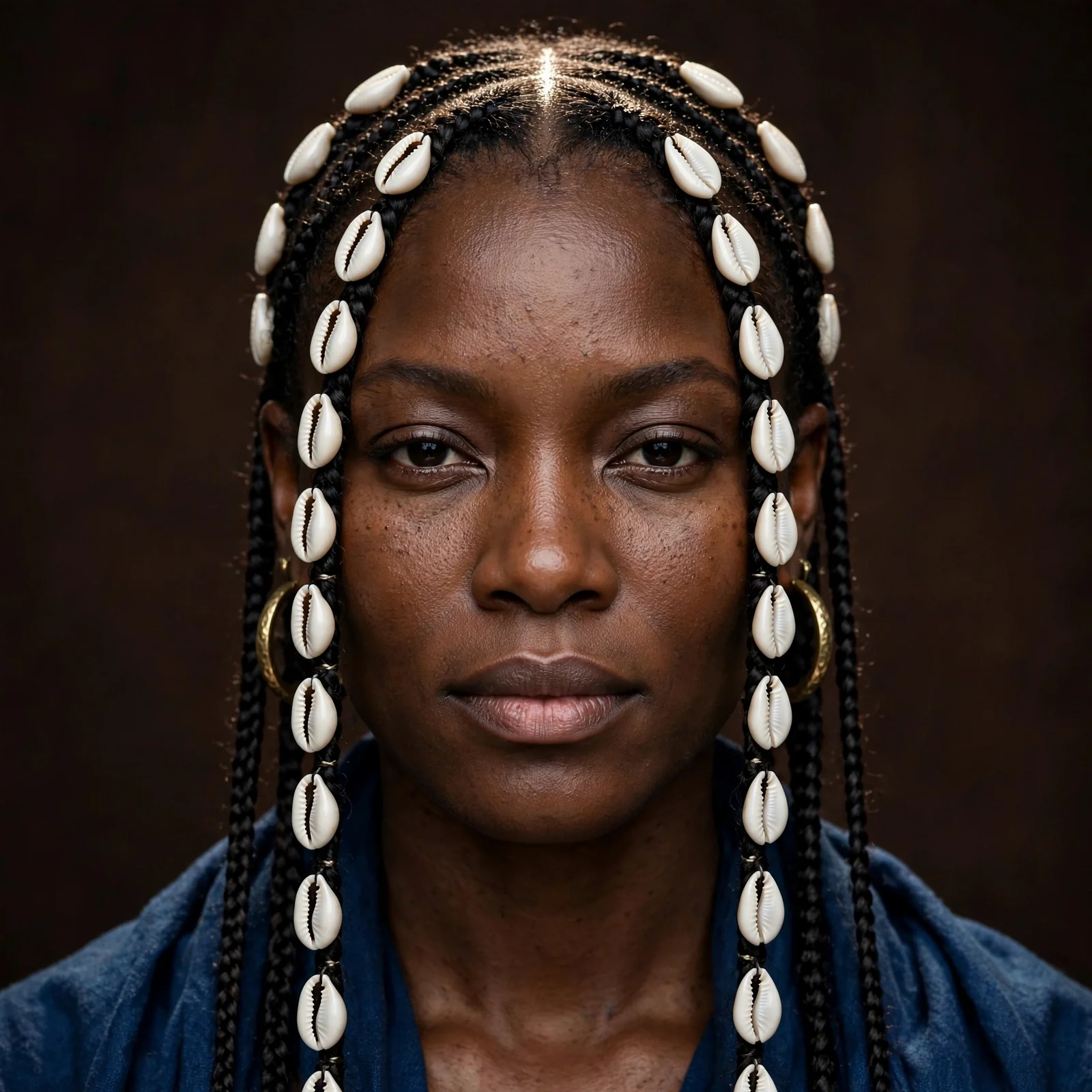
Traditional Fulani Braids with Cowrie Shells
A center cornrow braided straight back, thin braids on each side falling toward the face, and cowrie shells threaded along the length. This is the blueprint everything else builds on.
Cowries were once used as currency across parts of Africa, which is exactly why they came to symbolise wealth and prosperity. Placing them along the front braids draws attention upward and adds a subtle sound when you move. Space them unevenly rather than in perfect rows, since that asymmetry reads far more authentic than a uniform grid.
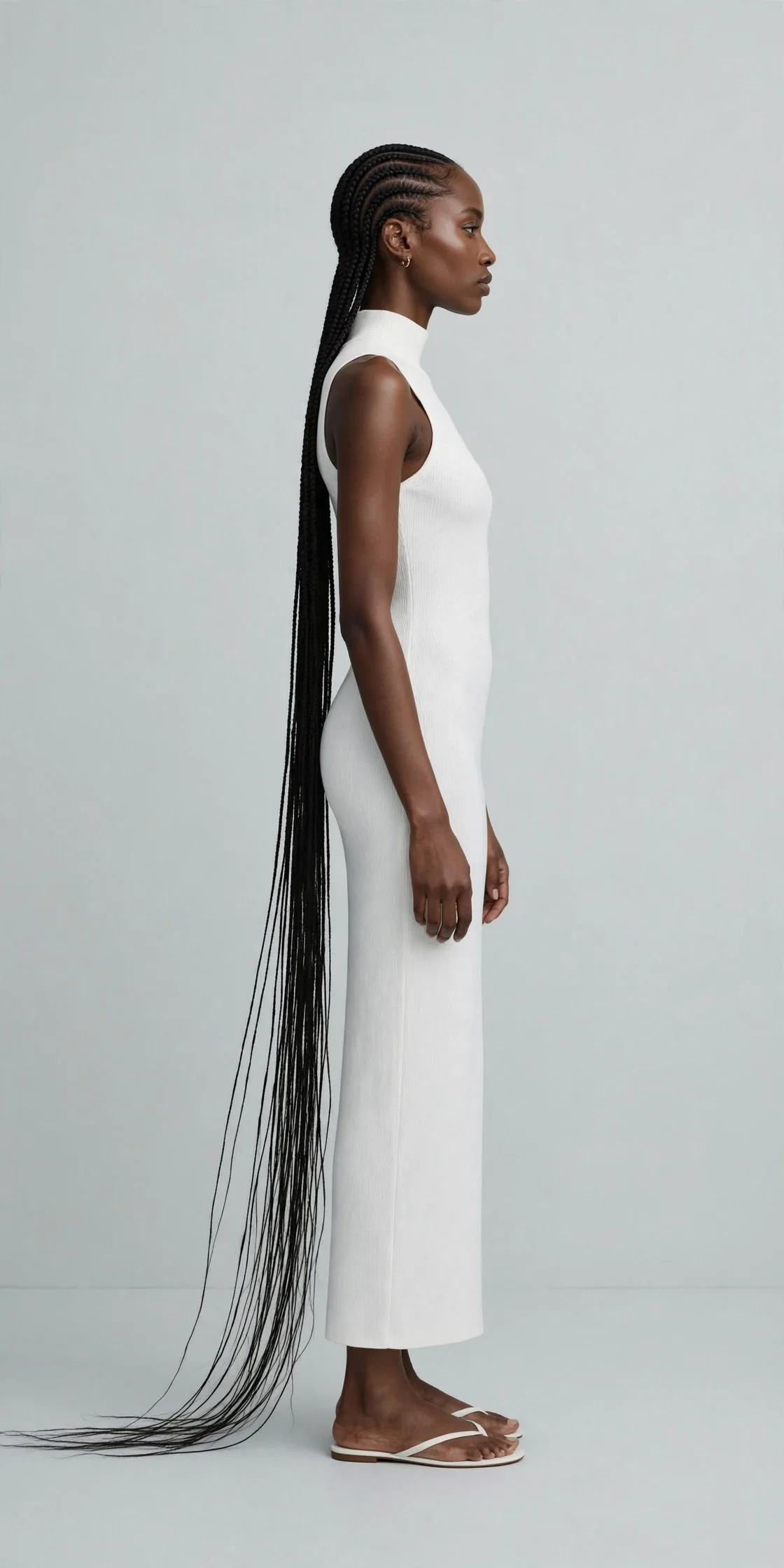
The Signature Center Cornrow with Micro Side Braids
Thin cornrows framing the forehead transition into long individual micro braids that fall down the back and sides.
Precision is what sells this look. The scalp work needs clean, straight parts, so the pattern stays readable from a distance. Micro braids take longer to install, often four to six hours for a full head, but they hang beautifully and last comfortably through six weeks. Anyone with a smaller face tends to love this one because the fine sections don’t overwhelm your features.
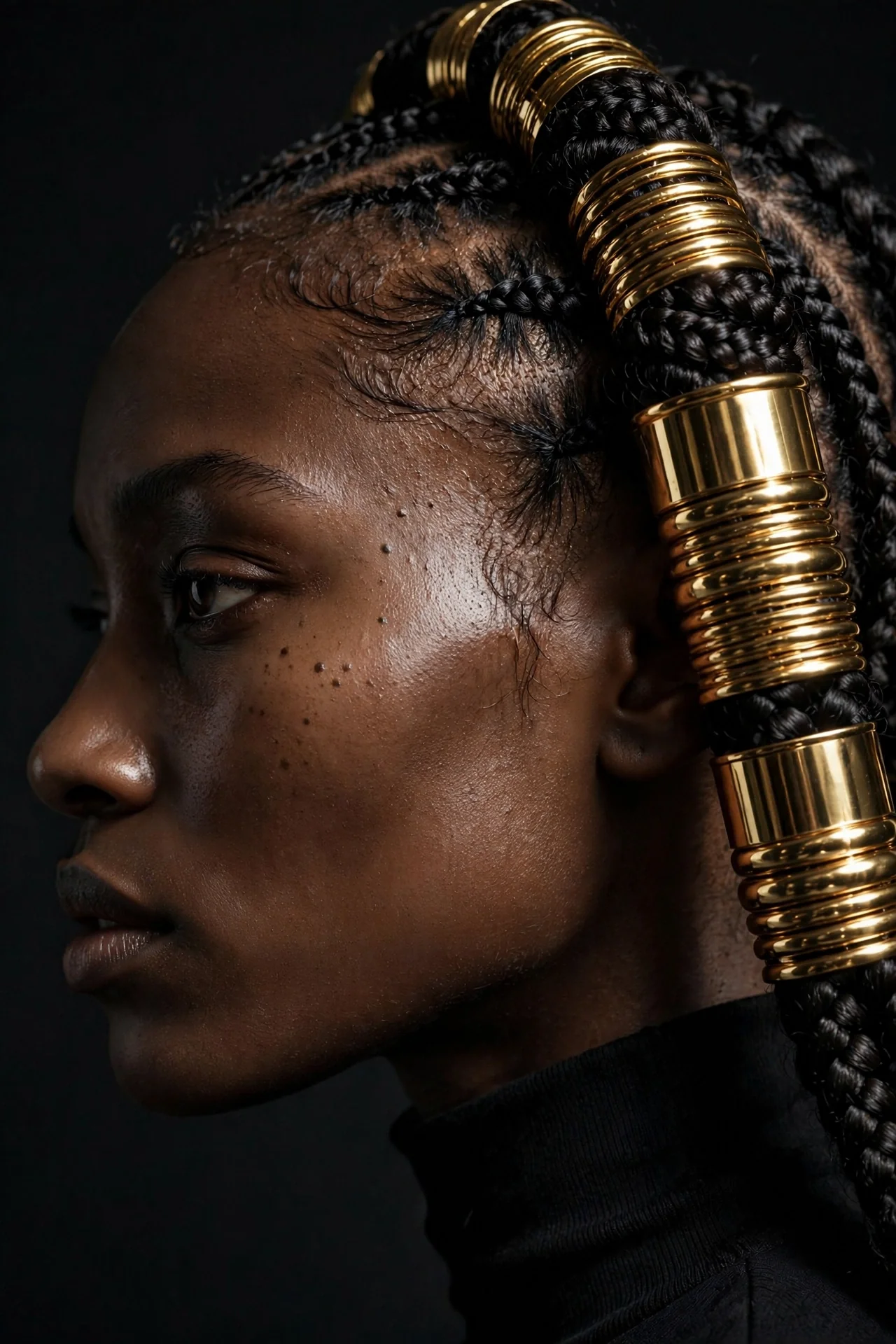
Fulani Braids with Gold Cuffs and Rings
Metal cuffs slid onto select braids give the whole style a polished, jewelry-like finish that reads expensive without much extra effort.
Gold and brass cuffs suit warm skin tones, while silver ones look sharp against cooler undertones. Cluster three or four cuffs on a single braid near your temple instead of scattering them evenly, which creates a focal point. They also weigh less than heavy beads, making them a smart choice if your hairline is on the delicate side.
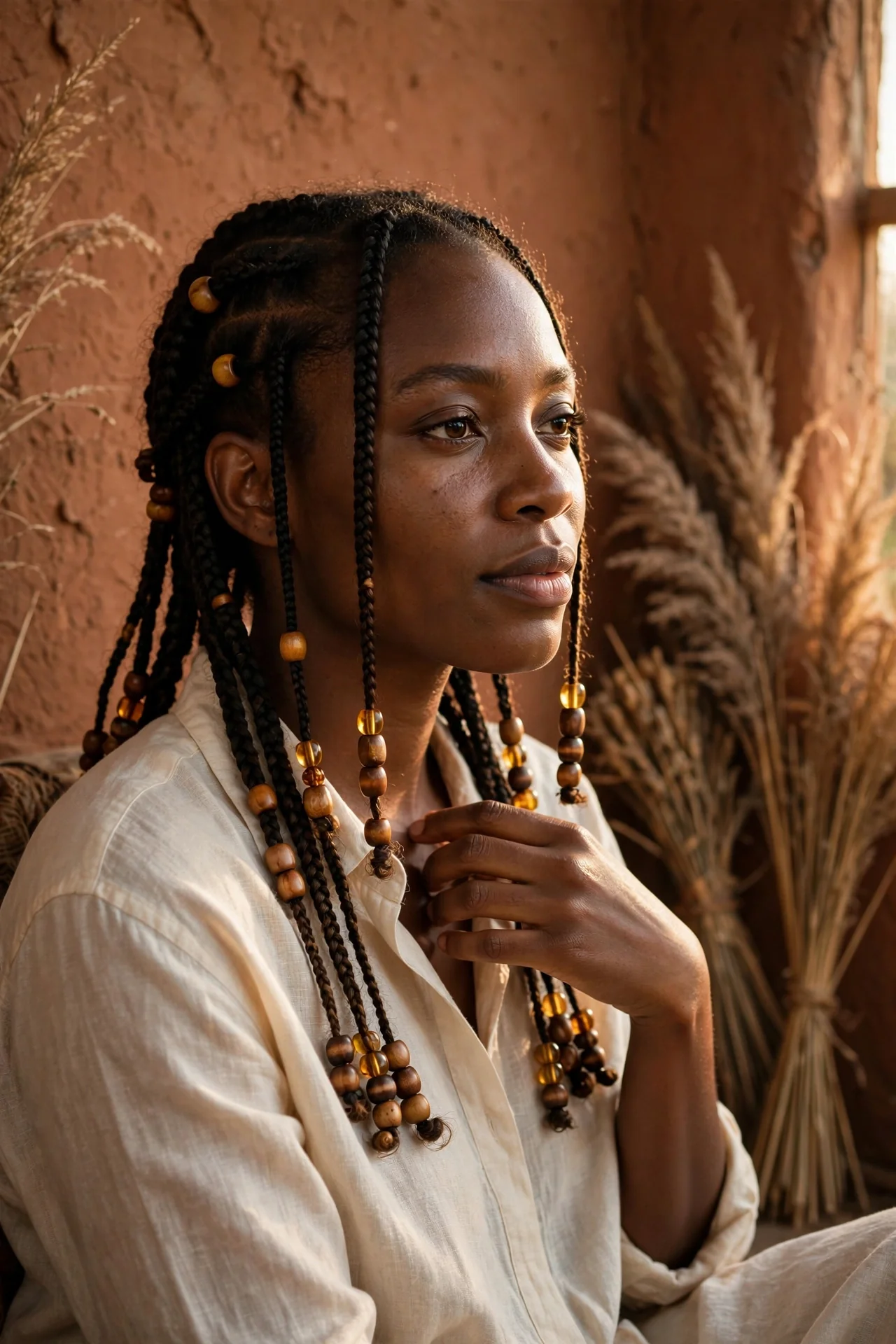
Beaded Fulani Braids with Wooden and Amber Accents
Wooden and amber beads threaded through the front sections deliver an earthy, grounded finish that photographs incredibly well in natural light.
Amber historically signified significant family wealth in Fulani communities, and the warm honey colour still flatters almost every complexion. Wooden beads bring texture without shine. Keep the beading concentrated on the face-framing braids and leave the back sections plain, otherwise the style starts feeling heavy both visually and physically.
Looped Temple Braids
Braids that curve and loop near the temples rather than hanging straight create the rounded silhouette seen in many traditional Fulani portraits.
In some communities, temple loops carried real meaning about a woman’s sub-clan. Today they function mostly as shape, softening a square jaw and adding width where you want it. Two loops on each side is plenty. Pin them with small decorative pins that match your accessories and the whole thing looks intentional rather than accidental.
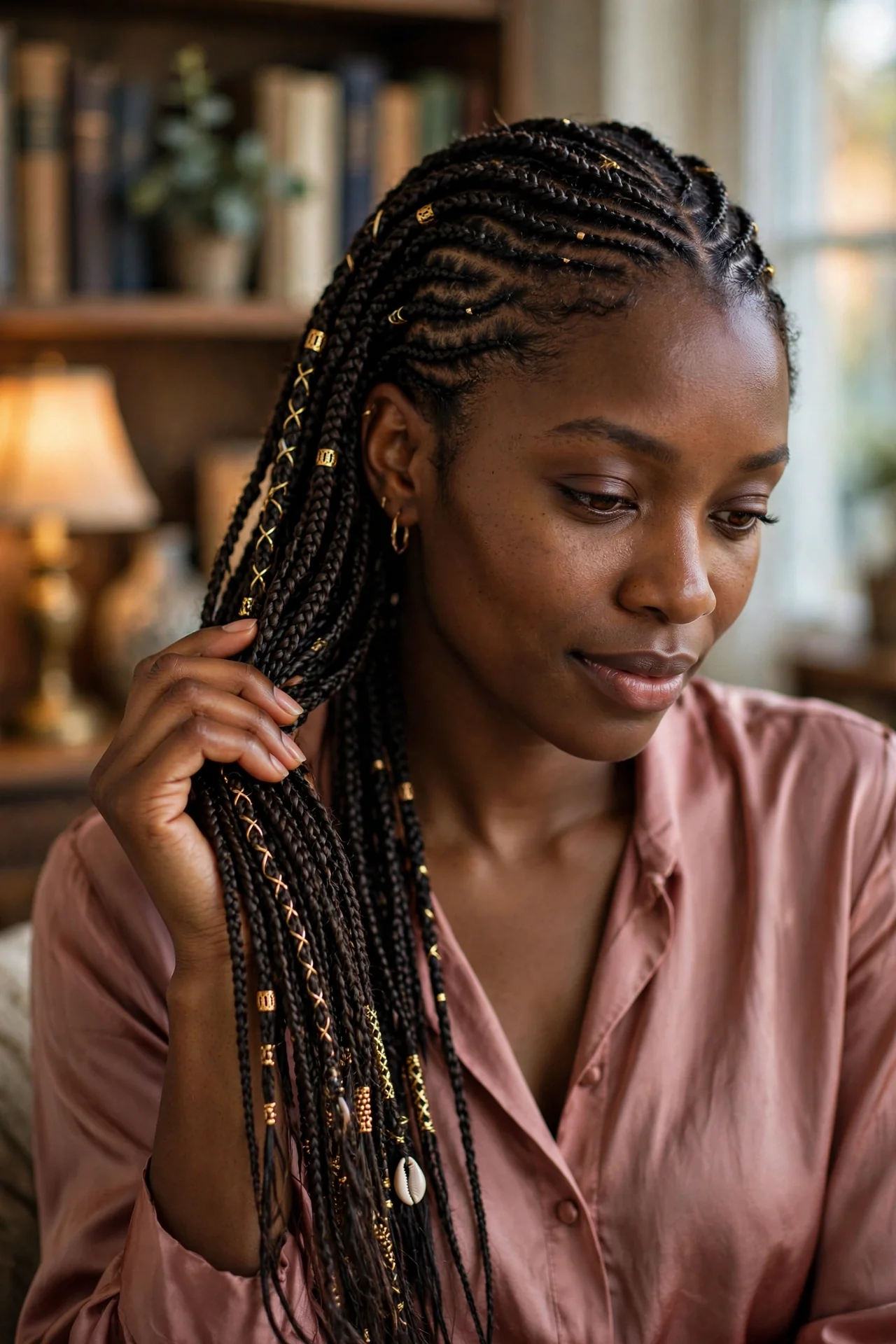
Modern Fulani Braid Styles Everyone Is Booking in 2026
Contemporary versions keep the core structure and swap out everything else. Colour, texture, thickness, parting. None of these existed in the traditional form, and all of them are currently everywhere.
Boho Fulani Braids with Curly Ends
Loose, wavy human hair woven between the braids gives you a soft, lived-in finish that has genuinely taken over social media.
Romantic without being fussy, this variation adds volume while keeping the weight manageable. The trade off is daily upkeep, since those loose curls tangle and need a mousse or light curl cream to stay defined. Anyone unwilling to spend five minutes each morning detangling should probably choose something else. For everyone else, it’s the most requested style in most braiding salons right now.

Knotless Fulani Braids
Starting each braid with your own natural hair before feeding in extensions removes the tight knot at the base, which means significantly less scalp tension.
Comfort is the whole selling point. Knotless installs sit flatter against the head, they move more naturally, and you can put them up on day one without wincing. They typically take slightly longer to braid and cost a bit more. Worth every rupee if you’ve ever had a set of braids keep you awake the first night.
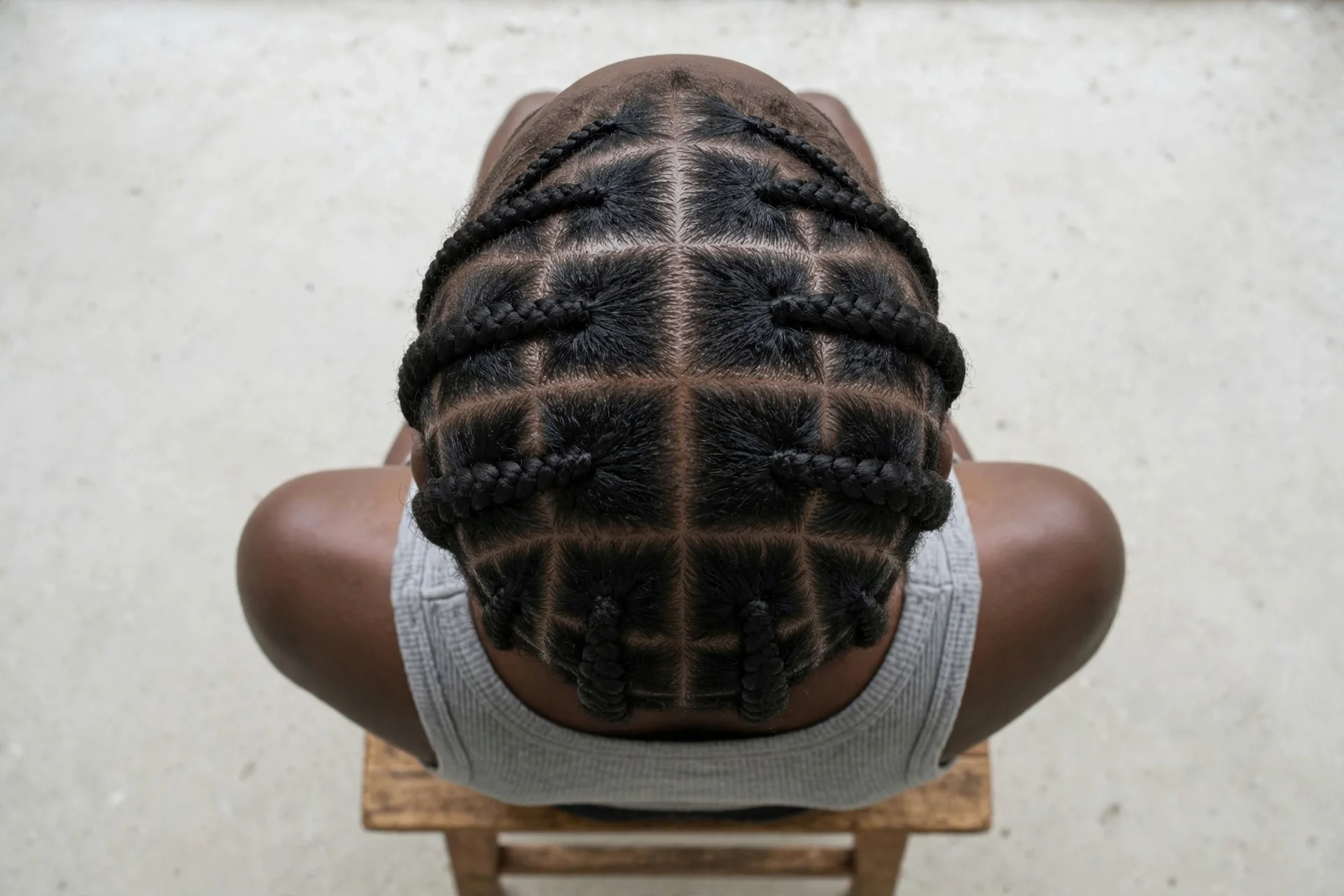
Jumbo Fulani Braids
Thicker sections mean a bolder statement and a much shorter install time, sometimes finishing in two to three hours instead of six.
Chunky braids read confident and modern, especially when paired with a few oversized cuffs. Fewer parts also mean less scalp exposure, which some people prefer. Just be aware that jumbo braids carry more weight per section, so a knotless base is genuinely worth requesting here rather than treating it as optional.
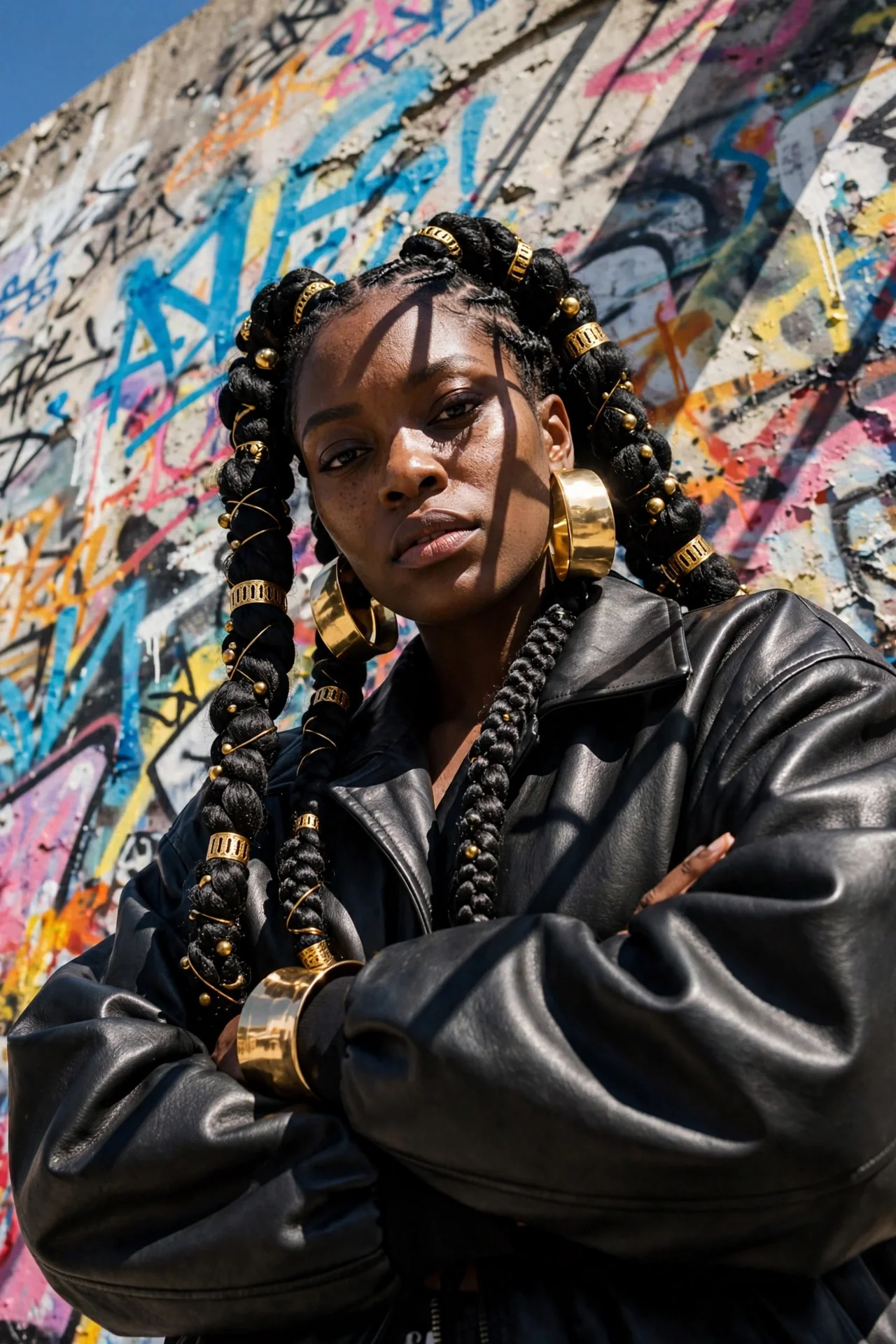
Micro Fulani Braids
Tiny braids across the entire head produce a detailed, intricate finish that holds its shape for eight weeks or longer.
Time is the cost. Expect a full day in the chair, sometimes two sessions. What you get in exchange is versatility, because micro braids can be swept into any updo, ponytail or half-up shape without looking bulky. Take them down before week eight though, since new growth at the roots makes removal genuinely painful past that point.
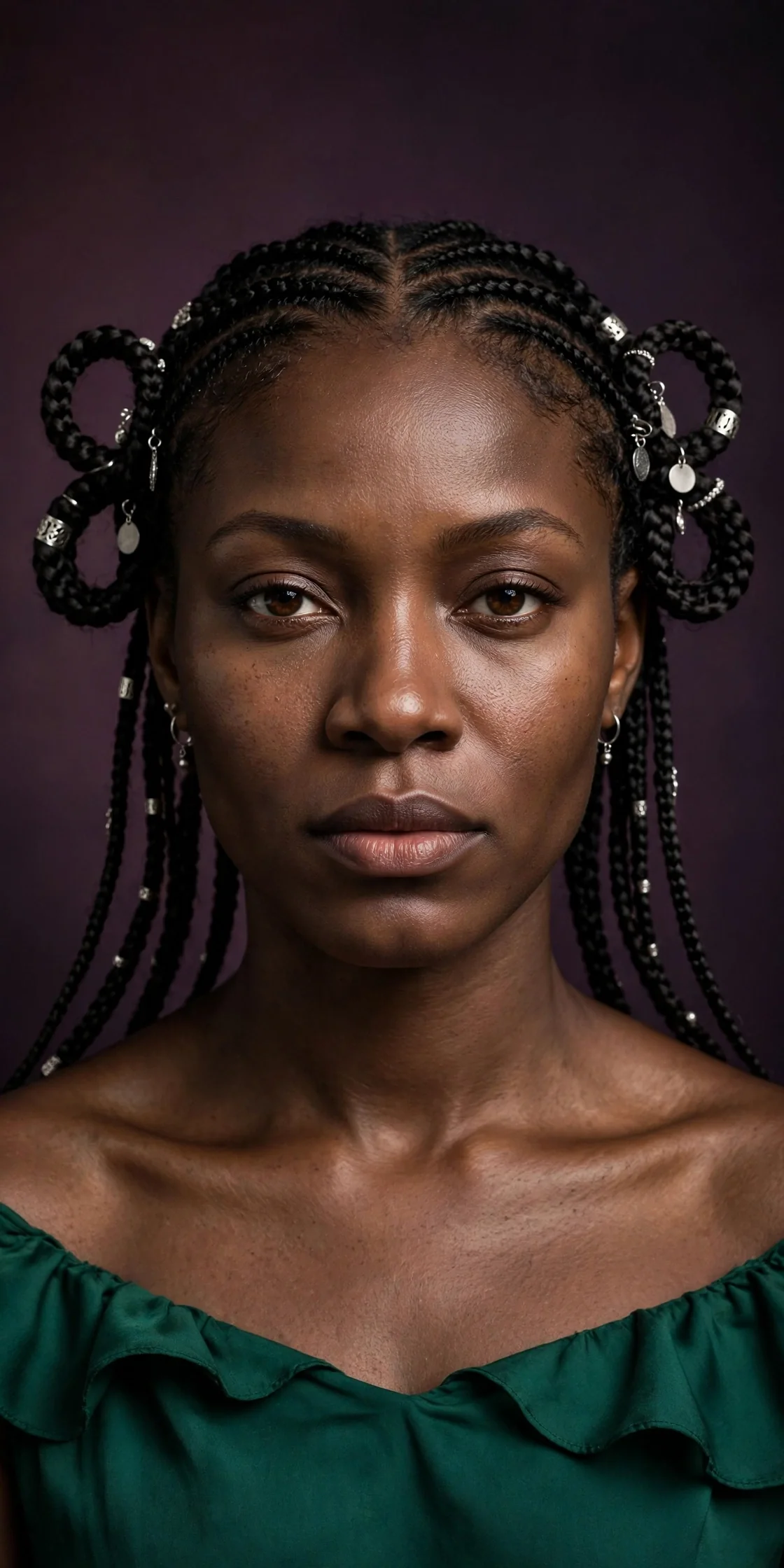
Asymmetrical Side-Swept Fulani Braids
Cornrows curving toward one side of the head instead of a symmetrical centre part give the style a modern, slightly editorial edge.
Professional settings suit this variation surprisingly well, since it looks deliberate and refined rather than decorative. The deep side sweep also adds visual height, flattering rounder face shapes. Ask your braider for a curved part line rather than a straight diagonal, as the softer arc frames the face much better.

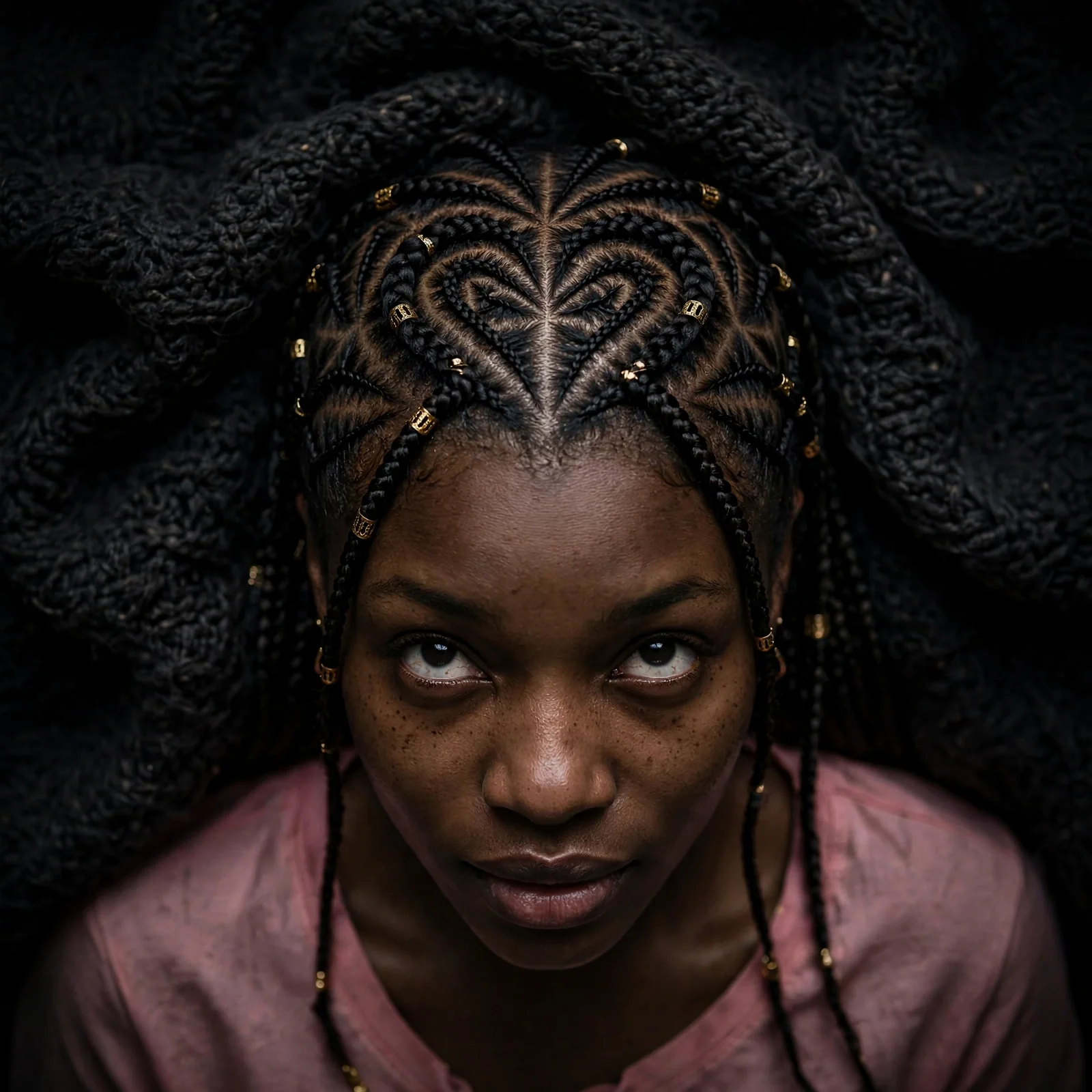
Heart-Shaped Cornrow Pattern
Cornrows braided into a heart outline across the crown turn the scalp work itself into the main event.
Skill matters here. Not every braider does pattern work, so look through portfolios before booking. Once installed, keep accessories minimal so the design stays visible. Photographing this style from above or slightly behind shows off the pattern in a way front-facing shots never manage, something people usually figure out too late.
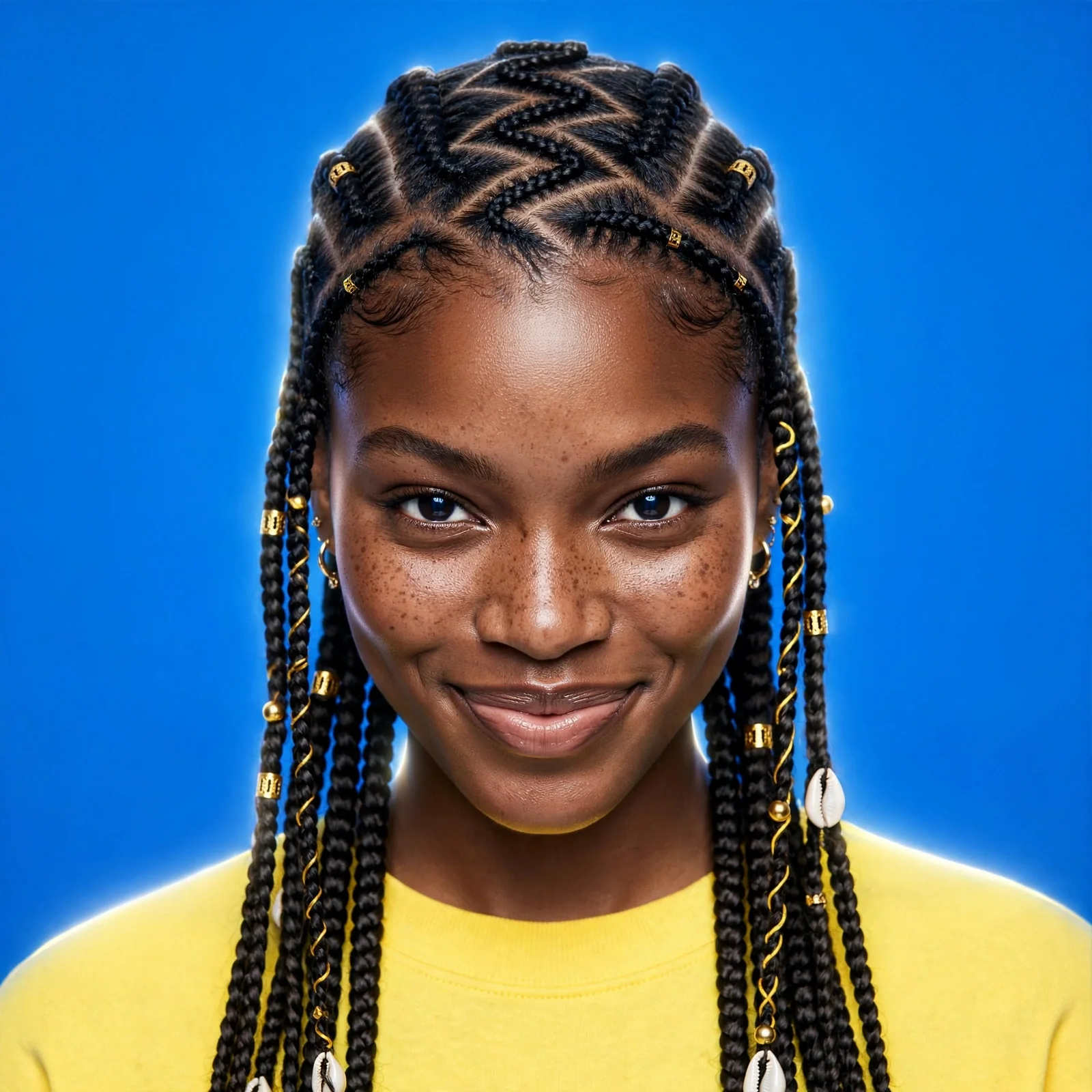
Zigzag Part Fulani Braids
Replacing straight parts with sharp zigzag lines adds graphic energy and disguises an uneven hairline beautifully.
Geometric parting has become a defining feature of contemporary braid work. Zigzags also distribute tension more evenly than straight rows, which is a small but real benefit for your scalp. Combine them with a straight centre cornrow so the traditional Fulani structure still comes through clearly underneath all that pattern.
Fulani Braids Styled Up: Ponytails, Buns and Crowns
The best thing about any braided install is what you can do with it afterwards. These five looks take about ten minutes each.
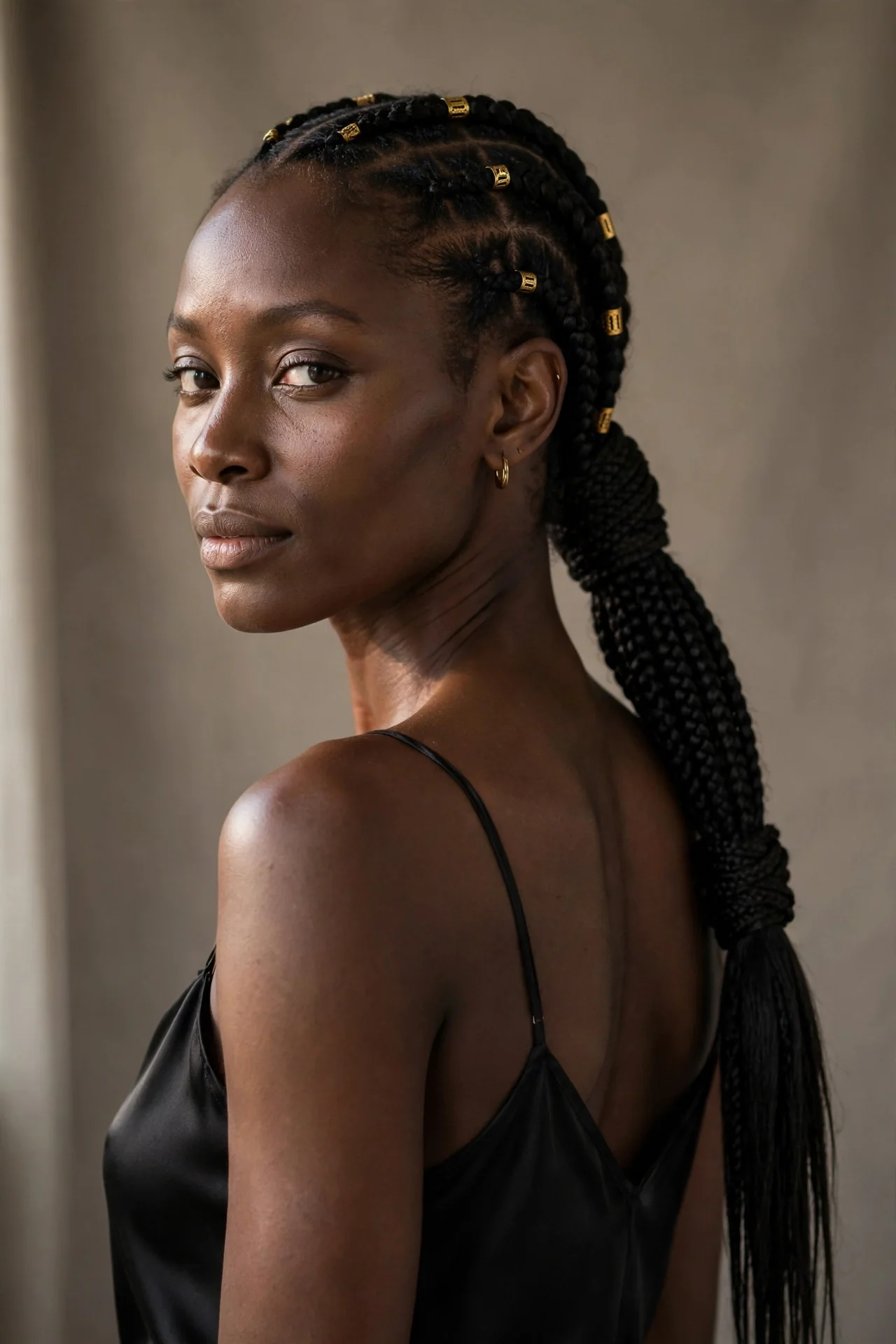
Fulani Braided Ponytail
Gathering everything into a high or low ponytail keeps the cornrow pattern fully visible while getting the length off your neck.
Wrap one braid around the base of the ponytail to hide the elastic, a small trick that makes the whole thing look salon finished. Avoid pulling too tight at the temples, since repeated tension in that spot is one of the most common causes of hairline thinning among frequent braid wearers.
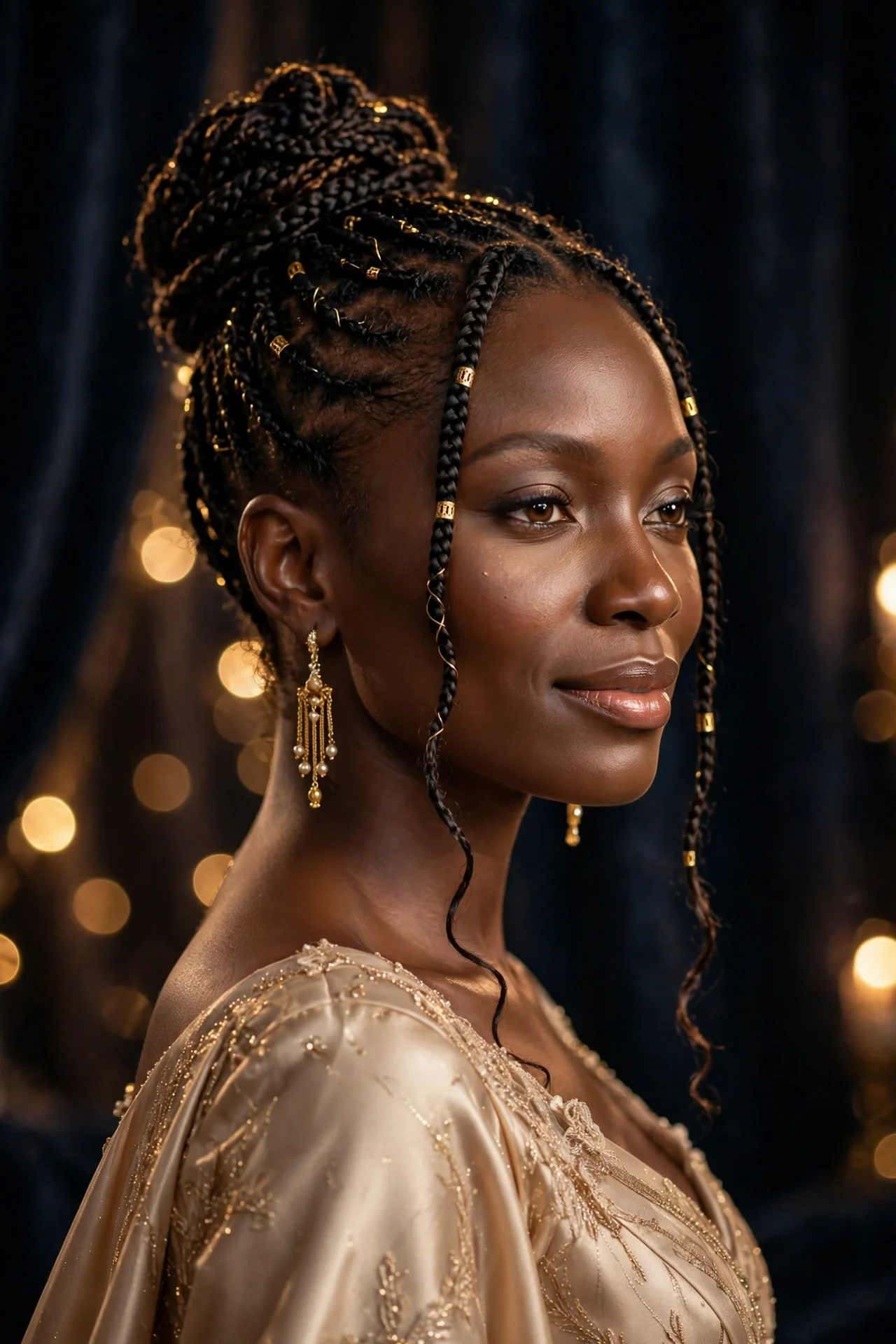
High Bun with Fulani Cornrows
Twisting a gathered ponytail into a bun at the crown creates a sleek, elongating shape that works for weddings, offices and everything in between.
Height is your friend here. Positioning the bun higher on the head lifts the whole face. Secure it with a few large bobby pins rather than wrapping an elastic multiple times, which reduces strain. Leave two face-framing braids loose at the front and the look softens instantly.
Half-Up Half-Down Fulani Braids
Pulling the top half back while leaving the rest flowing gives you both structure and movement in one style.
Casual enough for daytime, dressed up enough for dinner. The half-up section showcases your cornrow pattern while the loose braids below add length. This is also the gentlest option for your scalp, since only part of the hair is being held under tension at any given time.

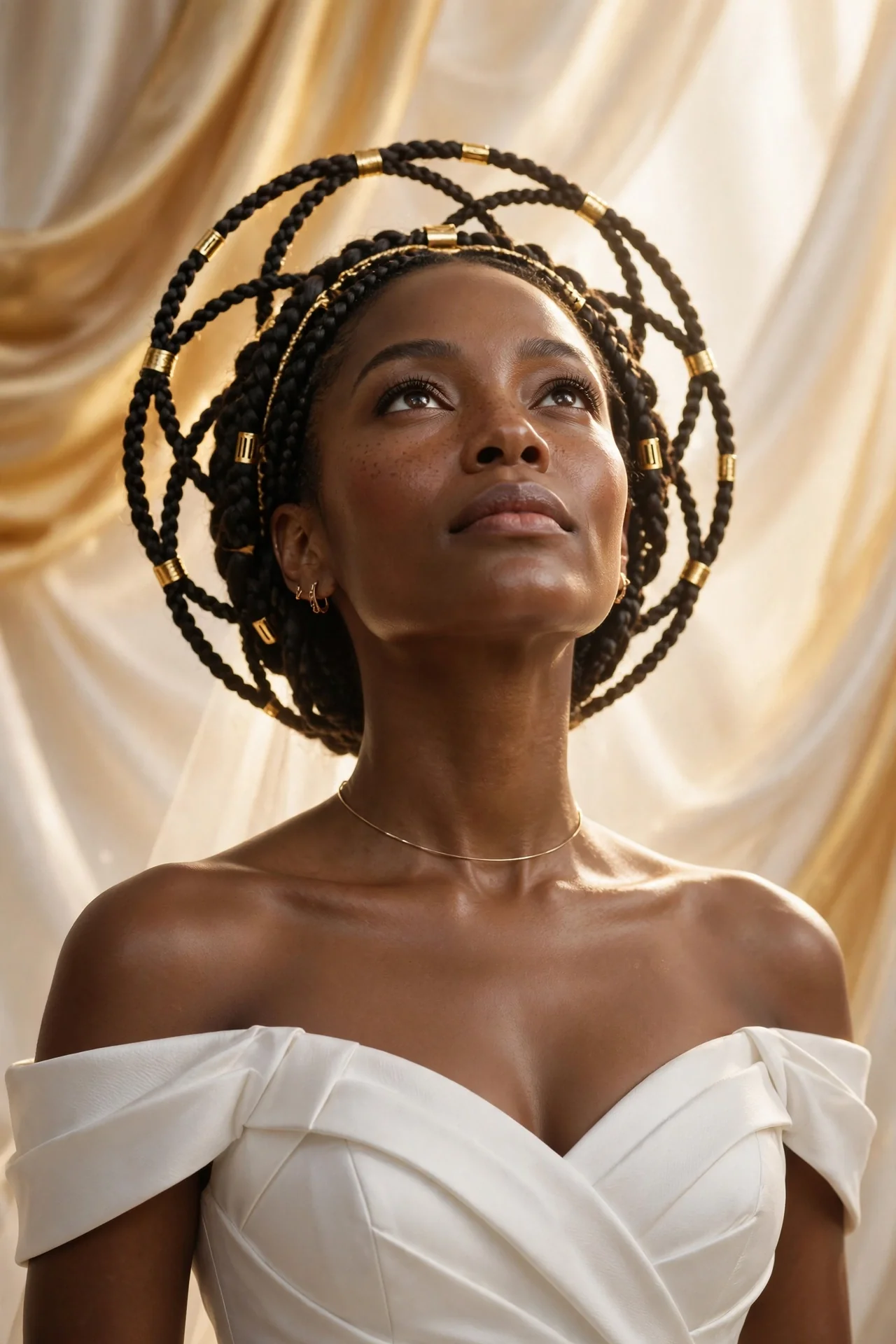
Fulani Braided Crown
Wrapping braids around the head in a halo produces a regal, ceremonial finish that suits weddings and formal events perfectly.
Longer braids work better, since you need enough length to circle the head and tuck. Pin every four inches or so to keep the crown from slipping. Adding a few gold cuffs along the wrapped section catches light from every angle, and the effect in photographs is genuinely stunning.
Fulani Space Buns
Two buns positioned high on either side bring a playful, youthful energy while keeping the front cornrow pattern on display.
Festivals, concerts, weekend trips. That’s the natural home for this one. Divide the hair down the existing centre part, gather each side, then coil and pin. Letting a few thin braids escape around the face keeps it from looking too styled, which is exactly the point.

Colour-Focused Fulani Braid Ideas
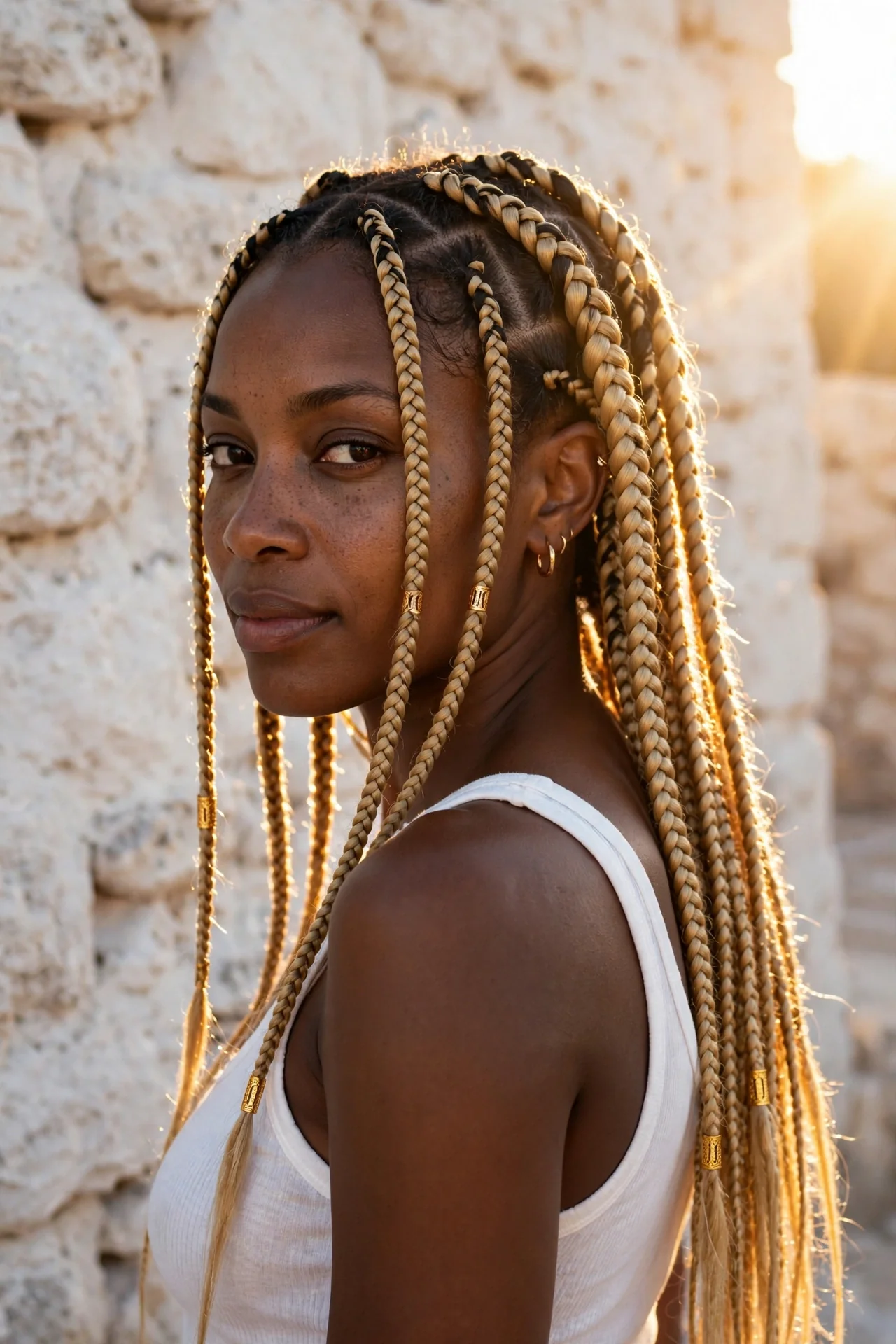
Honey Blonde Fulani Braids
Warm blonde extensions against dark roots create striking contrast and brighten the complexion noticeably. Blonde reads especially well on beaded styles, since wooden and amber accessories blend into the same warm family. Mixing two blonde shades rather than using one flat colour produces far more dimension.
Colour 27 and 613 blended together is the combination most braiders reach for, and the result looks sun-lightened rather than obviously synthetic.
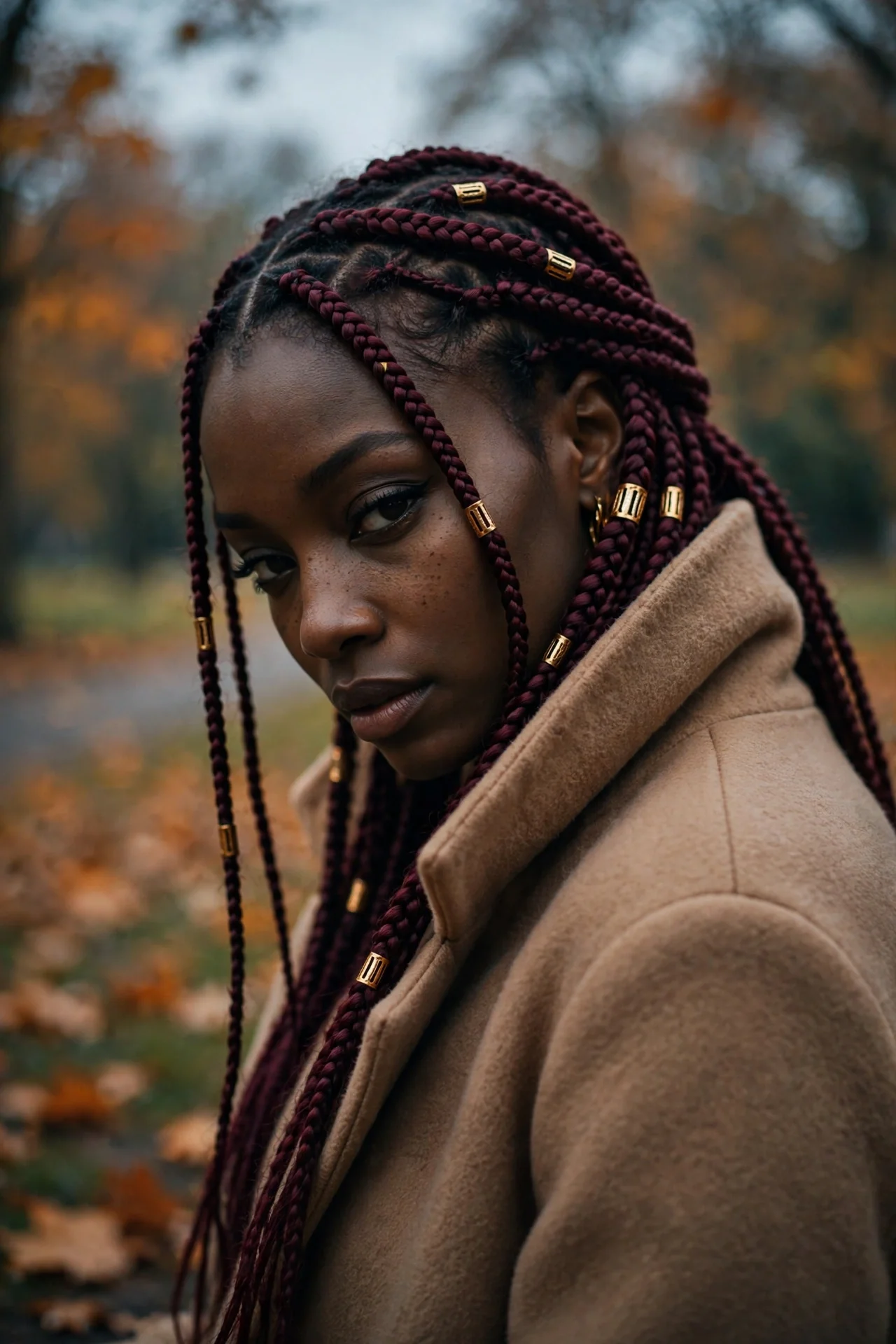
Burgundy Fulani Braids
Deep wine and burgundy tones deliver richness without the maintenance a lighter colour demands. Autumn and winter are the obvious seasons, though plenty of people wear burgundy year round now. The colour flatters deeper skin tones exceptionally well and pairs beautifully with gold accessories.
Since burgundy extensions can transfer onto light clothing when new, rinse them in cool water with a splash of vinegar before installation.
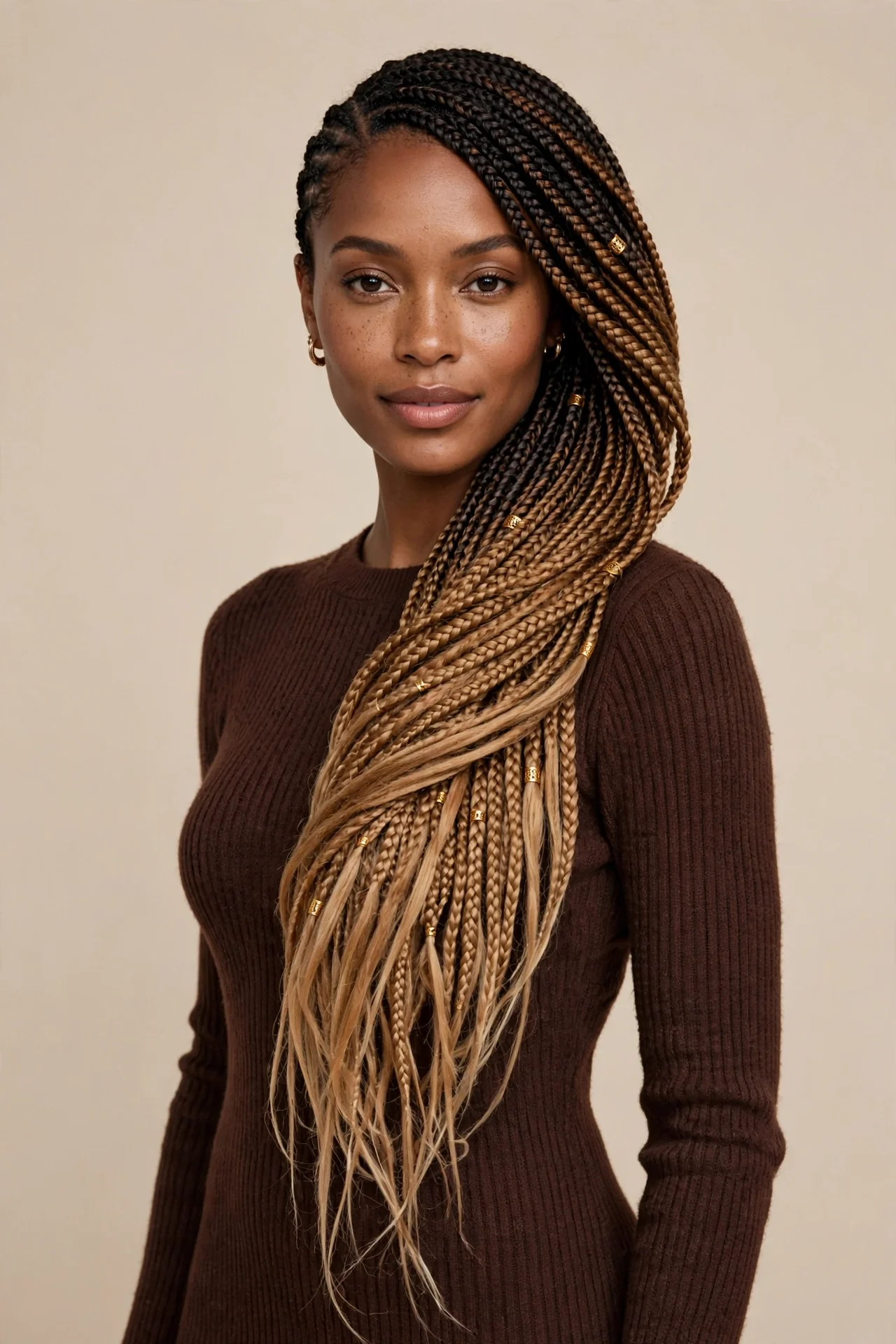
Caramel Ombre Fulani Braids
Gradual colour transition from dark roots into caramel or light brown ends gives you dimension that a solid colour simply can’t.
Ombre works particularly well on longer installs, where there’s enough length for the gradient to develop properly. Boho versions look incredible in ombre, because the loose curly pieces catch the lighter tones and create movement. Waist-length ombre sets do push your cost toward the higher end though.

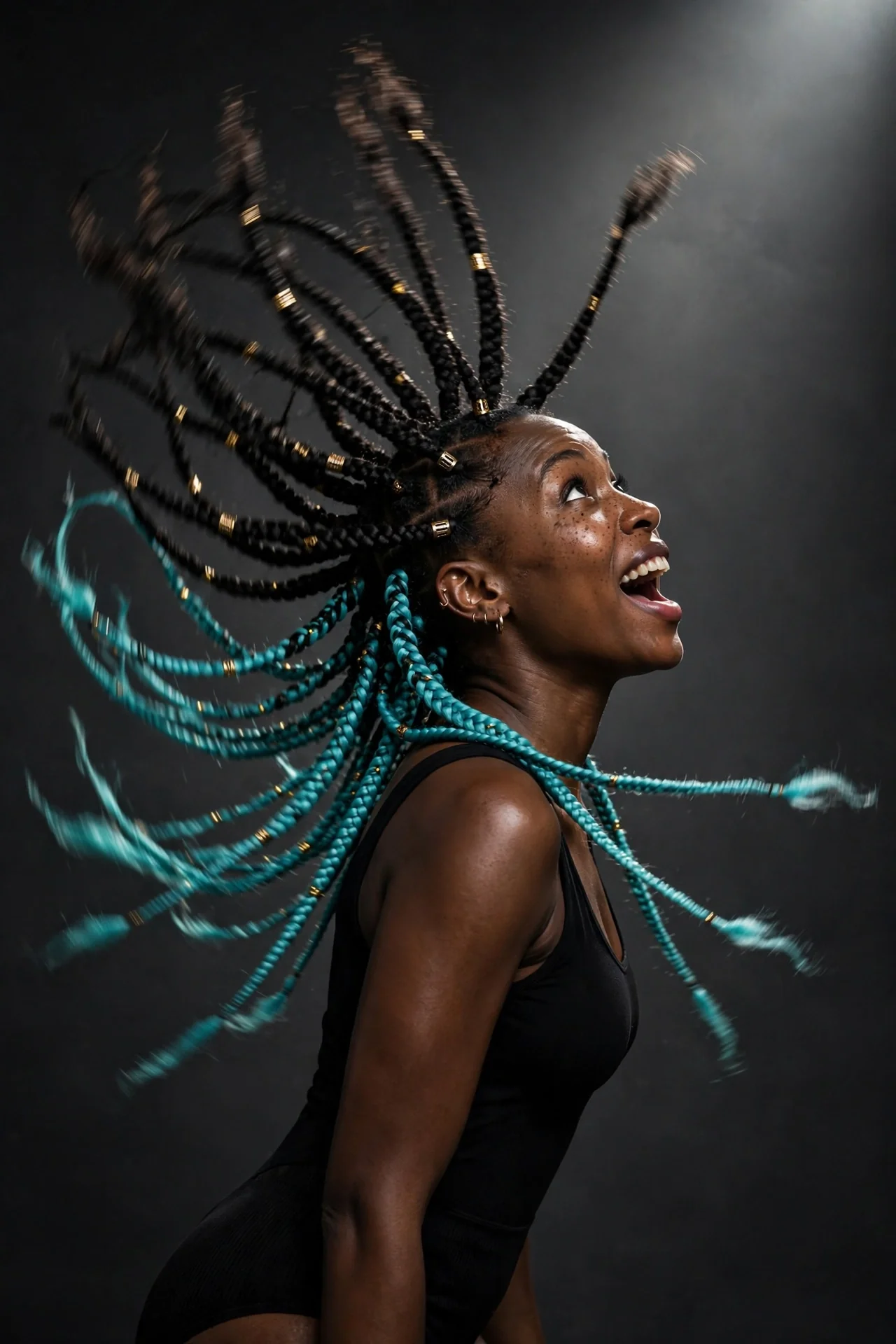
Peekaboo Colour Fulani Braids
Hiding a bright colour underneath the top layer means it only appears when you move, flip or tie your hair up. Fun without being permanent. Copper, teal, magenta and platinum all work as the hidden layer.
Corporate environments rarely notice it when your hair is down, which makes this the sneaky favourite for anyone with a strict workplace. Ask for the colour to start at the nape and midsection rather than the crown.
Shorter and Lower-Commitment Fulani Options
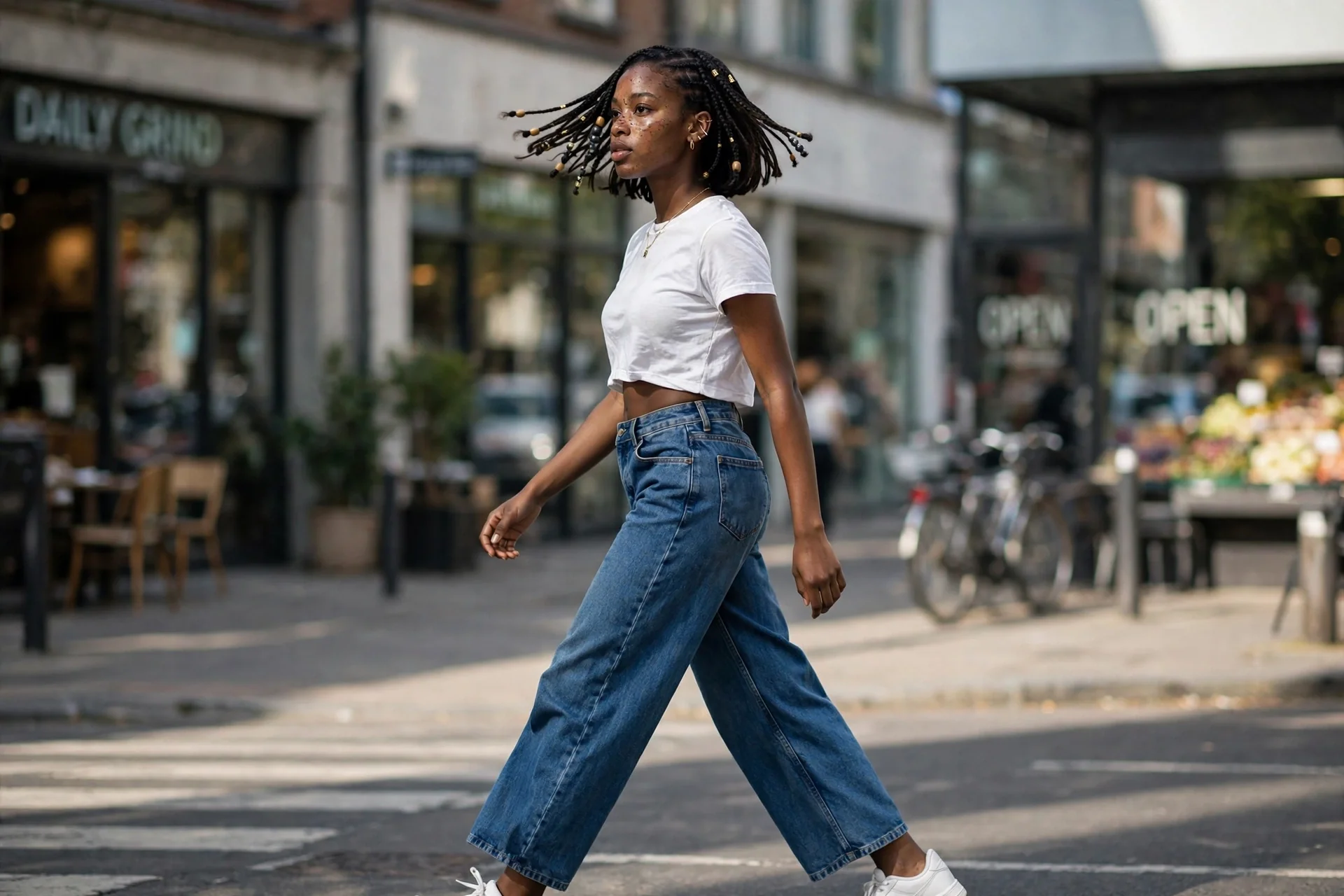
Bob-Length Fulani Braids
Cutting the install to chin or shoulder length reduces weight dramatically while keeping every bit of the pattern intact.
Less hanging length means less pull on your follicles, which matters more than most people realise. Bob-length Fulani braids also install faster and cost noticeably less. They swing when you walk, they suit heart and oval faces particularly well, and they feel light enough to sleep in comfortably from night one.
Fulani Braids on Natural Hair Without Extensions
Braiding your own hair into the Fulani pattern with no added length gives you the cultural structure and none of the weight.
Anyone with shoulder-length natural hair can pull this off. Zero tension from extensions means your edges get a genuine rest, and the install takes maybe ninety minutes. Add small beads to the front braids for definition. This is also the most budget-friendly option by a wide margin, costing whatever your beads cost and nothing more.
What to Know Before You Book Your Appointment
Most style roundups stop at the photos. These are the practical details that decide whether your braids feel great at week six or come out early in frustration.
Cost, Install Time and How Long They Actually Last
| Style Variation | Install Time | Typical Cost (USD) | Lasts |
|---|---|---|---|
| Jumbo Fulani | 2 to 3 hours | $100 to $180 | 4 to 6 weeks |
| Classic mid-back | 4 to 5 hours | $150 to $300 | 4 to 8 weeks |
| Micro Fulani | 6 to 9 hours | $250 to $450 | 6 to 8 weeks |
| Boho with curls | 5 to 7 hours | $200 to $400 | 4 to 6 weeks |
| Bob length | 2 to 4 hours | $90 to $180 | 4 to 6 weeks |
| Natural hair, no extensions | 1 to 2 hours | Cost of beads only | 2 to 3 weeks |
Prices swing based on your city, your braider’s experience and how much beadwork you want. Major metro salons frequently charge more, and waist-length detailed sets can climb past $450. Doing it yourself costs roughly $15 to $40 in supplies, though the back sections are genuinely difficult without a second pair of hands.
Tension Is the Thing Nobody Warns You About Early Enough
Braids should never hurt. If your scalp feels sore or tender beyond the first day, they were installed too tight, and that’s worth addressing immediately rather than hoping it settles.
Persistent tension at the hairline leads to traction alopecia, a form of hair loss that becomes permanent if it’s repeated over years. Speak up during the appointment. A good braider will loosen the section without any attitude about it. Resting your hair for two to four weeks between installs also gives your follicles genuine recovery time, and skipping that rest period is where most long-term damage begins.
Washing Braids Without Wrecking Them
Cleanse every one to two weeks using a diluted shampoo in an applicator bottle, aimed directly at the scalp rather than scrubbing the braids themselves.
Scrubbing creates frizz that never fully recovers. Rinse thoroughly, squeeze out excess water with a microfibre towel, then let them air dry completely before covering your hair, because damp braids trapped under a scarf develop a smell within a day. Follow with a lightweight scalp oil, applied along the parts with the nozzle, not slathered over everything.
What the Beads and Shells Actually Mean
| Ornament | Traditional Meaning |
|---|---|
| Cowrie shells | Wealth, fertility and blessing |
| Amber beads | Luck, protection and family wealth |
| Coral beads | Fertility and womanhood |
| Blue glass beads | Ancestry, water spirits and migration |
| Silver coins | Specific social rank |
Understanding this context isn’t required to wear the style, but it does change how you approach it. These ornaments functioned as a visual language, communicating things about the wearer that words didn’t need to.
Wearing Fulani Braids Respectfully
Appreciation and appropriation get debated constantly around this style, and the distinction usually comes down to two things: naming and crediting.
Calling them Fulani braids rather than “boxer braids” or “Bo braids” acknowledges where they came from. For years the style circulated under names that erased its origin entirely, and correcting that matters. Supporting Black-owned braiding salons rather than chain establishments also makes a tangible difference. Wear the style, enjoy it, and know whose creativity you’re borrowing from.
Night time Care That Extends the Life of Your Install
Wrapping your braids in a satin scarf or bonnet every single night does more to preserve them than any product you can buy.
Cotton pillowcases pull moisture out and rough up the braid surface, which is what causes that fuzzy halo by week two. Longer installs can be loosely gathered before wrapping to prevent tangling. This one habit, done consistently, is the difference between braids that look fresh at week six and braids that look tired by week three.
Final Thoughts
Fulani braids sit in a rare category. They protect your natural hair, they carry genuine cultural depth, and they look extraordinary from every angle. Whether you go traditional with cowrie shells and a clean centre cornrow, or lean modern with boho curls and caramel ombre, the structure underneath connects you to a styling tradition that’s been refined across generations.
Choose your variation based on your actual lifestyle rather than the most impressive photo you’ve seen. Book with a braider whose portfolio shows the pattern work you want. Speak up if anything feels too tight. Protect your hair at night, cleanse your scalp properly, and give your edges a rest between installs.
Save the styles that caught your eye and take them straight into your next consultation. Your braider will thank you for the reference photos.
Frequently Asked Questions
How long do Fulani braids last?
Most sets stay fresh for four to eight weeks depending on your growth rate and care routine. A touch-up around week four or five can refresh the hairline and edges. Removing them past week eight makes takedown harder and stresses your roots unnecessarily.
How much do Fulani braids cost?
Expect roughly $100 to $350 for a full set, with major cities and waist-length styles pushing past $450. Micro braids and detailed beadwork raise the price because they take longer. Doing them yourself costs about $15 to $40 in supplies.
Can you get Fulani braids without extensions?
Yes, absolutely. Shoulder-length natural hair holds the pattern well, and skipping extensions removes all the added weight and tension. The install takes around ninety minutes and lasts two to three weeks. Small beads on the front braids keep the traditional look intact.
What is the difference between Fulani braids and cornrows?
Cornrows describe any braid plaited flat against the scalp. Fulani braids are a specific pattern using cornrows, defined by a centre braid running front to back, thinner face-framing braids, and beads or cuffs as the finishing detail.