24 Edgy Choppy Pixie Haircuts for Women Over 50 That Look Modern
Edgy does not have to mean loud. The best edgy choppy pixie haircuts for women over 50 are built on shape, texture, and a cut that actually suits your hair. They are not about pretending to be twenty again.
A good choppy pixie gives you movement, quick mornings, and a clean frame for your face. A bad one gives you a stiff helmet and three months of regret. The difference usually hides in the small details: where the layers start, how short the sides go, and how the fringe sits.
Below you will find 24 styles, plus real talk about upkeep and drawbacks. Nobody should walk into a salon with only the good news.
What Makes a Pixie “Choppy” and “Edgy”?
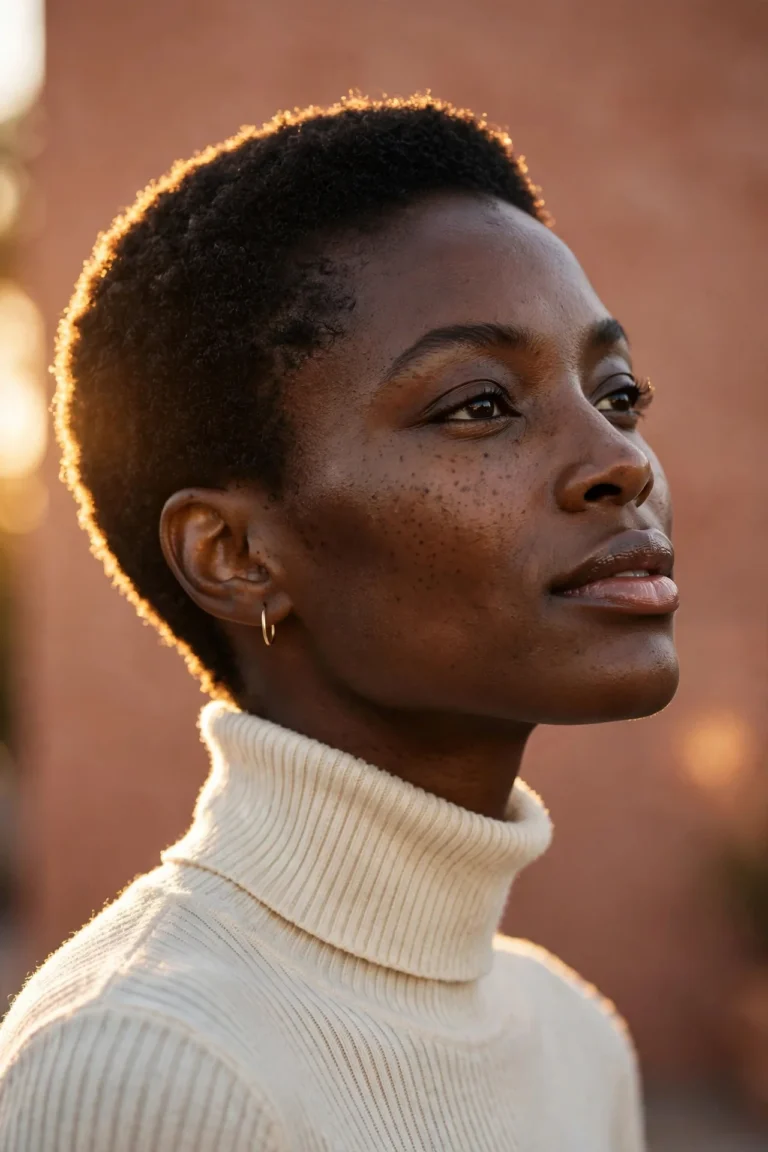
Choppy means the layers are uneven on purpose. Instead of one smooth line, the ends sit at different lengths. That is what gives the hair a light, piecey, lived-in look.
Edgy comes from one extra detail. Maybe it is a sharp fringe. Maybe it is a short undercut, an uneven shape, or a bold color. You usually need only one of these, not all four.
There are two practical reasons many women over 50 love this cut. Texture can make fine hair look fuller, and short hair is quick to style once you learn your routine.
One honest note. A haircut will not make you look younger. It can make you look fresh, polished, and sure of yourself, which is a better goal anyway.
How to Pick the Right Choppy Pixie for You
Before you save a photo, run through these five checks.
- Your hair type. Fine hair loves soft, light layers. Thick hair can carry heavier texture and shorter sides. Wavy and curly hair looks best when the cut follows the natural pattern. If your hair is coily, look for a stylist who is comfortable cutting your texture, often dry or in its natural shape.
- Gray hair. Gray strands can feel coarser or drier for some people. A good cut plus a little shine product makes a big difference.
- Your face shape. Round faces often look balanced with height on top and a side-swept fringe. Square faces soften with feathery edges. Heart and long faces tend to suit fringe. Oval faces are the easiest, and can wear almost anything.
- Your morning time. Be honest about it. If you have two minutes, skip the high-effort styles.
- Glasses. Check how the hair around your temples and ears sits next to the frames.
One more thing. Your hair will never look exactly like the photo. Bring two or three pictures and explain what you like in each, not only the picture itself.
Classic Edgy Choppy Pixies
Tapered Nape Choppy Pixie
Look at this cut from behind and you will see why it works. The hair at the neckline is cut short and softly tapered, so the back looks tidy. The top stays longer and textured, which keeps the whole shape from feeling too neat.
It is a good fit for fine to medium hair and for oval or heart-shaped faces. The taper also removes bulk at the neck, which helps in warm weather.
The catch is the grow-out. A tapered neckline gets fuzzy and shaggy within a few weeks, so plan a trim every four to six weeks. Say this to your stylist: “Taper the nape softly and keep the top choppy, not blunt.”

Razor-Cut Choppy Pixie
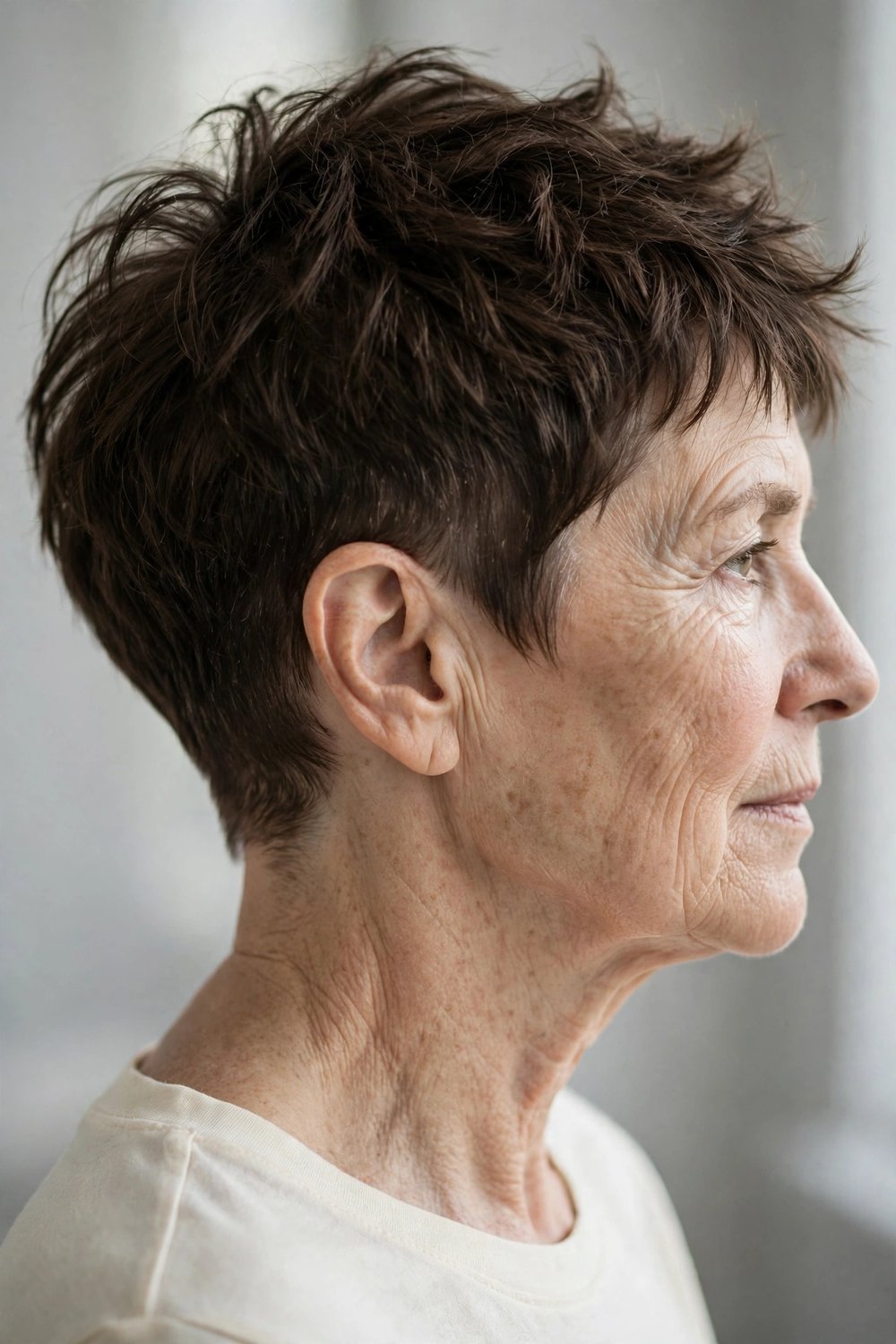
Some pixies look soft and airy, while others look heavy. A razor is often the reason for the airy kind. It thins and feathers the ends in a way that scissors cannot, so the hair looks light and a bit wispy.
This works well on fine to medium straight or wavy hair, and it needs minimal styling. Rough dry, add a little texture spray, done.
Here is the warning. Razor cutting can leave frizzy ends on hair that is dry, damaged, or very curly. If your hair is in rough shape, ask your stylist whether a razor is a good idea or whether point-cutting with scissors is safer.
Feathered Choppy Pixie
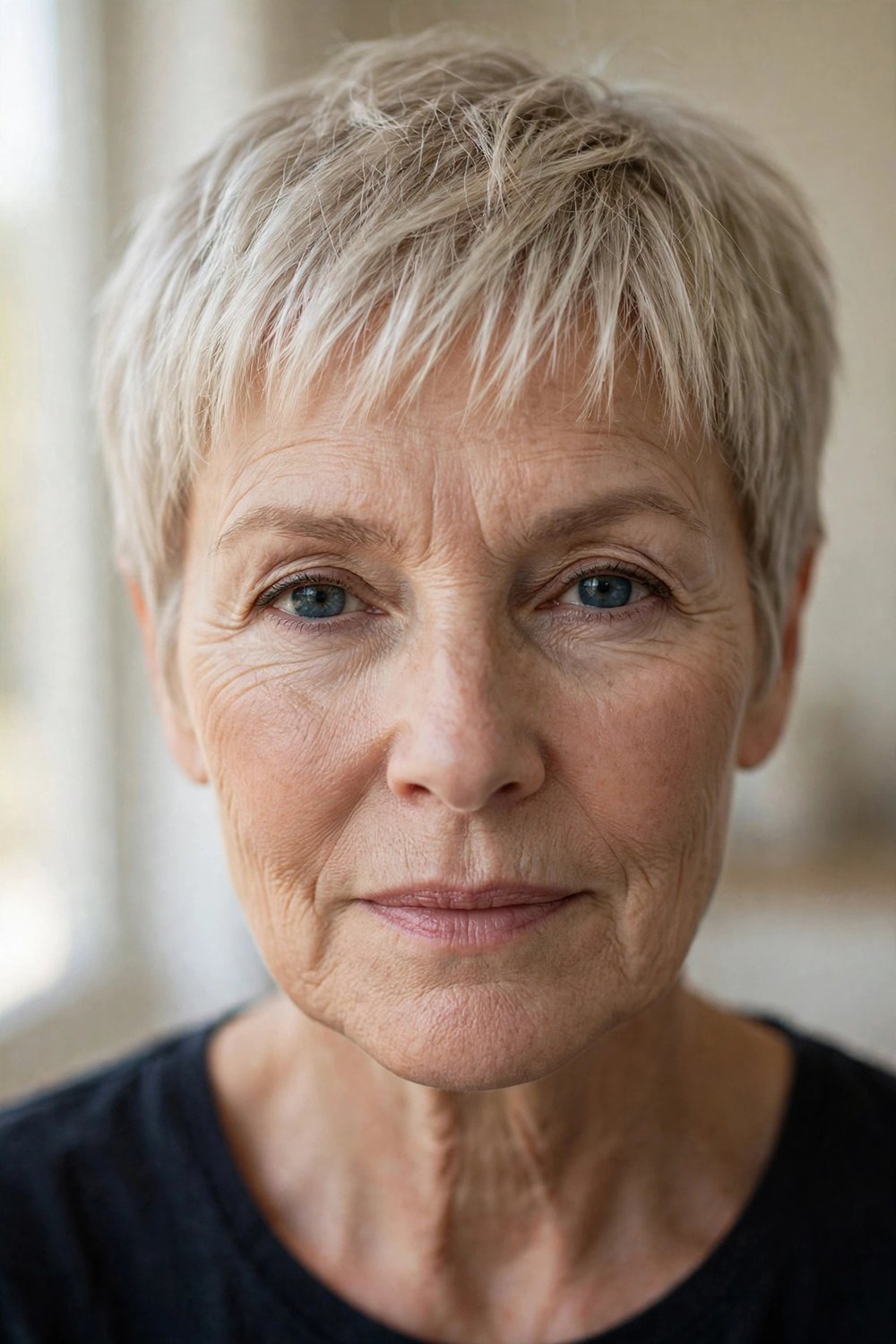
Soft layers sweep over the forehead and around the ears, and the ends are lightly choppy. It looks gentle, and the texture keeps it from turning sweet and plain.
This one suits fine hair that needs movement. It takes very little effort, and the shape forgives a skipped trim better than sharper cuts do.
The weakness is flatness. By mid-afternoon, fine hair can collapse. A little root-lift spray in the morning solves most of it. Ask your stylist for “feathered layers on top and short around the ears.”
Tousled Choppy Pixie
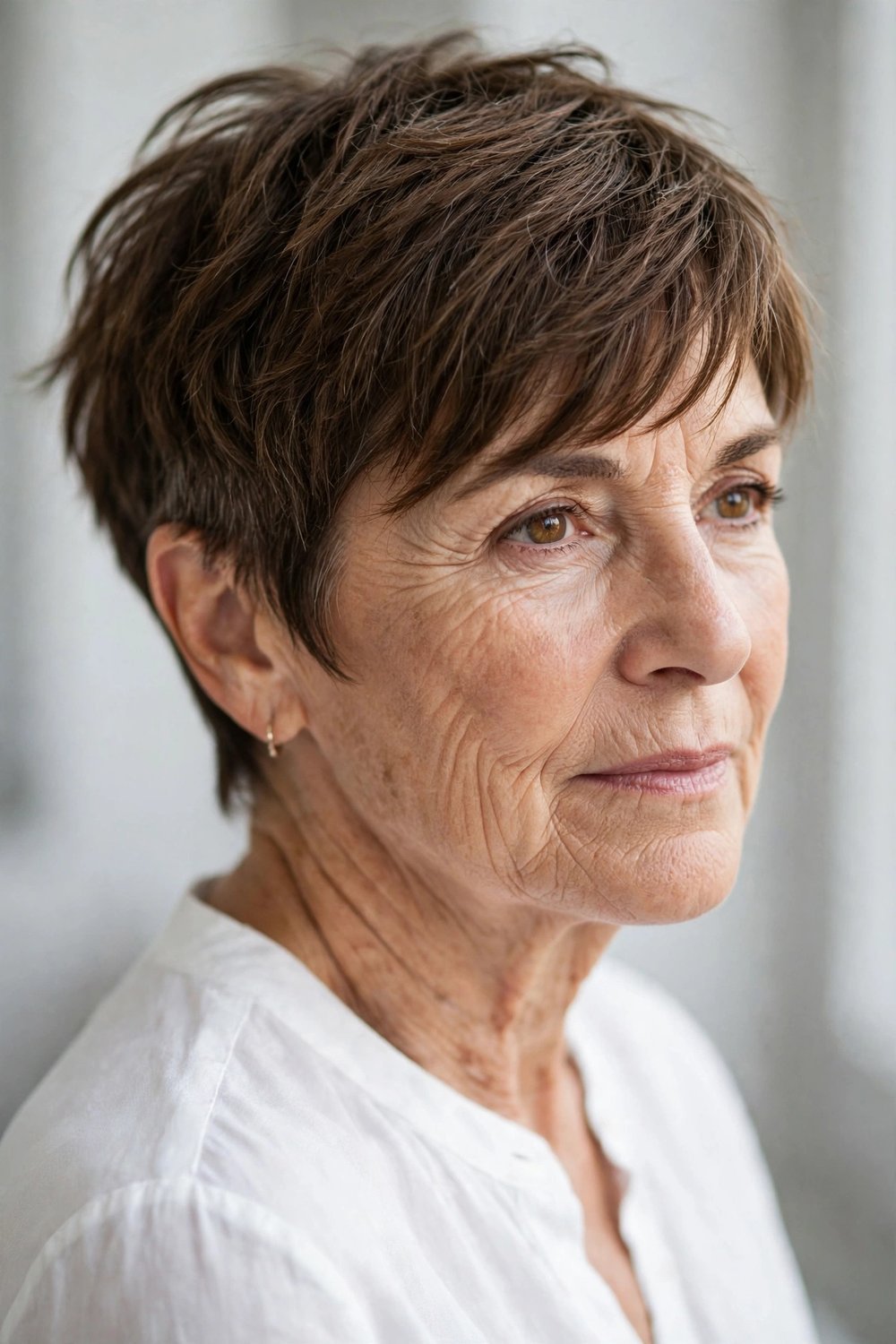
Picture hair that looks like you ran your fingers through it and walked out the door. That is the idea here: a relaxed, natural finish with no stiff pieces.
If you have natural waves, this is the cut to try first. The waves do half the work for you. Many people with this cut use only a texture spray and finger-style it.
But “messy” is not the same as “unstyled.” Without a touch of product, tousled can slide into plain untidy. Tell your stylist, “I want a tousled finish that still dries well with very little effort.”
Piecey Textured Pixie

Here the top is split into separate, defined pieces. Think small sections that stand apart from each other, each with its own direction.
You will want medium to thick straight hair for this one, because fine hair does not always hold the separation. A pea-sized amount of paste or clay, warmed in your palms, is the main tool.
This is one of the higher-effort cuts in the list. Budget about a minute of finger styling every morning, and a trim every four to six weeks. Ask your stylist to point-cut the top “so I can separate it with paste.”
Soft Spiky Crown Pixie
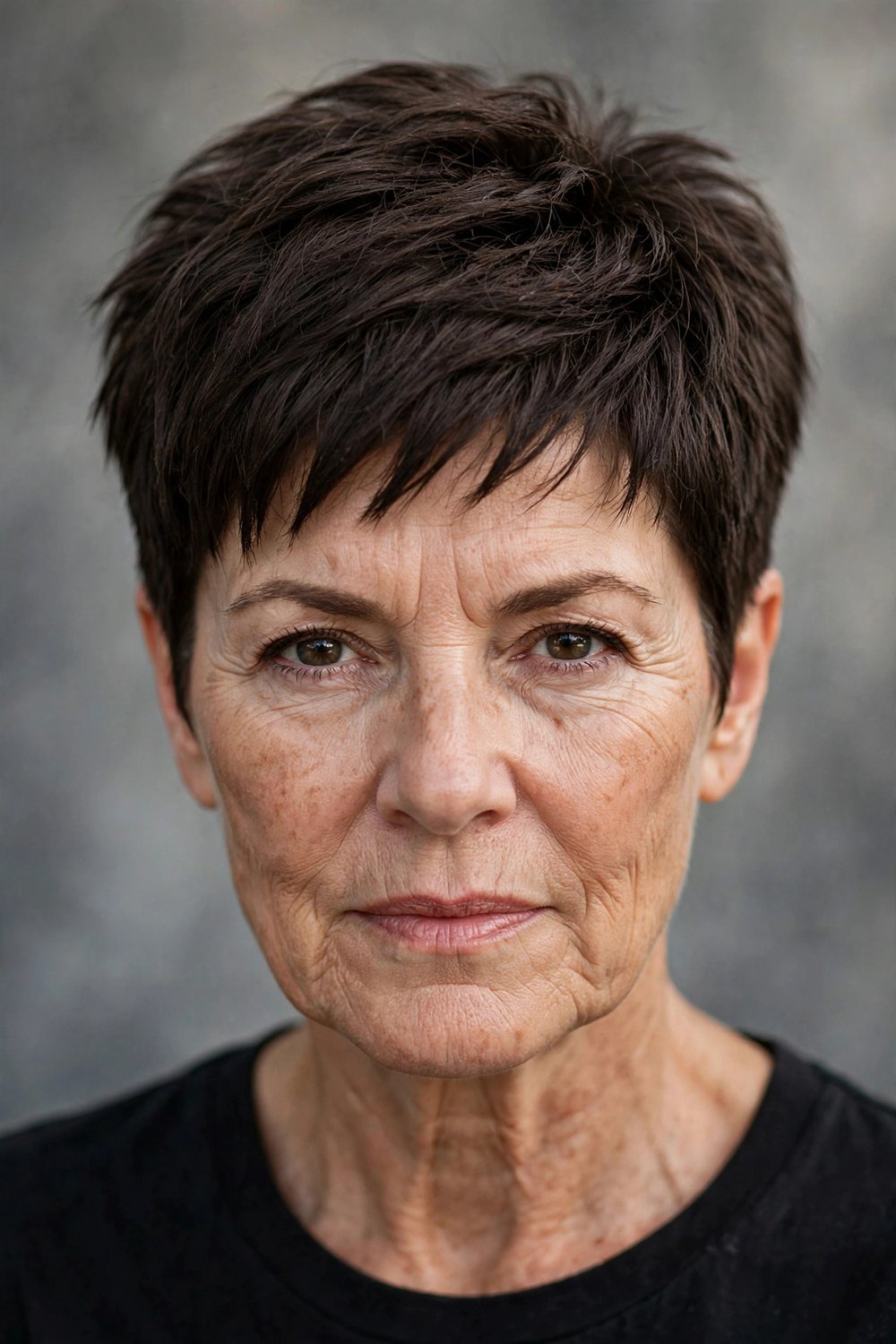
Spiky cuts have a reputation for being dated, and some deserve it. This version fixes that. The crown gets lift and height, but nothing is glued or frozen in place.
It suits thick hair well, and round faces that want extra height on top. A soft, brushed-up finish looks modern. A hard, gelled finish does not.
The biggest risk is product. Too much gel makes any spiky cut look old within minutes. Ask for “lift at the crown, a soft finish, and no stiff spikes.”
Choppy Pixies with Bangs and Fringe
In the USA, you say bangs. In the UK and Australia, it is a fringe. Either way, the right one changes the whole haircut.
Side-Swept Fringe Pixie
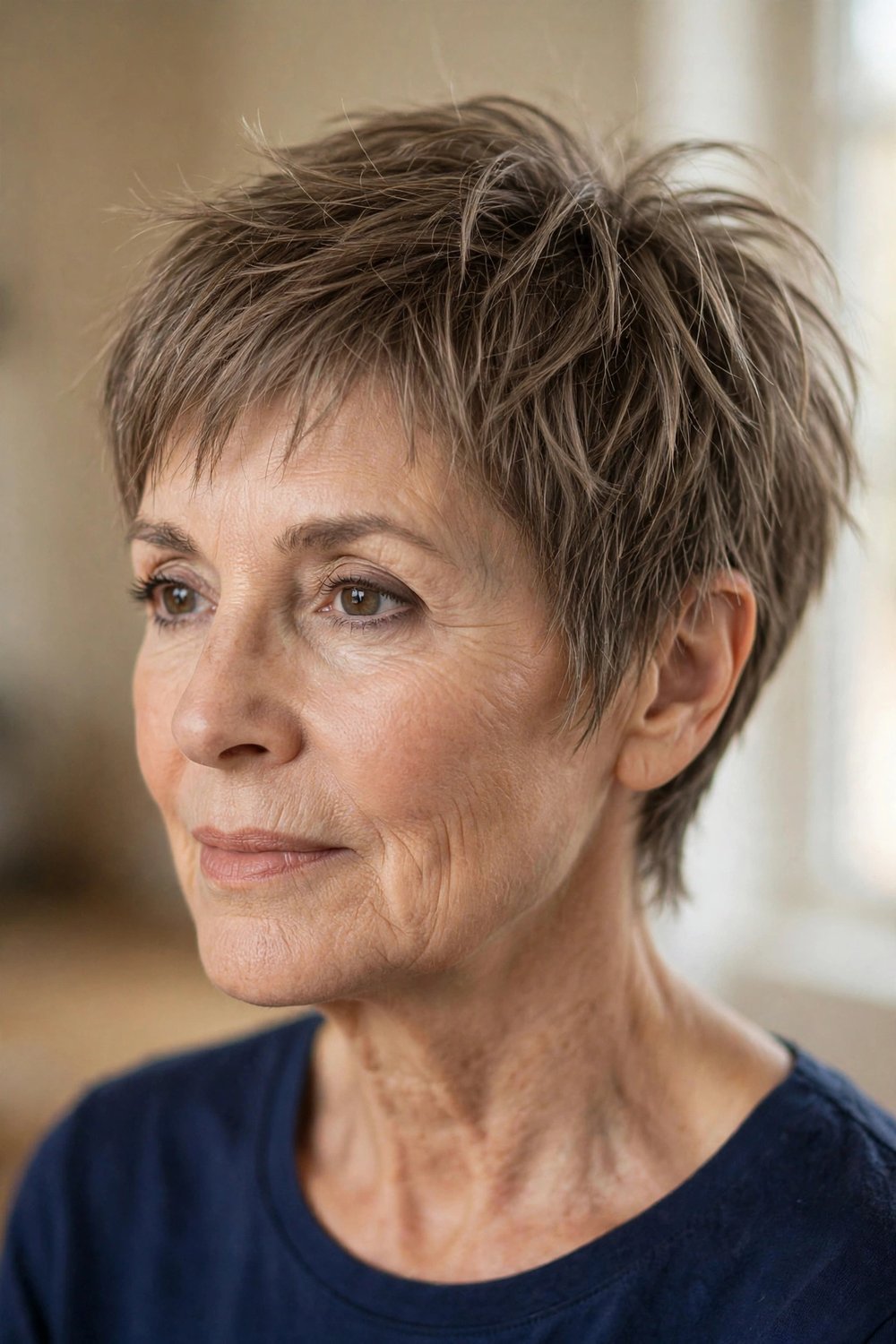
The front section sweeps across your forehead to one side. This softens sharp angles and balances a wider face, so round and square faces tend to love it.
It is easy to style. Blow it sideways with a small brush while the hair is damp, and you are done in a couple of minutes.
The annoying part comes later. The fringe can start poking into your eyes after just a few weeks. A good request is “a side-swept fringe that sits at my eyebrow, not below it.”
Wispy Micro Bangs Pixie
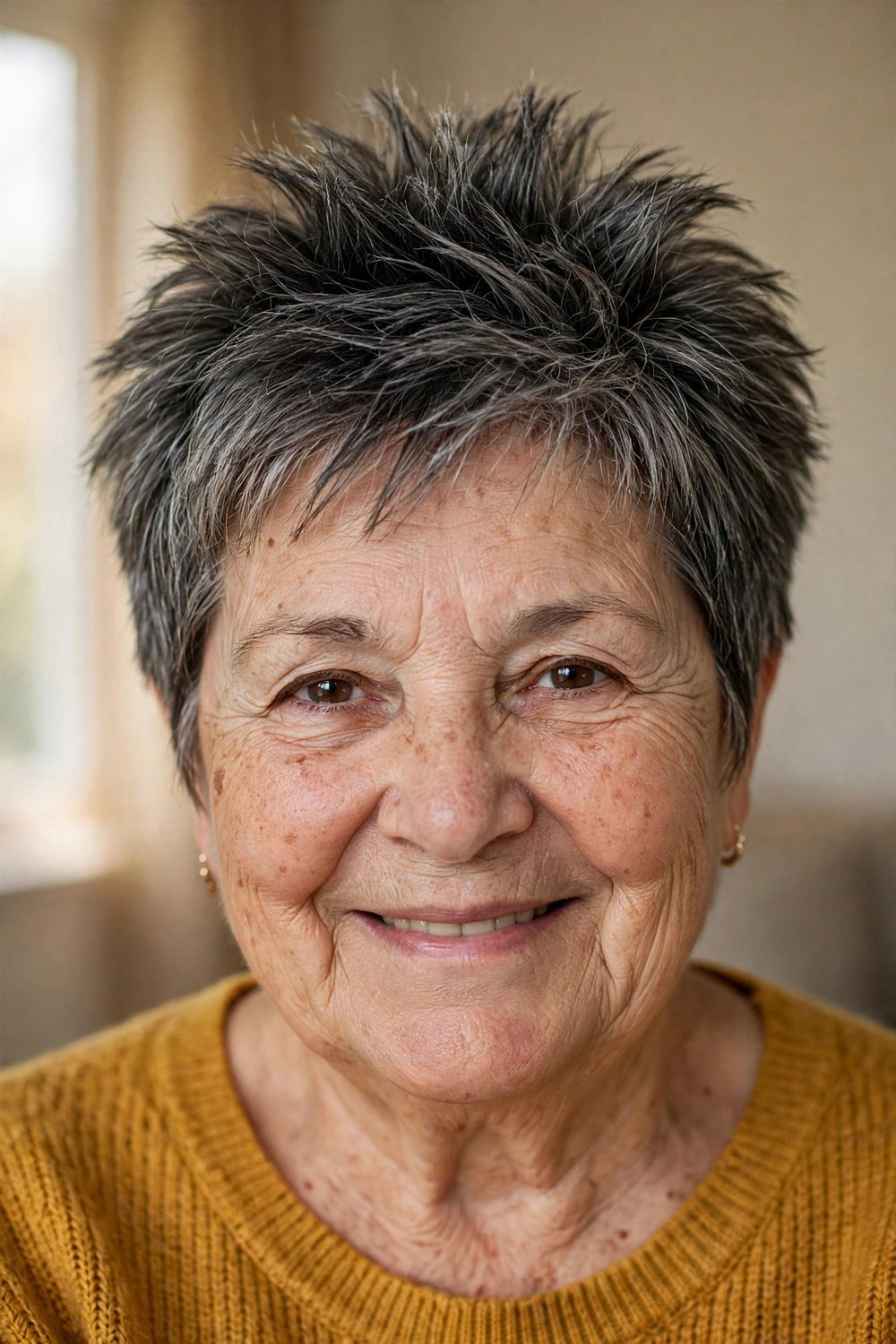
Small, light bangs sit just above the brows. Fashion editors love this look, and it does give your eyes a lot of attention.
It works best on oval and heart faces and on fine hair, since heavy hair makes micro bangs look bulky. If you love it, accept the upkeep. These bangs grow past the ideal length fast.
Cowlicks are the other issue. A swirl at your hairline can ruin the shape. Ask your stylist to cut the bangs dry, so you can both see how they really fall.
Long Side Fringe Pixie

The contrast is the whole point. The sides stay short and tidy, while a long front section drapes across one side of the face. It feels a bit dramatic, but in a soft way.
Heart-shaped and long faces tend to look great with it, and it works on fine or thick hair. You can also tuck the fringe behind your ear when you want a cleaner look.
Real life gets in the way sometimes. Wind, heat, and driving make a long fringe irritating. Keep a few clips nearby, and say, “Keep the sides short and the fringe long.”
Asymmetrical Choppy Pixie
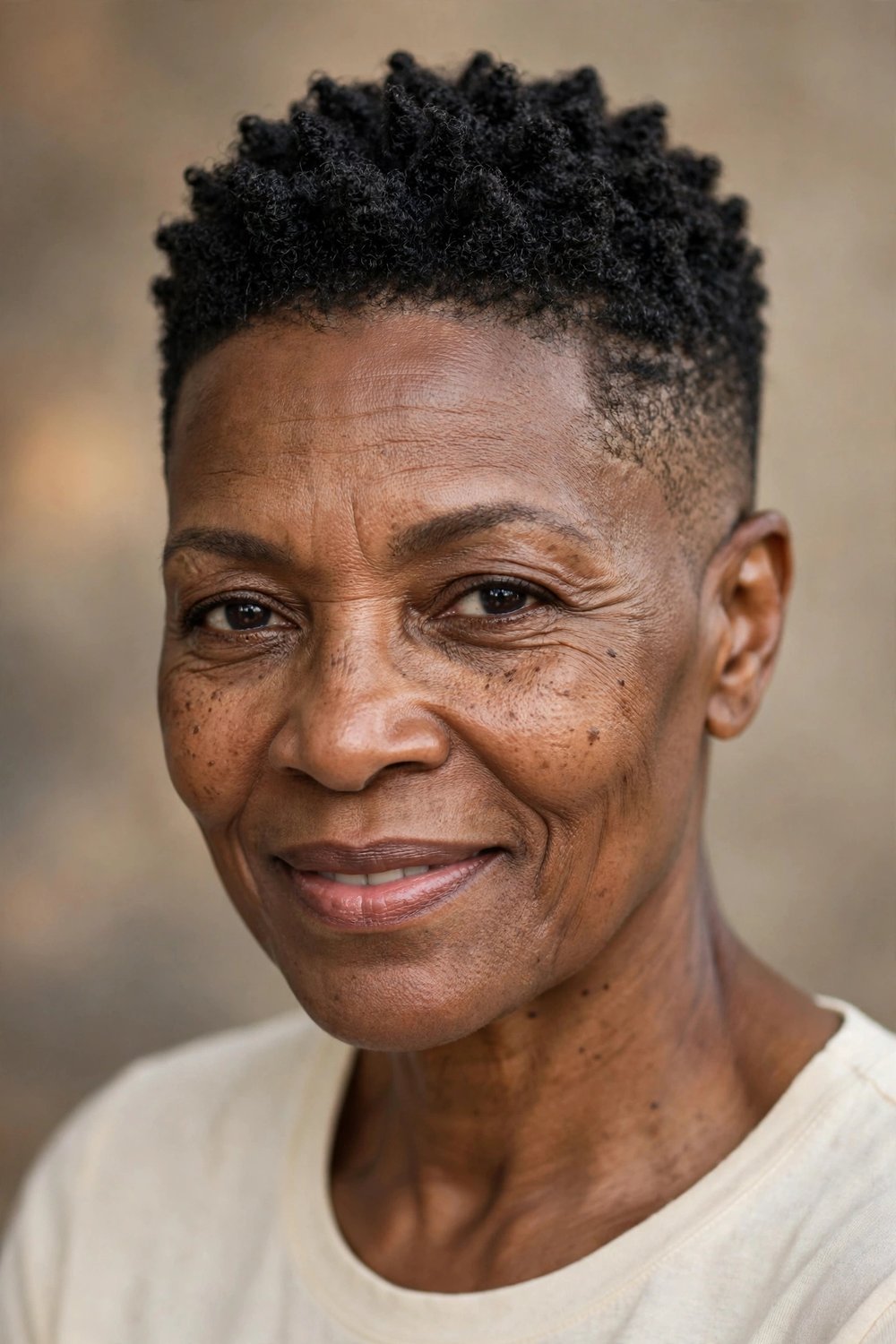
One side is cut shorter than the other. That uneven line is where the edge comes from. Strong jawlines and cheekbones carry this look well, and it suits straight or wavy hair. If you like detail, you will enjoy it.
The downside is how quickly it loses its shape. Because the whole look depends on the line, you need regular trims to keep it sharp. Ask for the asymmetry to be “subtle, not dramatic,” especially if it is your first time.
Feathered Short Bangs Pixie
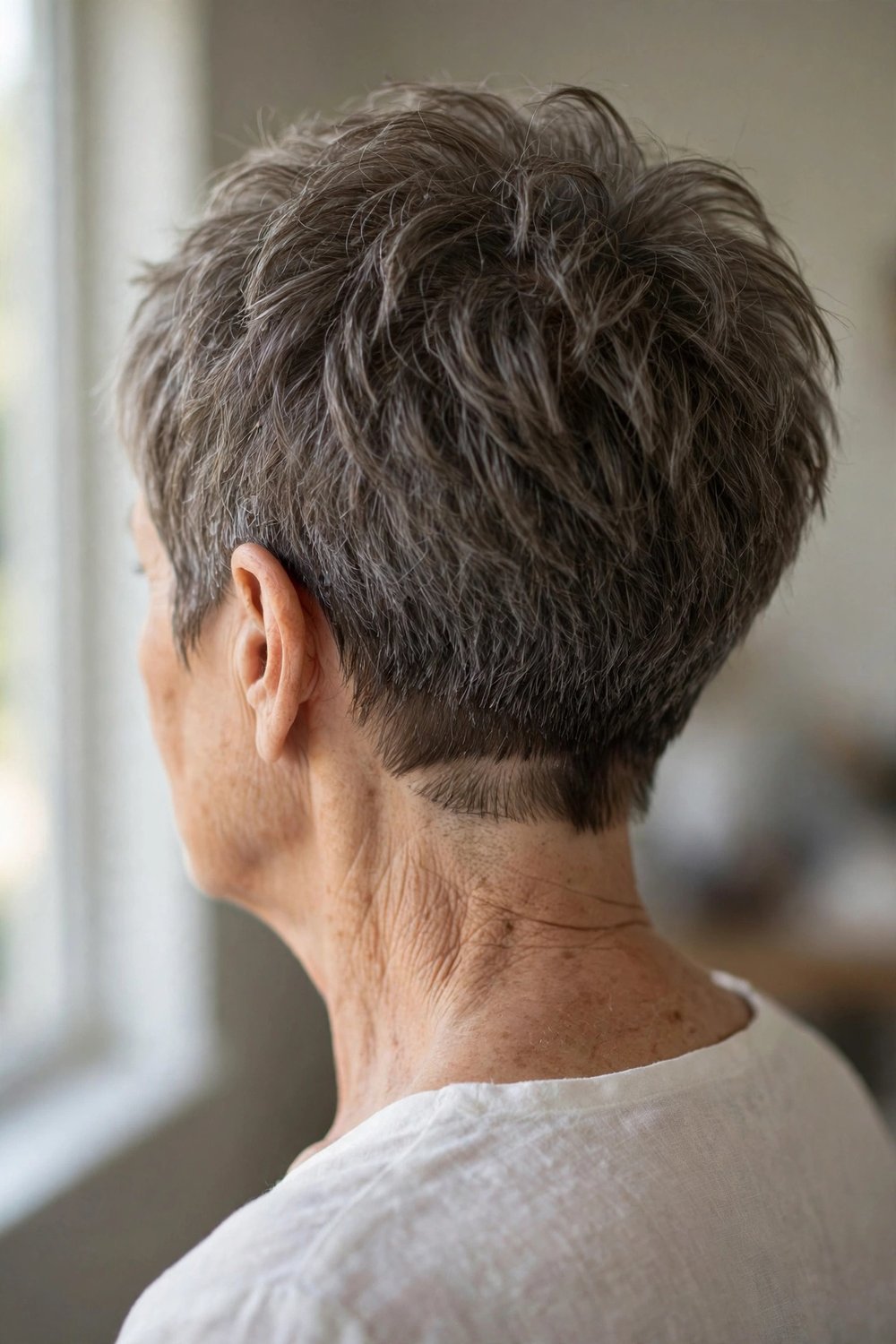
Slightly longer than micro bangs, these reach the middle of the forehead. The ends are feathery, so they blend into the sides instead of sitting like a hard block.
Medium to thick hair holds this style best, because it needs some body to stand up. Try a light cream or paste for definition.
A quick warning: forehead oil can flatten these bangs by the afternoon. A small travel dry shampoo can rescue them. Tell your stylist you want “feathery, mid-forehead bangs that blend into the sides.”
Disconnected Pixie
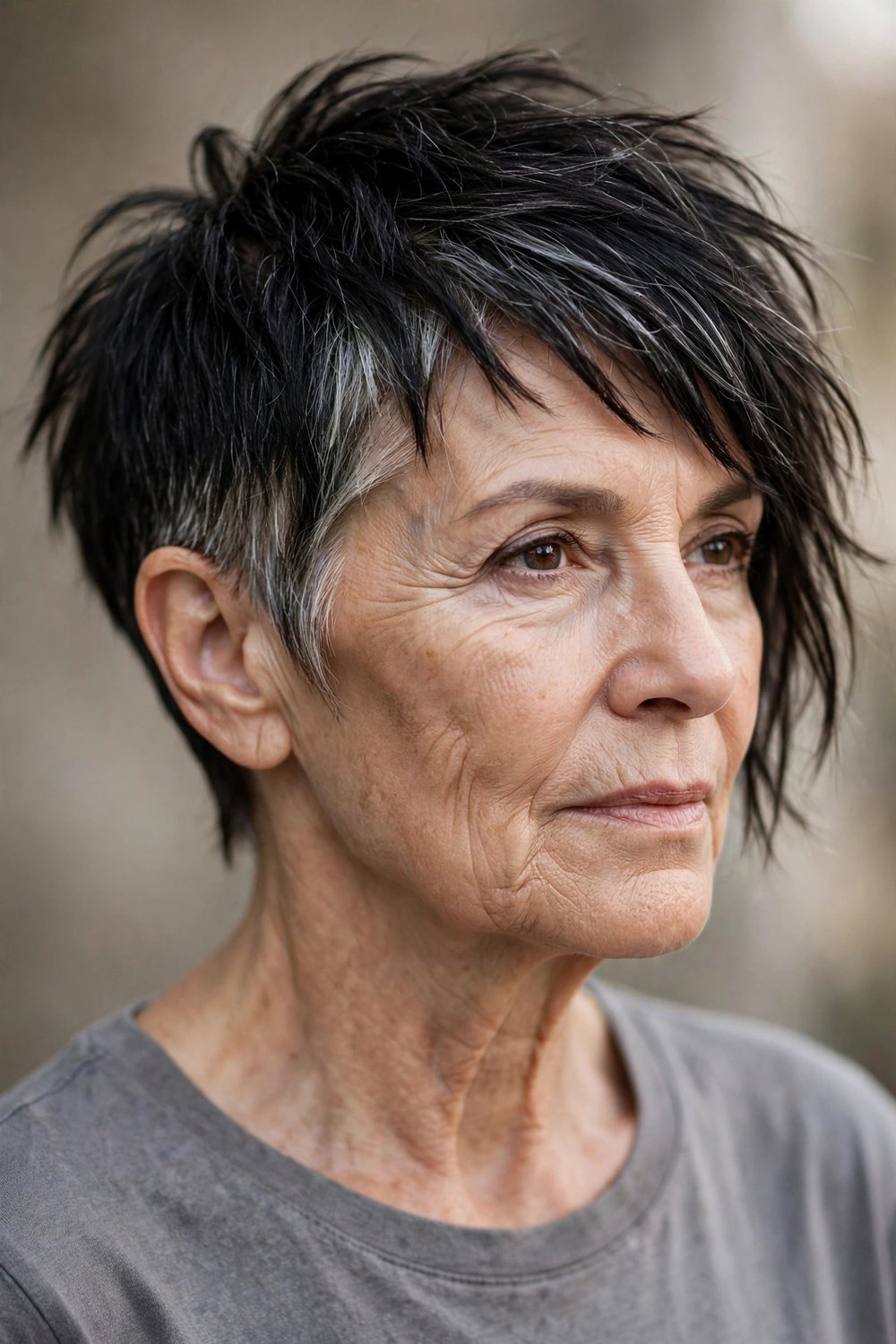
Most pixies blend smoothly from top to sides. This one does not. The top is much longer and the sides are much shorter, with a visible gap in between. It is the boldest cut in this group.
Thick or medium hair is a good match, since the longer top needs some weight.
A mediocre cut makes the contrast look like a mistake, so this is a style where the stylist matters more than the photo. Look at their other short-hair work first. When you book, say, “Textured top, short sides, a visible but soft contrast.”
Undercut and Shaved-Side Pixies
These styles use very short hair underneath for a sharper edge. They are not for everyone, but on the right person they look great.
Nape Undercut Pixie
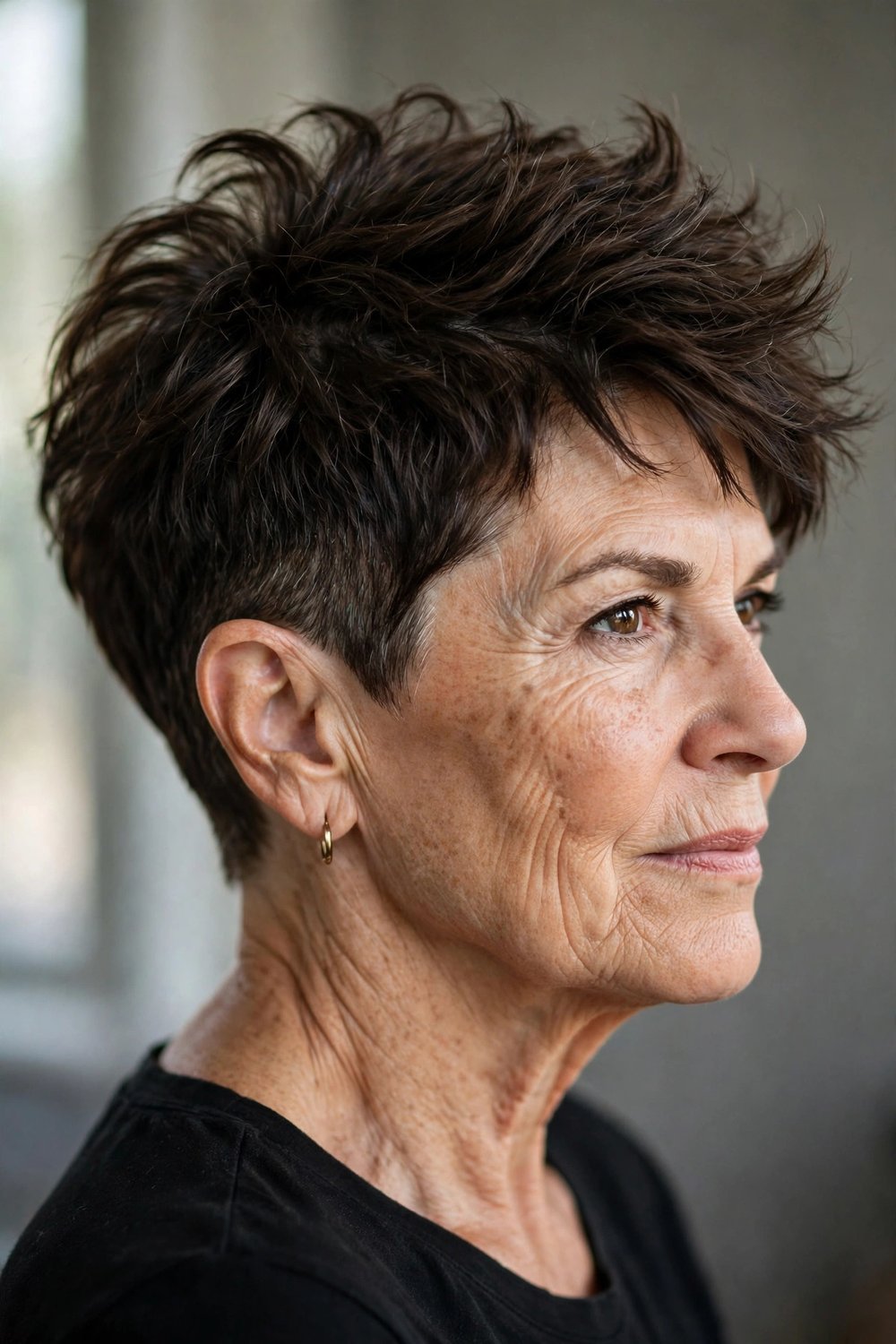
Only the back of the neck is cut very short. Everything else stays full. That is a smart way to get a bit of edge without a big commitment.
Thick hair benefits most, because the undercut removes bulk where it tends to bunch up. In hot weather, it also feels lovely on the neck.
Keep in mind that the regrowth looks fuzzy after a few weeks. If you hate that stage, plan a quick tidy-up every month. Request “just a small undercut at the nape, nothing higher.”
Soft Side Undercut Pixie
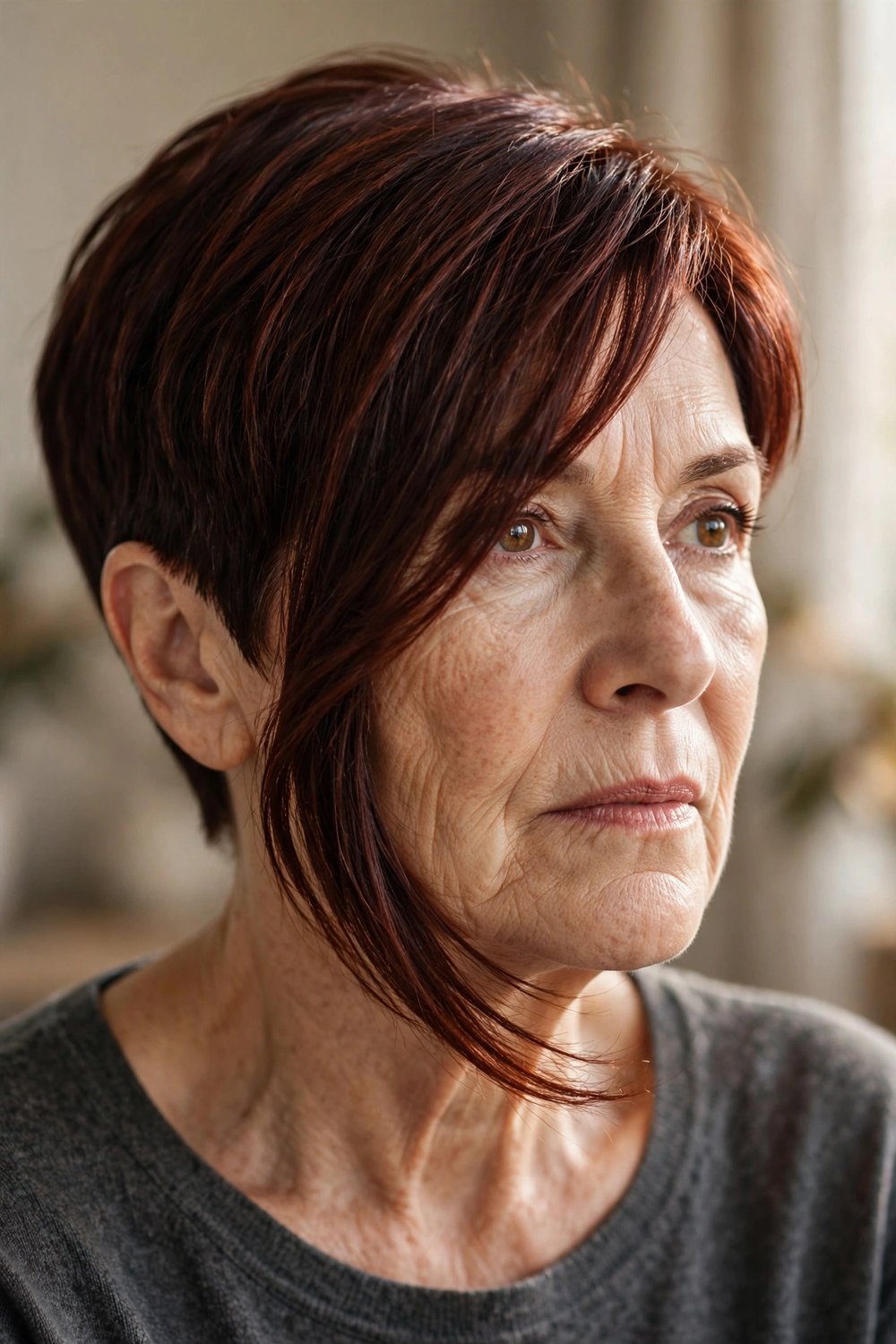
The sides are cut very short but not down to the skin. That small difference makes the look bold without feeling harsh.
It suits thick hair and warm climates, and you can switch between a sleek and a textured finish just by changing your product.
One thing to think about: shorter sides show more scalp. If you have thin areas near the temples, talk this over with your stylist first. A good line to use is “short sides, but not skin short.”
Undercut Fade Pixie
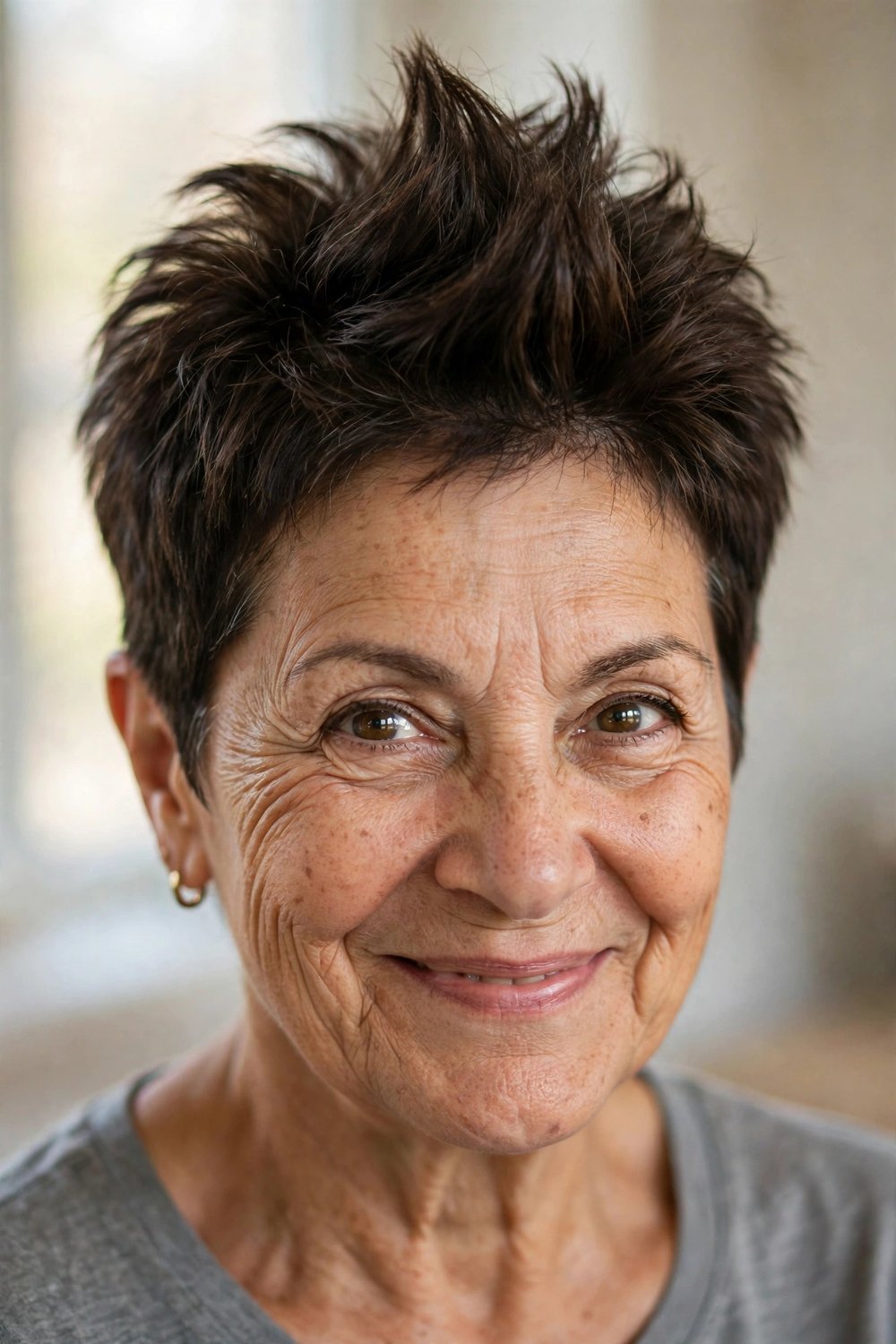
Here the sides fade gradually from very short to longer. A clean fade looks sharp and finished, almost like a tailored suit.
This is a choice for someone who loves being at the salon or does not mind it. Fades need frequent tidying to stay clean, so expect more visits than with other cuts. If you want it, ask for “a gentle fade with a soft blend, not a harsh line.” The word “soft” is important here.
Textured Faux-Hawk Top Pixie
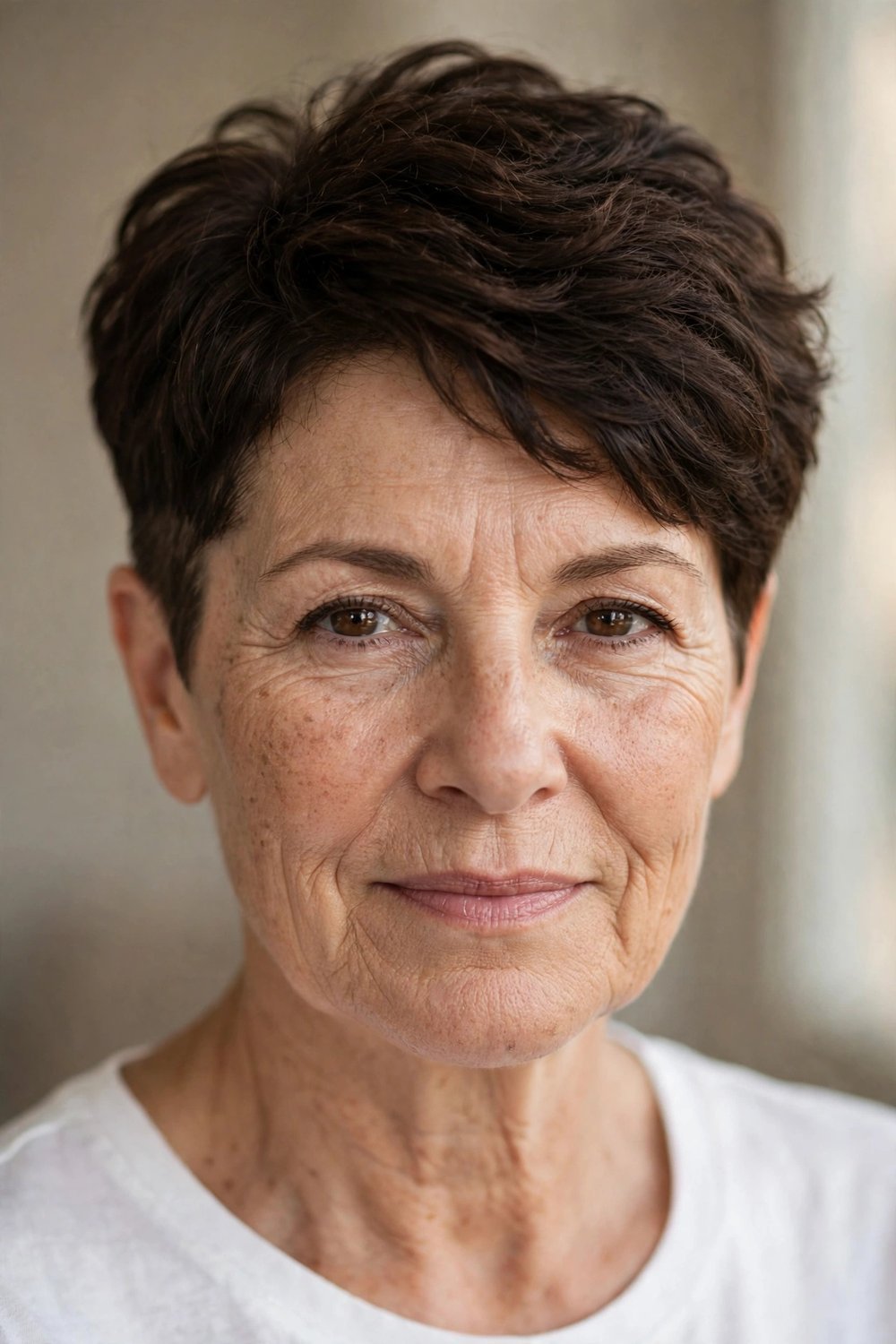
The center of the top is lifted and pushed upward while the sides stay tight. It is the most dramatic cut in the whole list, but you can tone it down by keeping the height modest.
Medium to thick hair works best. Use a strong-hold paste and a blow dryer to build the lift.
Without styling, it falls flat and looks unfinished. So be ready to spend a few extra minutes in the morning. A good request is “give me lift in the center, but keep the shape wearable.”
Longer and Softer Choppy Pixies
If very short feels like too much, start here. These cuts give you a gentler first step.
Long Wispy Pixie

More length on top and around the face, with light, feathery ends. It feels soft and approachable. Women growing out a longer cut often use this as a bridge style. It also suits fine hair, since the length helps it look fuller.
One danger: if the ends are thinned too much, very fine hair can look see-through. Say it plainly: “Wispy layers, but do not let the ends look thin.”
Choppy Pixie-Bob

Somewhere between a pixie and a bob. The sides and back stay a little longer, while the ends are still choppy and light. If you are not ready for very short hair, this is your safest bet. It skims the ears and gives you room to experiment.
Humid weather is its enemy. In-between lengths can frizz and misbehave. A light anti-frizz cream helps. Ask for “a choppy pixie-bob that skims my ears and stays textured.”
Shaggy Pixie
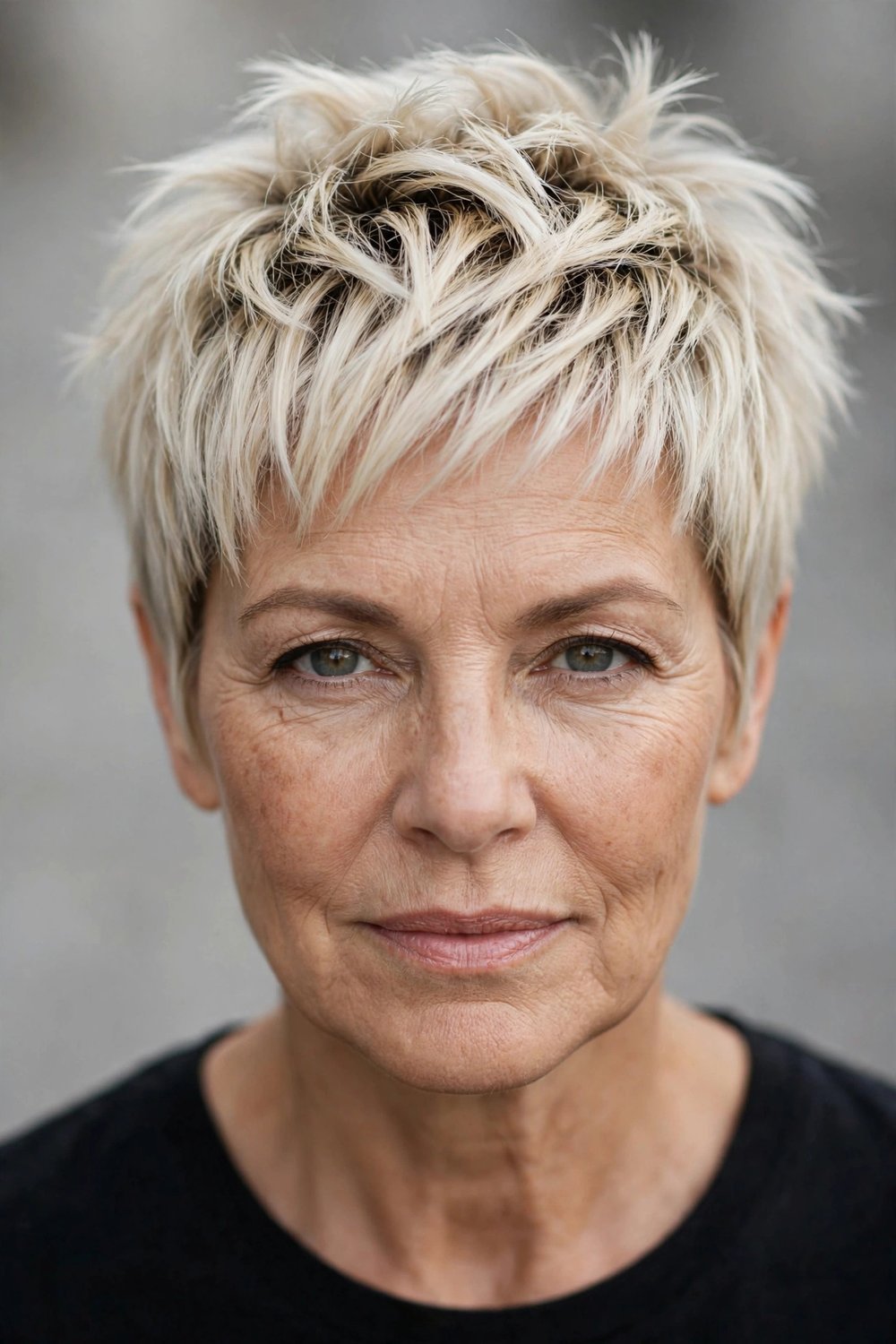
Lots of layers create a relaxed, shag-inspired shape. It feels playful and full, and it is forgiving if you are not a precise person.
Wavy, curly, and thick hair do really well here, since all those layers need some natural body. On very straight, limp hair, though, it can look untidy rather than stylish. If that is your hair, think twice or ask for tighter layers. Say, “Shaggy layers, short at the back, and work with my natural texture.”
Soft Mullet-Style Pixie
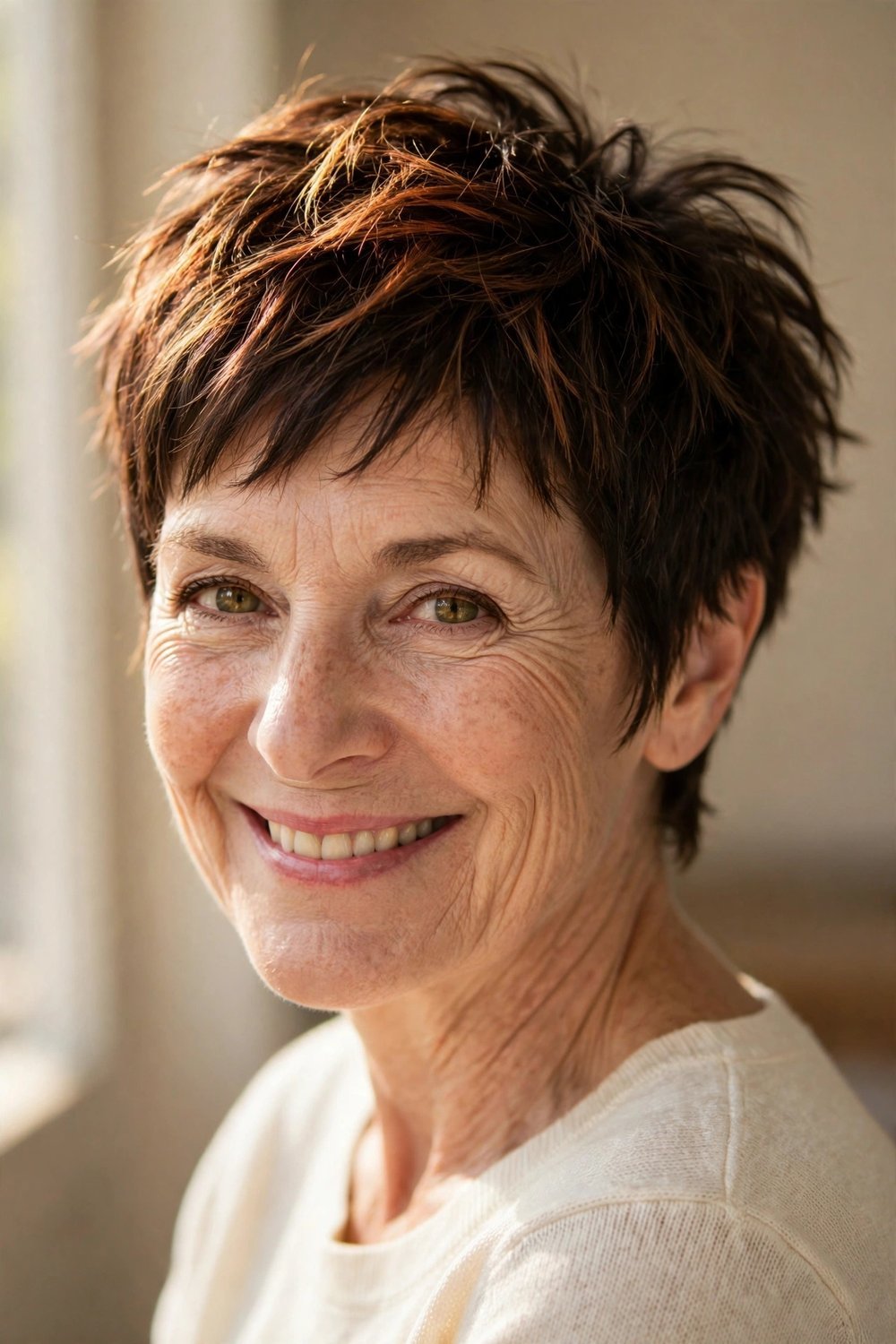
The mullet is back, but you do not have to commit to the full thing. This version has short sides and just a hint of extra length at the back.
It is a fun fit for medium to thick straight or wavy hair. It also feels fresh, partly because few people your age are wearing it.
Go light. Too much length at the back looks dated instead of cool. Tell your stylist, “Just a hint of length at the back. I do not want a full mullet.”
Color Ideas That Make a Choppy Pixie Pop
A choppy cut shows off texture, and color helps that texture show up. These four options work well.
Silver Gray Choppy Pixie
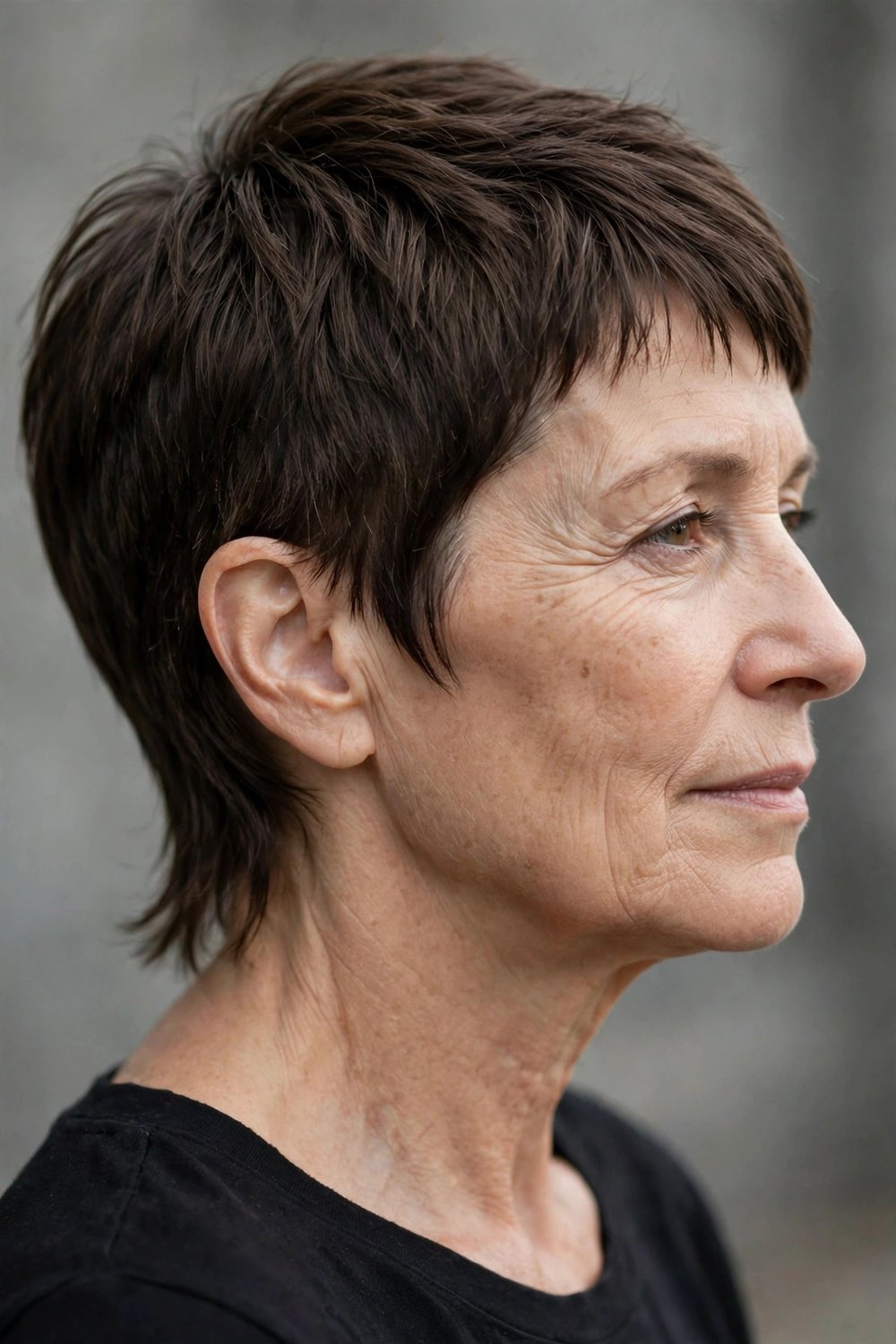
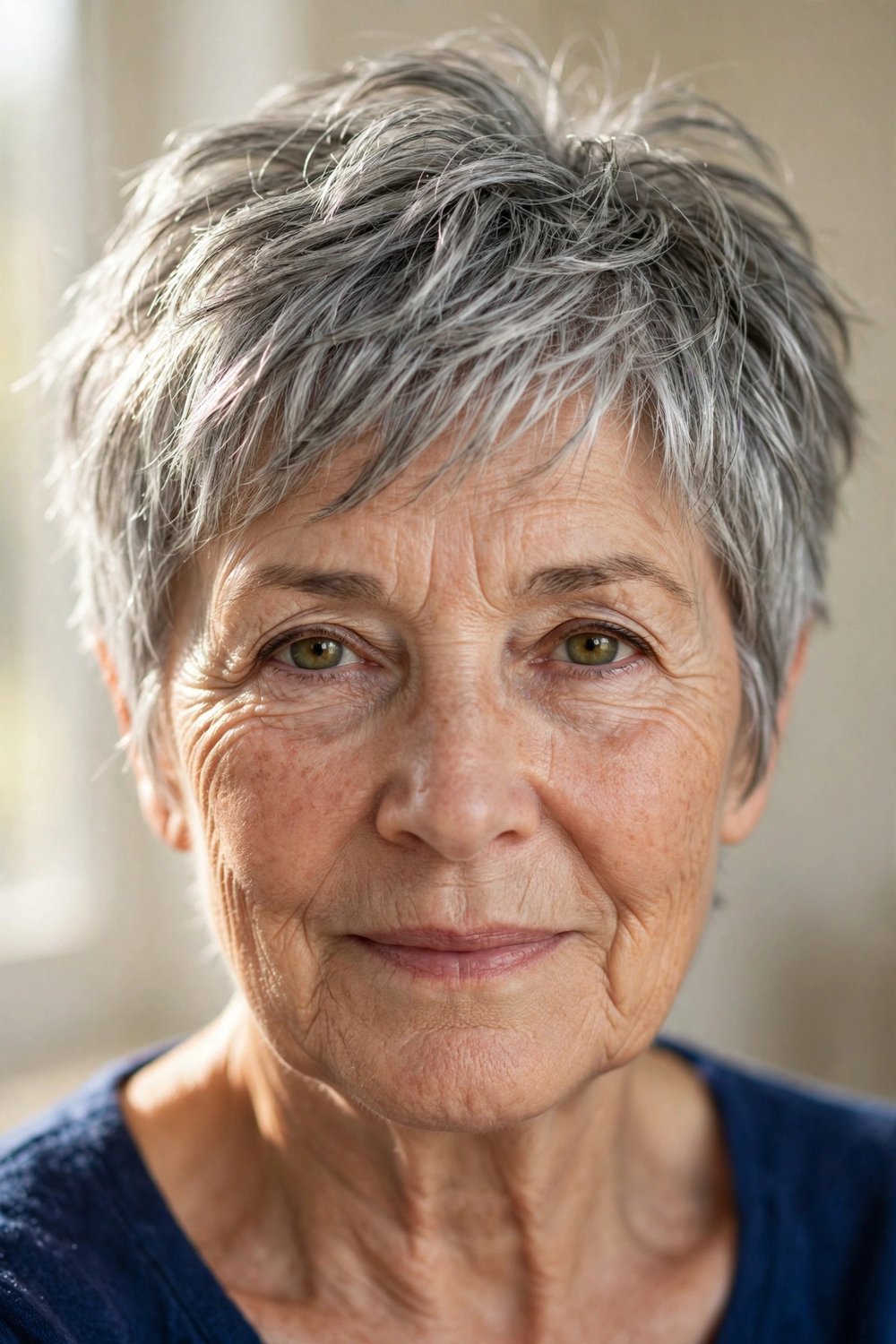
If your hair is going gray, or already is, the cut can do most of the work. Layers help gray hair look dimensional instead of flat.
Maintenance is lower than you might think, since there are no roots to cover. The trade-off is shine. Gray can look dull without a little care, and some people notice yellow tones over time. A shine treatment or a purple shampoo may help, but ask your stylist before using it. Ask them to “cut for gray hair and suggest a shine treatment.”
Salt-and-Pepper Choppy Pixie

Gray mixed with darker strands creates natural depth, almost like built-in highlights. The choppy layers show both tones off nicely.
It is a great low-effort option if you are mid-transition. Maintenance is low because you let nature do the coloring.
Be aware that the contrast near your roots gets more obvious as new gray comes in. Some people love that, and some find it stripy. Ask for “layers that show both tones without looking stripy.”
Platinum Choppy Pixie
Very light blonde gives this cut a bold, graphic feel. It is a big change, and people will notice. You should know the real cost. Platinum needs regular toning and root touch-ups, and lightening can dry out your hair. Always do a patch test before coloring, and ask your stylist if your hair is strong enough for the process. If you go for it, say, “I want platinum, but I want to keep my hair healthy.”
Copper Highlighted Choppy Pixie

Warm copper tones or balayage highlights bring out each layer, so the texture is easier to see. Brown and dark hair look especially good with this.
It is a nice middle ground between natural and dramatic. You only color the top layers, so the rest stays low-key. Warm shades fade faster than neutral ones, so you will need touch-ups. A patch test is a smart habit with any dye. A request that works well is “soft copper highlights placed on the top layers only.”
How to Style a Choppy Pixie in 5 Minutes
You do not need a long routine. Use this order and adjust as you learn what your hair likes.
- Start with damp hair, not dripping wet.
- Apply heat protectant if you plan to use a hairdryer.
- Add a small amount of root-lift mousse or spray, mostly at the roots.
- Rough dry with your fingers, lifting the roots as you go.
- Warm a pea-sized amount of paste, clay, or pomade between your fingers.
- Pinch and twist pieces on top to build texture.
- Finish with a light-hold hairspray, only if you need it.
Start with less product than you think you need. You can always add more later, but you cannot take it out without washing your hair.
Common Mistakes to Avoid
- Too much product. It makes hair heavy, greasy, or crunchy.
- Skipping trims. Short cuts lose their shape quickly, and everything that makes them look good depends on that shape.
- Over-thinning. Too much thinning on fine hair leaves it sparse.
- High heat every day. Heat damage shows up more on short hair, since there is less hair to hide it.
- Being vague with your stylist. A word like “choppy” means different things to different people. Bring photos and say what you like and dislike.
- Ignoring your natural texture. If your hair is wavy or curly, tell your stylist before they start cutting.
Products and Tools You Actually Need
You do not need a bathroom full of products. These basics cover nearly everything:
- Heat protectant
- Volumizing mousse or root-lift spray
- Texturizing spray or sea-salt-style spray
- Paste, clay, or pomade
- Light-hold hairspray
- A hairdryer with several heat settings
- A small round brush or a wide-tooth comb
- Color-safe shampoo, if you dye your hair
If you live in a place with hard water, which is common in many parts of the UK, Germany, and Italy, your hair may feel dull or heavy. A clarifying shampoo used now and then can help. In humid places, a light anti-frizz product keeps a choppy shape from puffing up.
How to Grow It Out If You Change Your Mind
Not every haircut feels right on day one, and that is normal. If you want to grow it out, these steps help:
- Get small trims every 8 to 10 weeks so the shape does not go awkward.
- Use headbands, clips, or a light wax during the in-between stage.
- Ask your stylist to shape the pixie into a pixie-bob first, then a longer bob.
Hair grows slowly, so patience is part of the plan.
FAQs
Does a choppy pixie work on fine hair?
Yes, if the layers are soft and well cut. Texture can make fine hair look fuller. Avoid heavy, blunt cuts, which weigh it down.
How often do I need a trim?
Most pixies need a trim every 4 to 6 weeks to keep their shape. Undercuts and fades may need more frequent visits. Your stylist can tell you what works for your hair.
Does a choppy pixie suit gray hair?
Often, yes. Layers give gray hair shape and movement. Add shine with a good conditioner or a gloss treatment, since gray hair can look dull.
Can I wear a choppy pixie with thick or curly hair?
Yes, but tell your stylist about your natural texture. Thick hair needs the bulk removed carefully. Curly and coily hair is best cut by someone experienced with your hair type.
Will a pixie make me look younger?
A fresh, well-shaped cut can make you look polished and confident. It will not change your age, and that is fine. Choose it because you like it.
What should I tell my stylist?
Bring two or three photos. Say what you like about each one. Mention your daily styling time, your hair type, and whether you wear glasses.
Final Thoughts
An edgy choppy pixie works best when it fits your hair, your face, and your daily routine. Pick one or two styles from this list, save the photos, and talk through the details with your stylist. A small change in texture, fringe, or color can make the whole cut feel like yours.