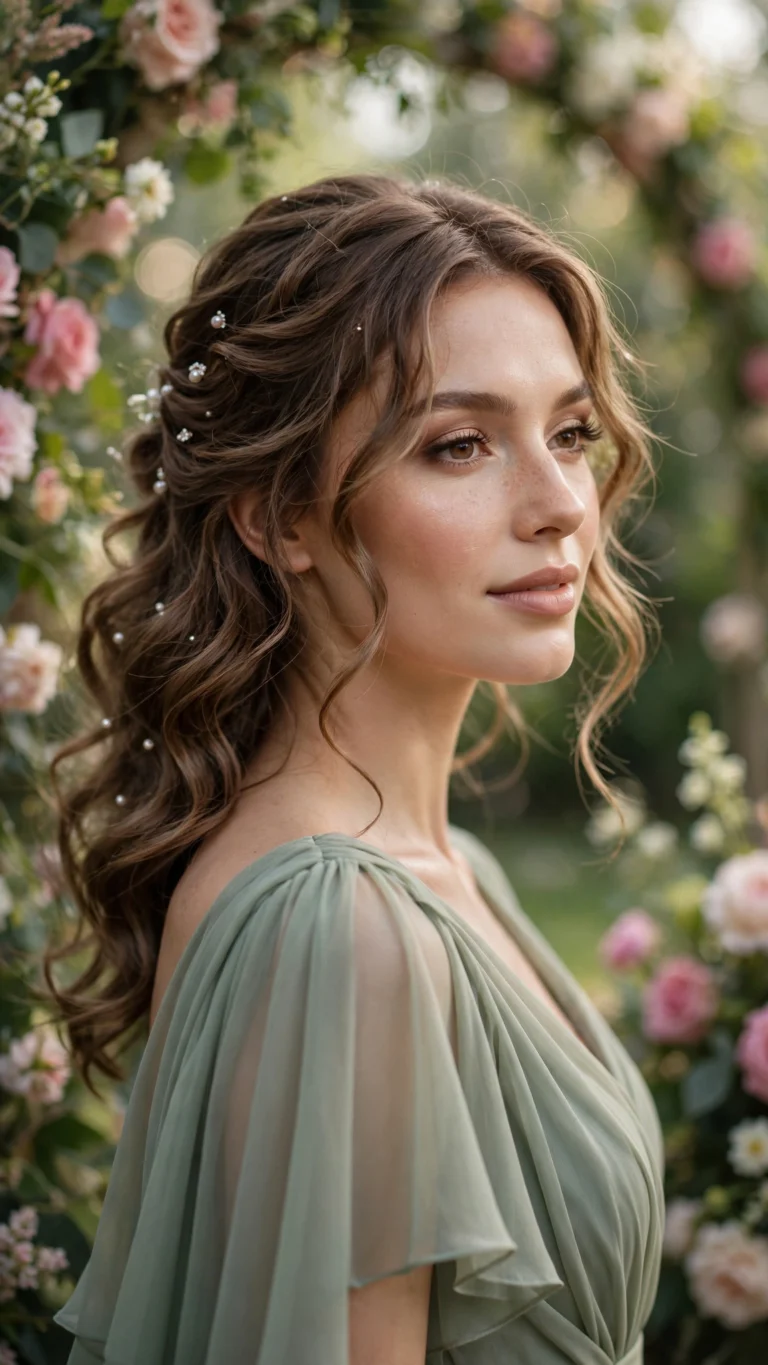
24 Short Natural Hairstyles That Are Easy, Cute & Low Maintenance
Cutting your hair short does not mean giving up options. It means getting them back. Short, natural hairstyles have slowly become the norm in 2026, but it’s not due to a lack of length. It’s a trend everyone seems to be seeing in salons – clients who are coming in asking for structure and shape, as well as time in their schedules. The TWA is back in a serious way. So is the curly pixie, the tapered cut, and that soft, lived in silhouette that looks like you woke up already styled.
Here’s what most articles skip. Short hair on coily and curly textures is not automatically low maintenance. It becomes low maintenance when the cut works with your curl pattern instead of against it, and when your moisture routine is dialed in. Get those two things right and your morning routine shrinks to a spray bottle, a dollop of cream and about four minutes of fluffing.
Below are 24 styles worth trying, sorted by how much effort each one actually asks of you.
Quick Everyday Styles You Can Finish in Under 15 Minutes
These are the wash day survivors, the Tuesday morning saves, the looks you can pull together while your coffee brews.
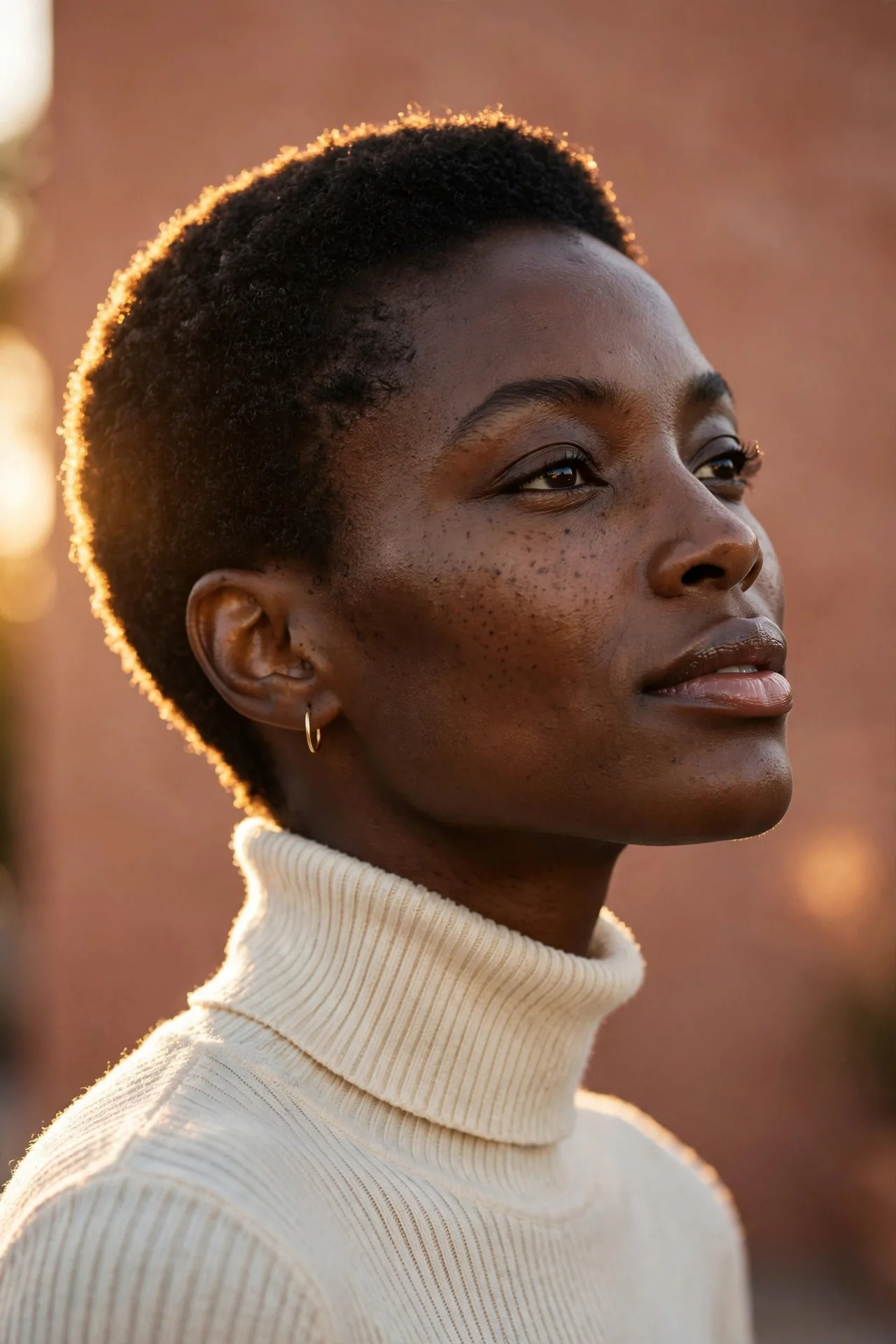
The Classic TWA
A Teeny Weeny Afro is a short, intentionally shaped afro that shows off your texture with almost zero manipulation. Not a grow out phase. A destination. Stylists describe the modern TWA as precise rather than casual, because the silhouette itself is doing the work. You wash, condition, apply a light leave in, then pat and shape with your palms.
Round brushing a small amount at the crown adds height if your coils sit flat. Type 4 hair holds this shape beautifully since tight coils naturally stack into a rounded form. The catch is that it needs trimming every three to four weeks to stay crisp.

The Wash and Go
Definition that still moves, and honestly the most forgiving style on this list. You apply product to soaking wet hair in the shower, rake it through, then let it dry without touching it. Hydration comes first, definition second. A curl cream layered under a light gel gives you hold that doesn’t crunch into concrete.
Section your hair into four parts before applying so nothing gets missed, and be generous with water. Shrinkage will happen. That’s not damage, that’s elasticity, and on a short cut it actually works in your favor because it builds volume.

Finger Coils
Wrapping small sections around your finger creates spiral definition that lasts three to five days on clean hair. Damp hair works best here. Take sections roughly the width of a pencil, apply a small amount of curl defining cream, then twirl each one downward until it holds its own shape. Yes, it takes twenty minutes the first time. By the third attempt you’ll be at ten. Coils on a TWA look particularly striking because every single one is visible, nothing hides in the bulk.
Sponge Twist Curls
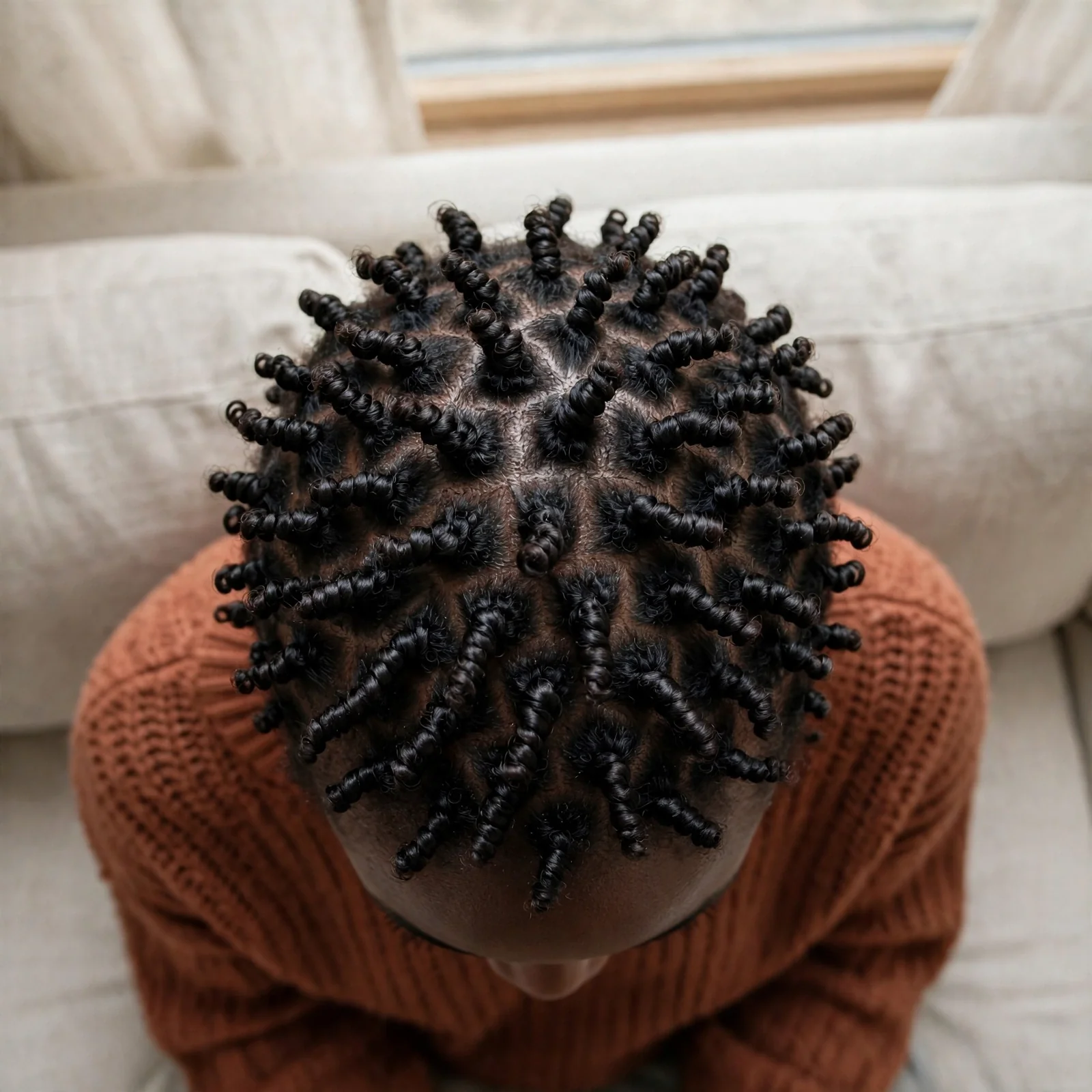
A twist sponge creates instant, uniform coils across your whole head in roughly five minutes. It is genuinely the fastest defined style you can achieve on short natural hair.
Dampen your hair, add a leave in, then move the sponge in small circular motions across your scalp. Light pressure only. Pressing too hard tangles the coils together and makes takedown miserable. The finish reads sporty and modern, and it holds up well under a satin bonnet overnight. Men and women both wear this one constantly, and it costs about eight dollars to set up.

Slicked Back TWA with Sculpted Edges
Smoothing your hair back with a soft hold gel and finishing your edges turns a plain crop into something polished enough for a wedding.
Use a brush with soft bristles and a non flaking edge control, then tie a satin scarf around your hairline for ten minutes while you do your makeup. That short setting time makes the whole difference. Baby hairs can stay minimal and natural, or go full swoop if that’s your energy. Either way, the sharpness around your face pulls attention straight to your cheekbones.
The Mini Puff
Gather whatever length you have at the crown, secure it loosely, and let the rest stay smooth. Fast, cute, always appropriate.
Even three inches of hair can form a puff. A satin scrunchie or a stretchy headband placed low avoids the tension damage that metal elastics cause along your hairline. Add a little mousse to the sides for control and leave the puff itself unbrushed for fullness. When your twist out has started falling apart by day four, this is the rescue.

Cuts and Shapes That Do Half the Styling for You
Some looks come from a technique. These come from the scissors, which means your stylist carries most of the workload.
The Tapered TWA
Tapering shortens the sides and back gradually while keeping fullness on top, creating a shape that flatters nearly every face.
The graduated sides make your neck look longer and your jawline more defined. Volume up top balances a rounder face. Because the sides are already short, they never really need styling, so your wash day routine focuses on maybe four inches of hair total. Ask your barber or stylist for a soft taper rather than a hard line if you want it to grow out gracefully.
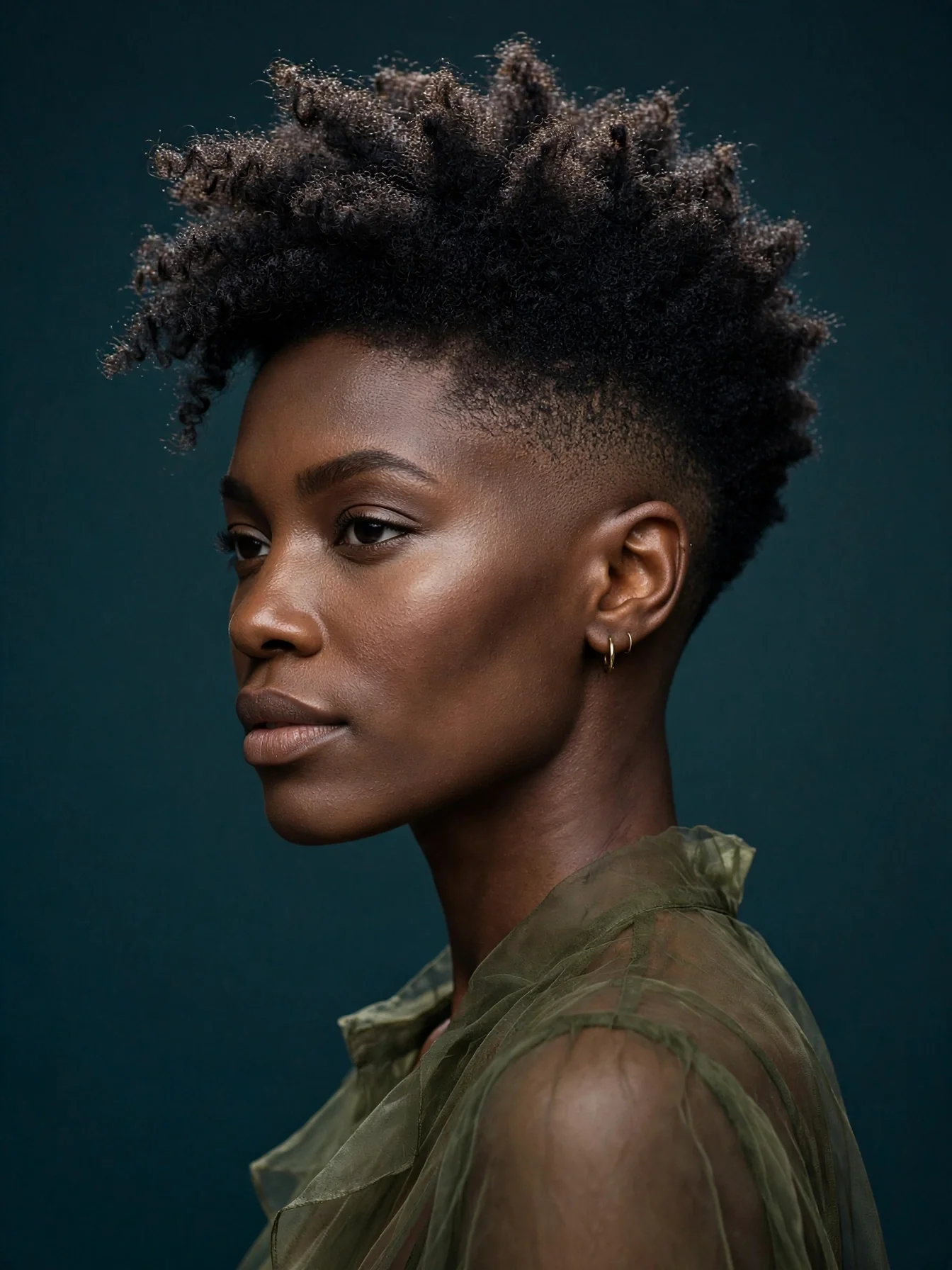
The Curly Pixie
Sculpted, bouncy and considered one of the standout cuts of 2026, the curly pixie shapes short curls into a soft, face framing silhouette.
Layers are cut to follow your curl pattern, so each section springs into place on its own. Celebrities like Keke Palmer and Teyana Taylor have been spotted in versions of this cut recently, which pushed it right back into the mainstream. It suits type 3 and looser type 4 textures especially well. Styling is barely styling: dampen, scrunch in cream, air dry.

Taper Fade with a Full Natural Top
Barbering precision meets natural texture. Sides and back fade to a clean graduated finish while the top stays full, shaped and free.
This one carries real presence. The contrast between the tight fade and the soft coils on top reads sharp without looking severe. Maintenance is honest work though, since fades blur after about two weeks. If you’re willing to book a shape up twice a month, the payoff is a style that always looks deliberate, even when you did nothing to it that morning.
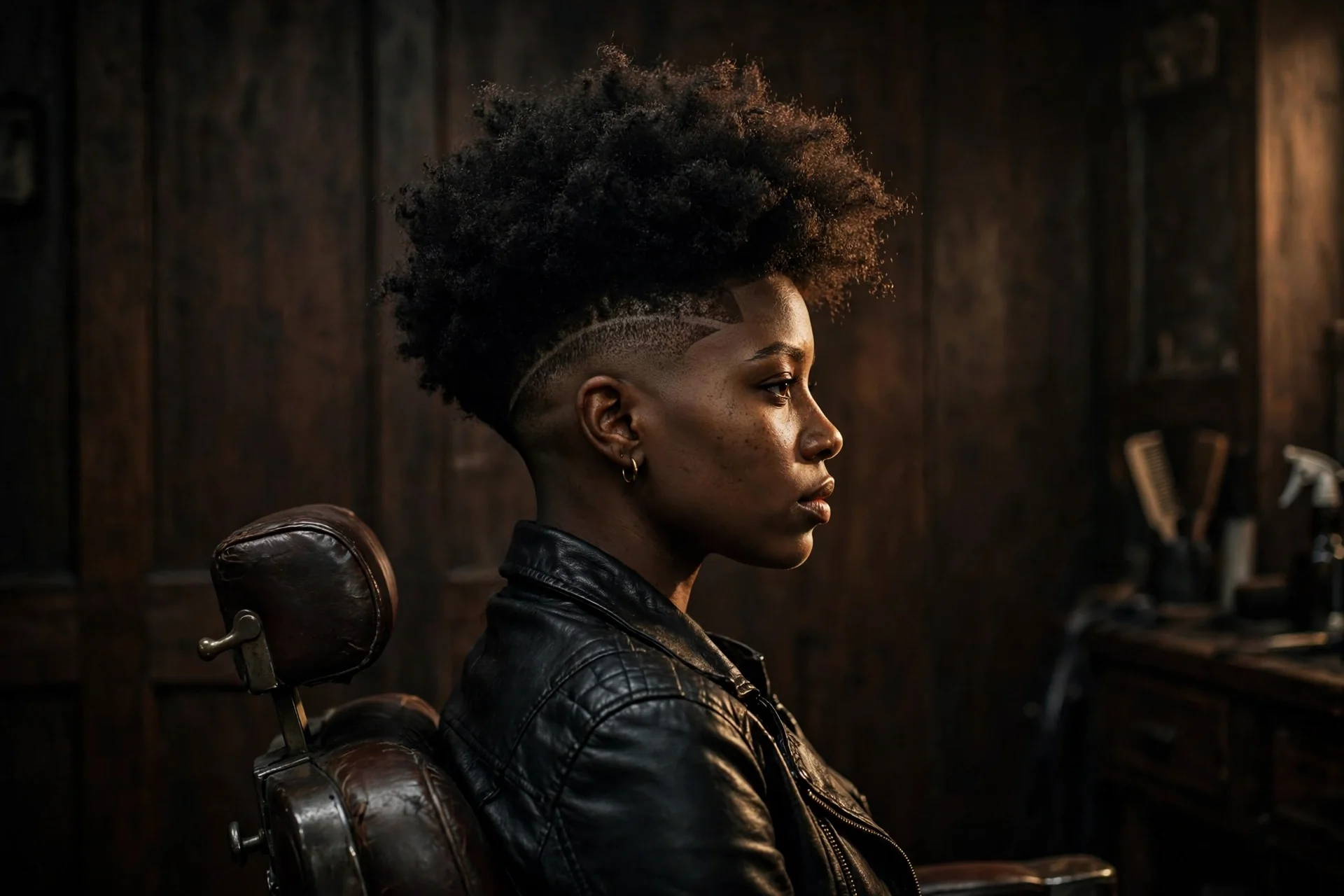
The Short Frohawk
Flattening or braiding the sides and leaving a raised strip of curls down the center gives you height, drama and a genuinely bold profile.
No shaving required. Two flat twists on each side pinned close to the scalp create the same effect on short hair, and you can undo it in five minutes. Some people add hair jewelry along the twisted sides for a bit of shine. It’s playful, it photographs well, and it lasts about three days before needing a refresh.

The Blown Out Mini Afro
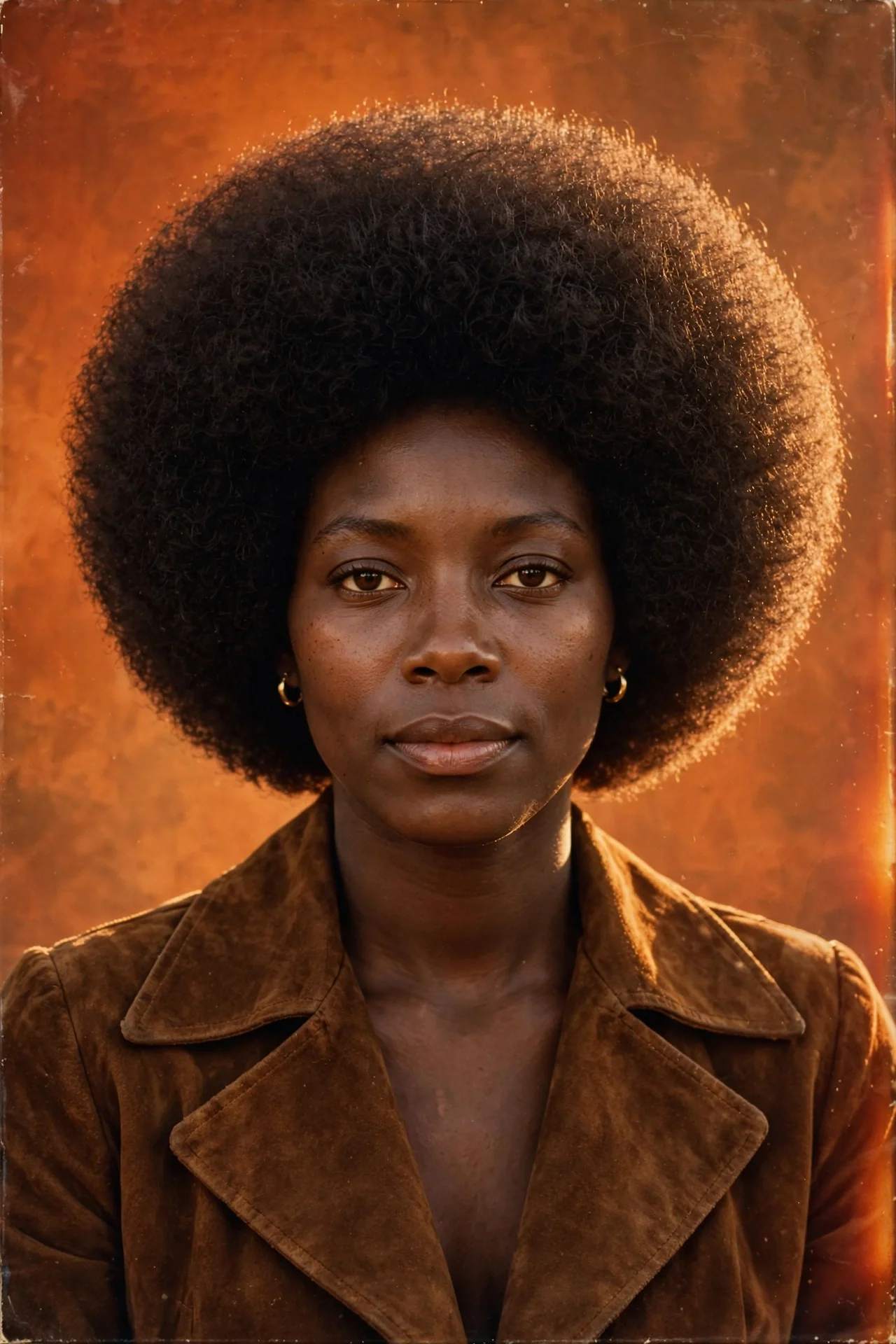
Stretching your coils with low heat and a blow dryer with a comb attachment builds a rounded, seventies leaning shape with visible fullness.
Use the cool or medium setting, never high, and always apply a heat protectant first. Stretched hair on a short cut gives you noticeably more perceived length, sometimes double what your shrunken curls show. Pick it out gently with a wide tooth afro pick, shaping as you go. Keep this to once a week at most so your curl pattern stays intact.
Heatless Definition: Twist Outs, Knot Outs and Coil Sets
Nothing here requires a hot tool. Everything here requires patience the night before, then almost nothing the next morning.
The Short Twist Out
Two strand twists set on damp hair and unraveled once dry deliver soft, springy definition with body that a wash and go can’t quite match.
Six to ten twists cover most short cuts. Apply a moisturizer and a sealing oil to each section before twisting, then sleep in a bonnet. Unravel with oiled fingertips in the morning to avoid frizz. Fluff at the roots, not the ends. Day two often looks better than day one, which is the whole appeal.

Bantu Knots
Coiled sections wrapped into small knots against the scalp make a beautiful standalone style with obvious cultural roots and real staying power.
Part your hair into a grid, twist each section tightly, then wrap it around its own base and tuck the end underneath. Bobby pins secure anything that slips. Nine to twelve knots is usually enough on a TWA. Wearing them out for a day or two is completely normal, and they can hold for up to two weeks with proper night protection.

The Bantu Knot Out
Taking those same knots down after they dry produces bouncy, uniform waves that look like a curling iron was involved. It wasn’t.
Bigger sections create looser waves. Smaller sections produce tighter spirals. Make absolutely certain the knots are fully dry before unraveling, because damp hair reverts within an hour and all that work disappears. A little oil on your fingers during takedown keeps the pattern smooth. This is the go to for anyone who finds twist outs too flat.

Flat Twists Straight Back
Twisting hair flat against the scalp in rows creates a sleek, protective look that stays neat for four or five days. Chunky flat twists suit short hair better than tiny ones, since thin sections tend to unravel when there’s less length to grip. Three to five rows going back is plenty. Add a bit of cream for slip, and don’t twist so tightly that your scalp aches. Tension is the enemy of your edges, always has been.
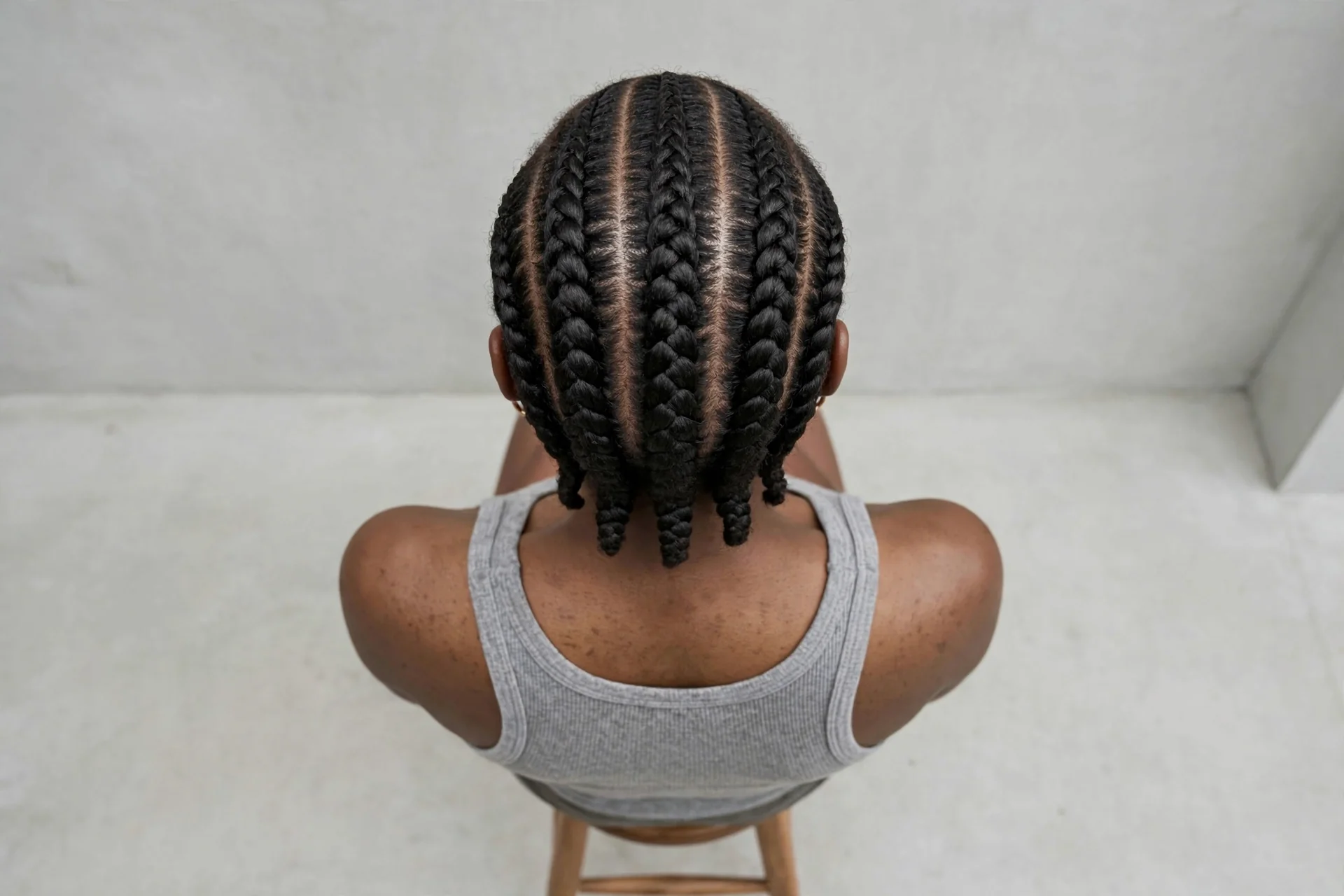
Mini Twists
Dozens of small two strand twists worn as a finished style, not a set, giving you weeks of freedom from daily styling. Installation is a commitment, somewhere between two and four hours depending on how small you go. What you get back is genuinely worth it. Mini twists can be worn up, pinned, half back, or just left alone. Wash them in a mesh bag or with a diluted cleanser to prevent frizz. Take them down after three to four weeks maximum to avoid matting at the roots.

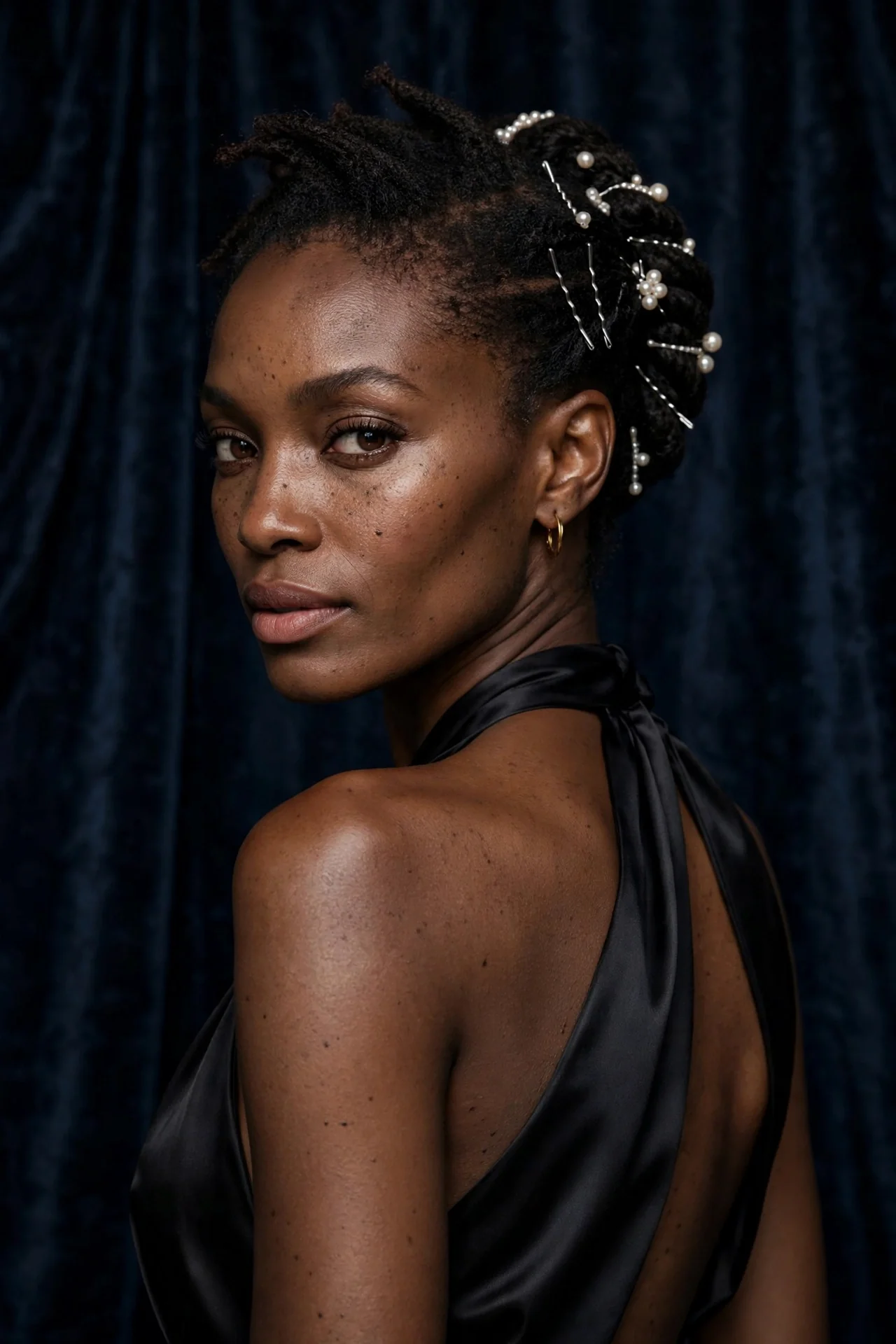
Pinned Twist Updo
Taking existing twists and pinning them upward or to one side turns a casual style into something dressy in about four minutes.
Decorative bobby pins and gold cuffs elevate this instantly. Since short hair doesn’t have the weight to fight you, the pins actually hold. Sweep everything toward one side for an asymmetric shape, or gather it all at the crown for a rounded finish. It’s the answer to “I have a dinner in twenty minutes and my hair is doing nothing.”
Protective Short Styles for Low Manipulation Weeks
Sometimes you need your hair to just leave you alone for a while. These four options buy you that time.
Short Bob Braids
Individual braids cut to chin or jaw length give you protective coverage plus a shape that swings when you move. Because they’re short, they weigh far less than waist length braids, which means significantly less tension on your follicles. Two to four weeks is a healthy wear window. Keep your scalp moisturized with a light oil applied directly to the parts. Sealing the ends with hot water sets the shape properly and stops unraveling.

Crochet Curls
Loose curly hair crocheted into cornrowed sections creates instant fullness and takes under two hours to install. Kinky curly textures blend most convincingly with natural hair. Choose a pattern with fewer, larger cornrows so your scalp can breathe. Fluff the curls with your fingers, never a brush. This works especially well when your own hair is in an awkward growing out stage and you want a break from staring at it in the mirror.

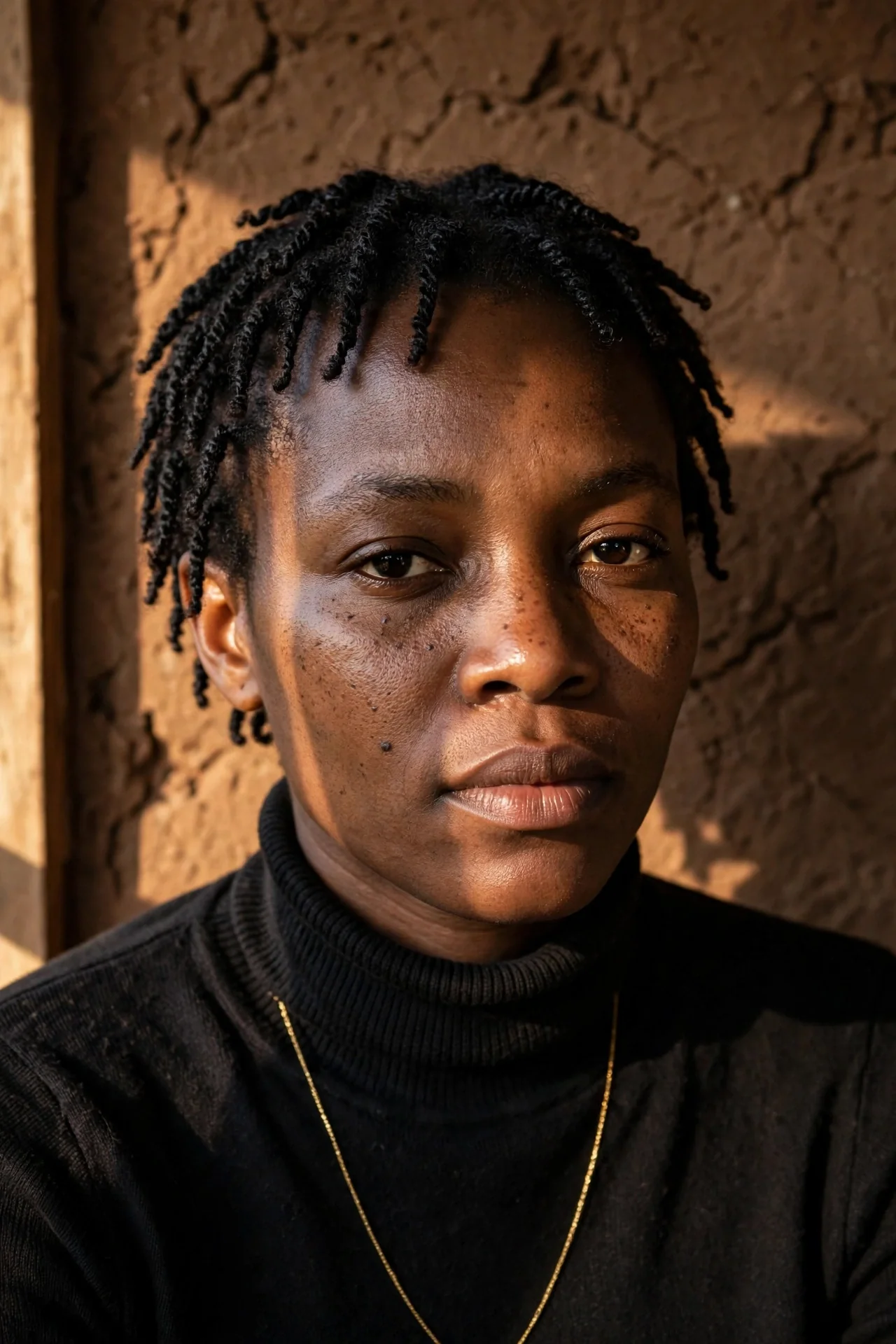
Starter Locs
Beginning your loc journey with coils or twists gives you a defined short style now and a long term commitment later.
Retwisting every four to six weeks is the maintenance rhythm most loctitians recommend. Between appointments, a light oil on the scalp and a satin bonnet at night is genuinely all you need. Starter locs go through a fuzzy phase around month three that catches people off guard. Push through it. The budding stage is where the real texture forms.
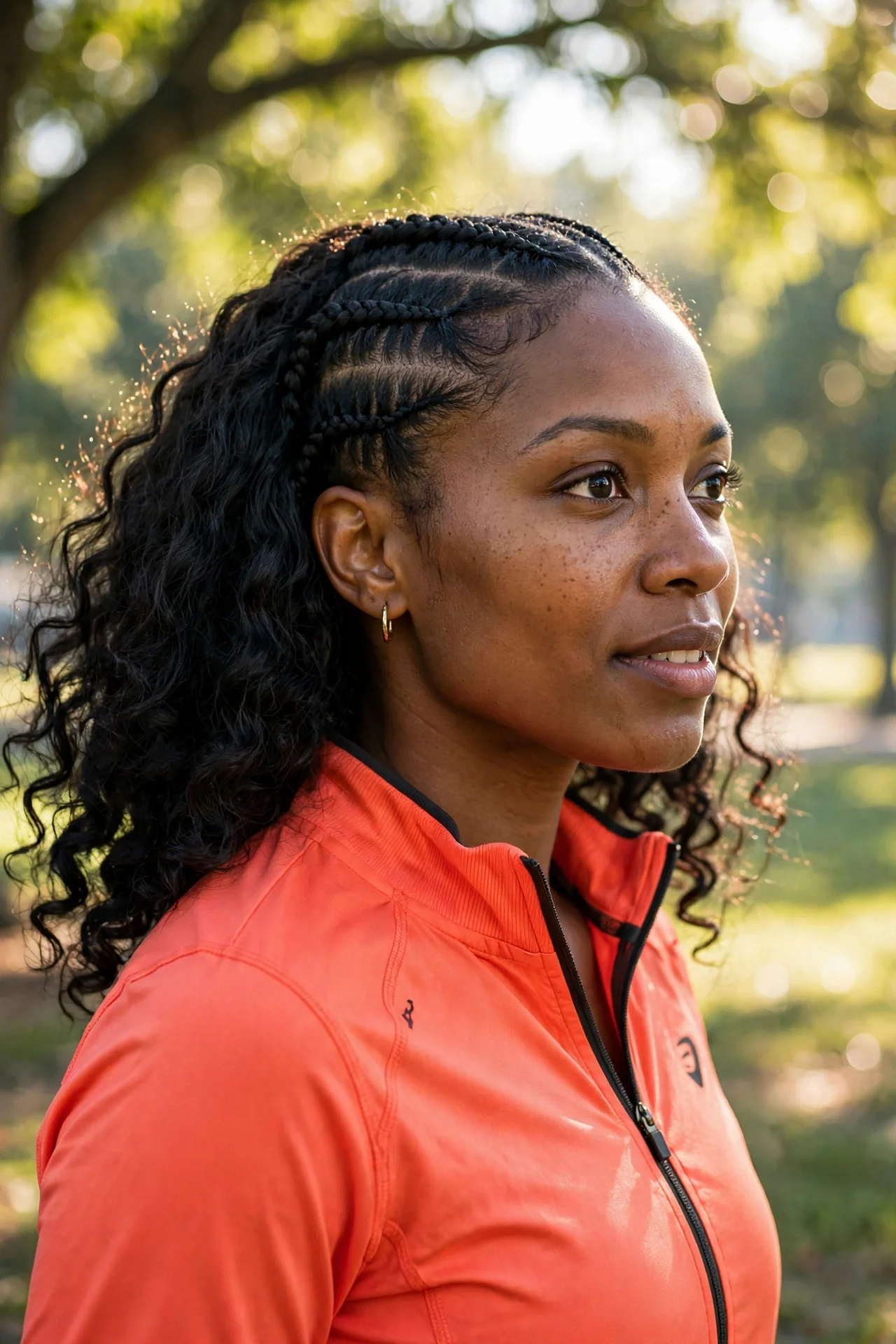
Cornrowed Front, Curly Back
Braiding just the front section and leaving your natural texture loose at the back gives you structure where you want it and softness everywhere else.
Two or three feed in cornrows framing your face take fifteen minutes. The back stays as a wash and go or twist out, so you’re only styling half your head. This hybrid approach is quietly brilliant for anyone with a demanding schedule, and it keeps your hairline protected without committing to a full install.
Statement Short Natural Hairstyles Worth an Extra Ten Minutes
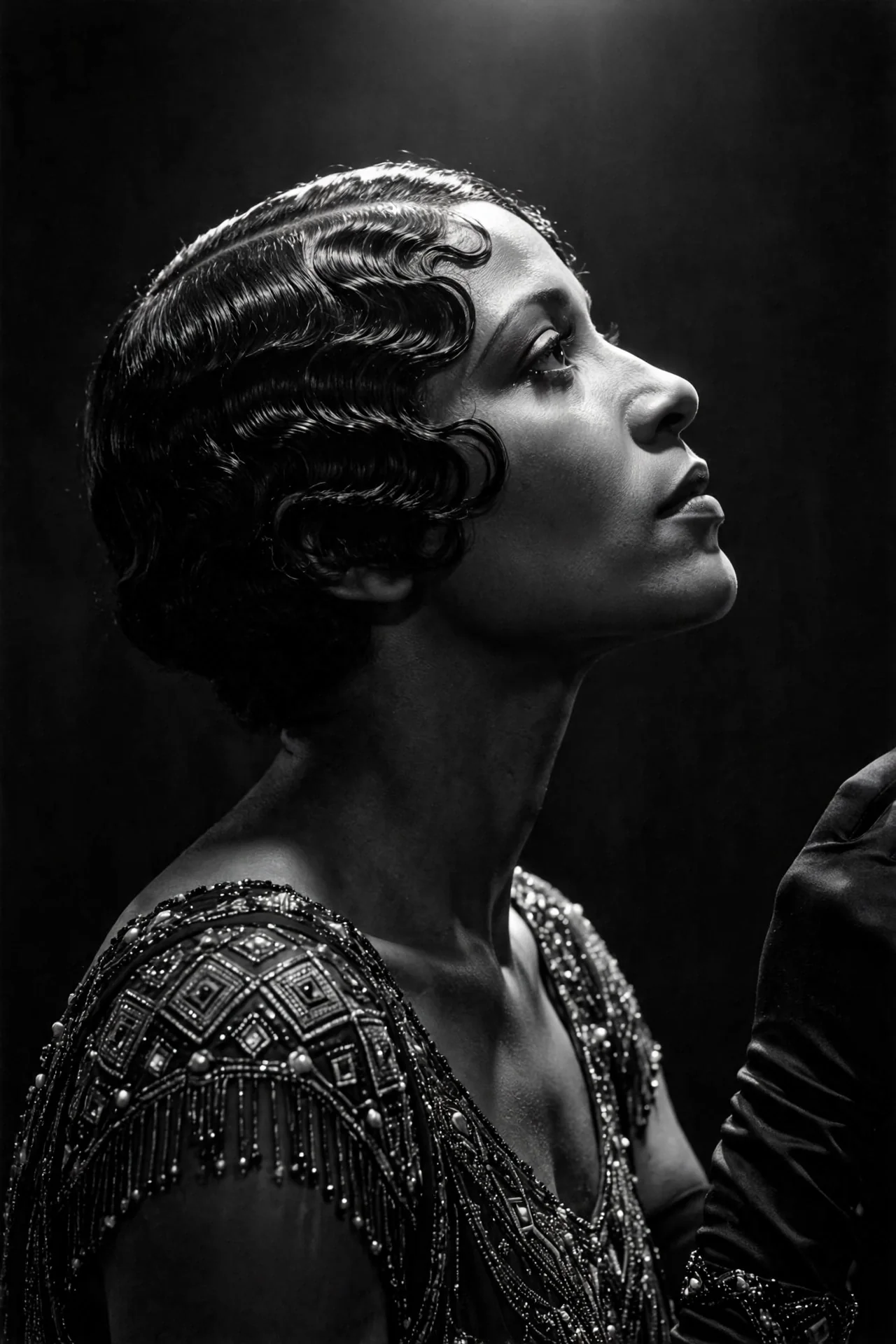
Deep Side Part with Finger Waves
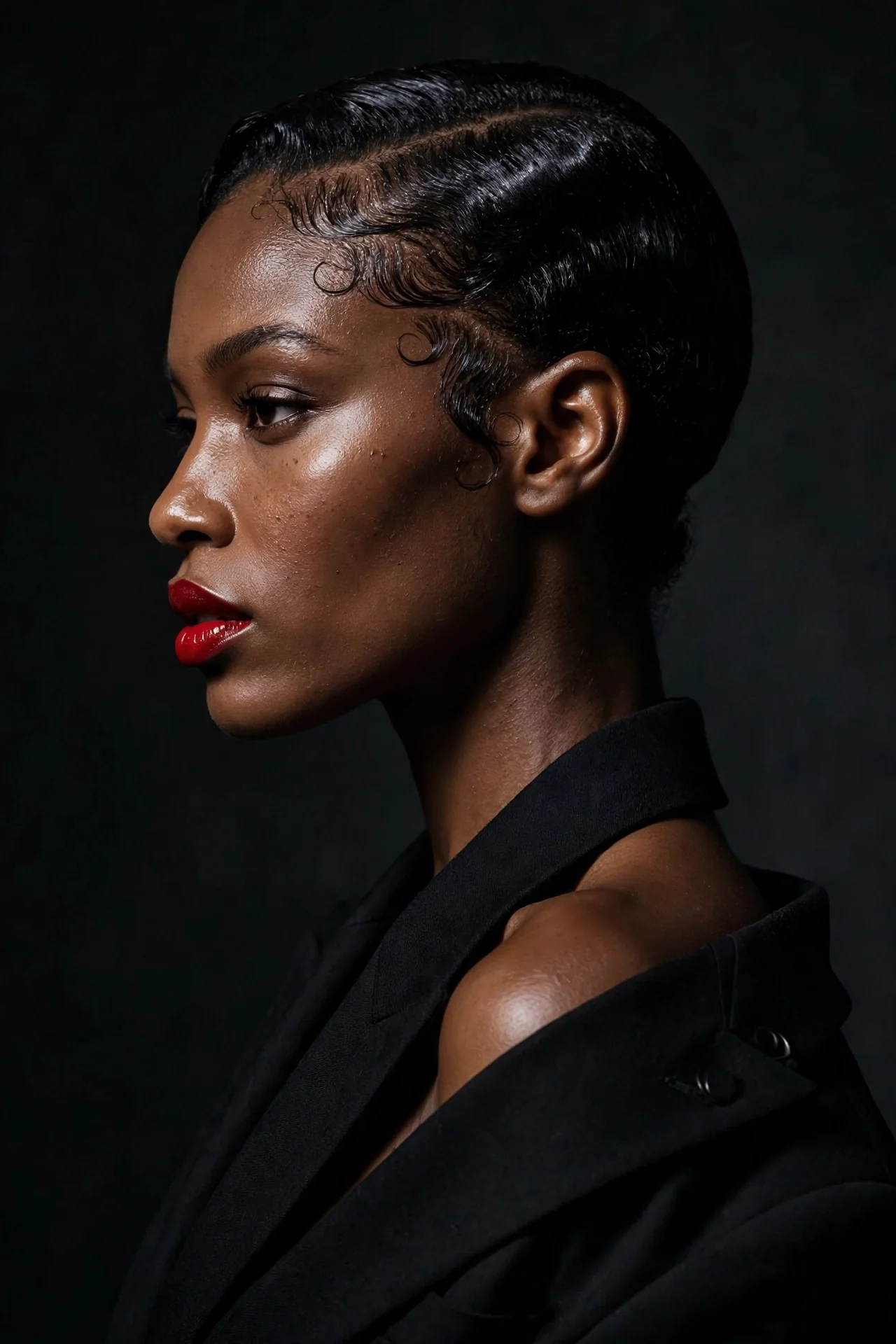
Setting finger waves into short natural hair produces a vintage inspired look with serious glamour, all from gel and a comb.
Work in small sections with a strong hold gel, pressing the wave shape between two fingers and combing the ridge into place. Clip each wave and let it dry completely, ideally under a hooded dryer for thirty minutes. The result lasts three days. Pair it with a bold lip and you’re done.
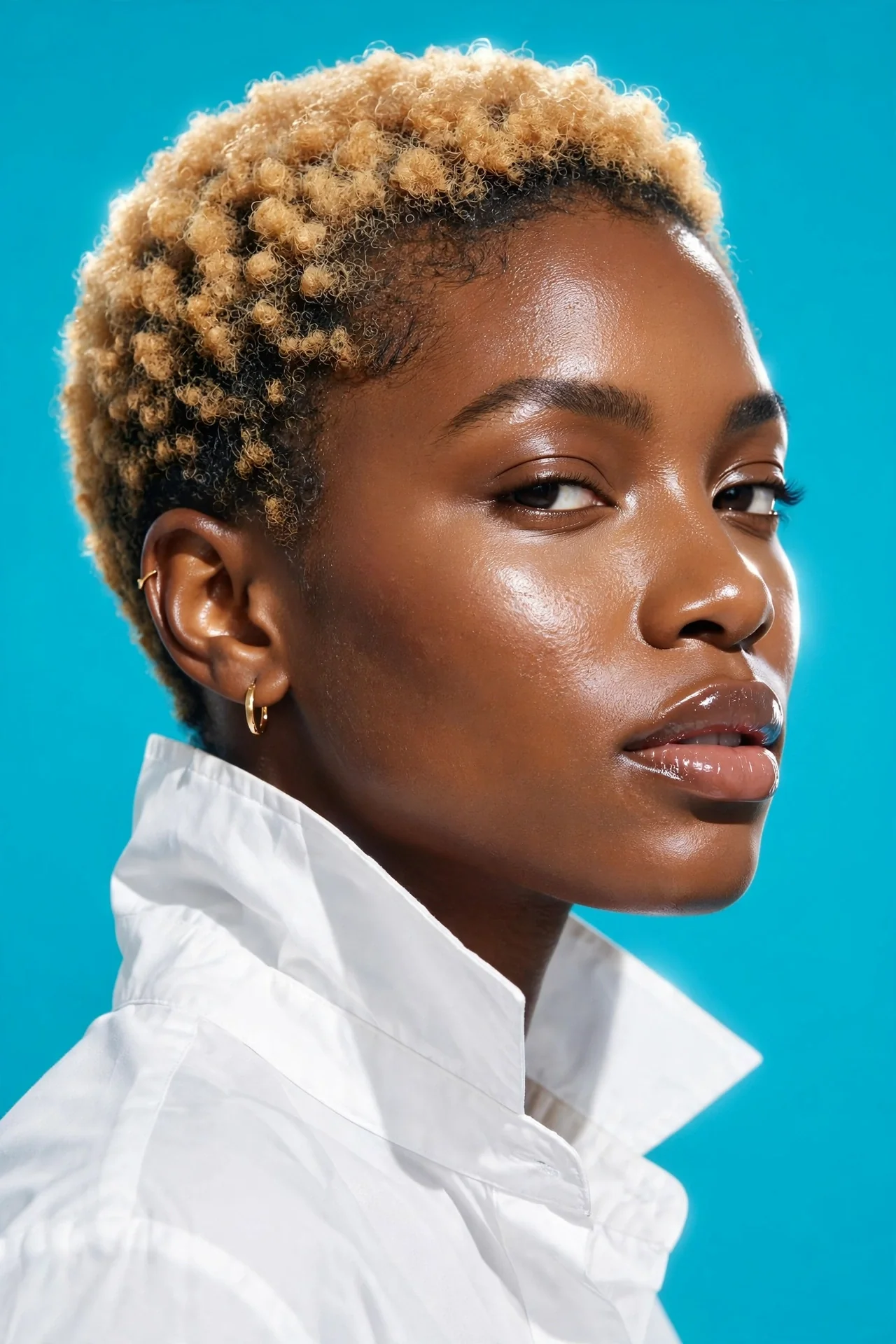
Honey Blonde Color Pop on a Short Crop
Color reads louder on short hair because every strand is visible, which makes a honey blonde or copper crop unbelievably striking.
Warm, earthy tones are having a strong moment right now, with sienna and rust replacing the brighter coppers of previous years. Go to a colorist who works with textured hair specifically, since lifting coily hair requires careful bond protection. Follow up with protein treatments every few weeks. Colored short natural hair is stunning, but it drinks moisture like nothing else.
Accessorized TWA with a Silk Scarf or Headband
Wrapping a silk scarf, a woven headband or a wide fabric band around your hairline dresses up short hair in literally thirty seconds.
Metallic cuffs, beaded pins and satin wraps all work. On a bad hair day this saves you completely, and on a good one it just adds polish. Silk and satin materials matter more than they seem, because cotton bands pull moisture right out of your hairline. Match the scarf to your outfit and suddenly the whole look feels planned.

Style Comparison at a Glance
| Style | Time Needed | How Long It Lasts | Best For |
|---|---|---|---|
| Wash and Go | 10 minutes | 2 to 4 days | Type 3 to 4A |
| Sponge Twist Curls | 5 minutes | 3 to 5 days | All type 4 |
| Twist Out | 30 min set, 5 min takedown | 3 to 5 days | All textures |
| Bantu Knots | 40 minutes | Up to 2 weeks | Type 4 |
| Mini Twists | 2 to 4 hours | 3 to 4 weeks | All textures |
| Tapered TWA | 5 minutes daily | Cut lasts 4 weeks | Type 4 |
| Finger Waves | 45 minutes | 3 days | Type 3 to 4A |
| Short Bob Braids | 3 hours | 2 to 4 weeks | All textures |
What Nobody Tells You About Short Natural Hair
Most listicles stop at the pictures. These are the details that actually determine whether your short cut feels easy or exhausting.
Short Hair Dries Out Faster Than You Expect
Shorter strands lose moisture more quickly, particularly if your hair is low porosity or tightly coiled. Less length means less protection for the cuticle.
The LOC method solves most of this. Liquid first, which can be plain water, aloe vera juice or a water based leave in. Oil second to seal. Cream last to lock everything down. Some people find LCO works better for their porosity, so try both orders and see which one leaves your hair soft the next morning instead of crispy. Keep a spray bottle nearby and mist daily. Weekly deep conditioning is non negotiable on short natural hair, not optional.
Trim Frequency Changes Everything
Here’s the trade off people discover too late: the shorter your cut, the more often it needs shaping.
A TWA loses its rounded silhouette in about three weeks. A tapered cut blurs at four to six. Fades need attention every two. If you genuinely want the lowest maintenance option available, a slightly longer tapered shape or mini twists will serve you better than a razor sharp crop. Nobody mentions this before the big chop, and then people wonder why their “easy” cut requires a salon visit monthly.
Night Protection When Your Hair Is Too Short to Pineapple
Pineappling requires length. Short natural hair doesn’t have it, so the strategy shifts entirely.
Use a satin bonnet sized properly so it doesn’t slide off, or sleep on a satin pillowcase as backup. Some people flat twist their hair into four sections at night, which preserves definition and doubles as a next day style. Others simply mist lightly and cover. Cotton pillowcases will destroy a wash and go by morning, and that’s not an exaggeration.
Product Build up Happens Faster on Short Cuts
Applying the same amount of product you used at shoulder length will weigh a TWA down within days.
Use roughly a quarter of what you think you need. Build up shows up as dullness, itchiness or curls that suddenly won’t clump the way they used to. A clarifying wash every three to four weeks resets things. An apple cider vinegar rinse, one part vinegar to one part water, left on the scalp for fifteen minutes, works as a gentler alternative.
Matching the Cut to Your Face Shape
Volume placement is the whole game with short hair, because there’s nowhere for a bad shape to hide.
| Face Shape | What Works | What to Avoid |
|---|---|---|
| Round | Height at the crown, tapered sides | Wide, uniform volume |
| Oval | Almost anything, including blunt shapes | Very little restriction |
| Square | Soft curly pixie, rounded silhouettes | Hard geometric lines |
| Heart | Fullness at the jaw, side parts | Excessive crown height |
| Long | Wider sides, low volume on top | Tall frohawks and high tops |
Bring photos to your appointment. Describing a shape verbally almost never lands the way you imagined it.
Final Thoughts
Short natural hair rewards you in ways longer styles simply cannot. Wash day drops from three hours to forty five minutes. Products last twice as long. Your face becomes the focal point instead of your hair, and there’s real confidence in that. The 24 styles here span every effort level, from a five minute sponge curl set to a full mini twist install, so there’s genuinely something for whatever week you’re having.
Start with one. Pick the style that matches your actual routine, not the one that looks most impressive on someone else’s head. Nail your moisture routine, protect your hair at night, book your trims before you need them, and short natural hair stops feeling like a compromise and starts feeling like the easiest decision you ever made.
Frequently Asked Questions
How do I keep short natural hair moisturized every day?
Mist your hair with water or a water based leave in each morning, then seal with a light oil and a small amount of cream. Short strands dry out fast, so daily moisture matters more than it did at longer lengths. Deep condition weekly.
How often should short natural hair be trimmed?
TWAs and fades need shaping every two to four weeks to hold their silhouette. Tapered cuts stretch to six weeks comfortably. If you want fewer salon visits, choose a softer tapered shape over a precise crop, since it grows out far more gracefully.
Can I do a twist out on very short hair?
Absolutely. Six to ten twists cover most short cuts, and shorter twists actually set faster than long ones. Use damp hair, apply cream and oil to each section, and sleep in a satin bonnet. Unravel with oiled fingers to keep frizz down.
Is short natural hair really low maintenance?
Daily styling time drops significantly, often to under ten minutes. Trim frequency goes up though, and moisture routines become more important. So the effort shifts rather than disappearing entirely, which most people find to be a very worthwhile trade.