25 Butterfly Haircut Ideas for 2026 (Long, Medium, Short, and Curly)
If your hair has felt flat for a while, a butterfly haircut might be the fix you have been putting off. It is a heavily layered cut that fans out from the crown, and it works on long, medium, and short hair alike. This guide has 25 real variations to choose from, plus the styling routine, maintenance schedule, and salon-consultation script most articles skip entirely.
What Is a Butterfly Haircut?
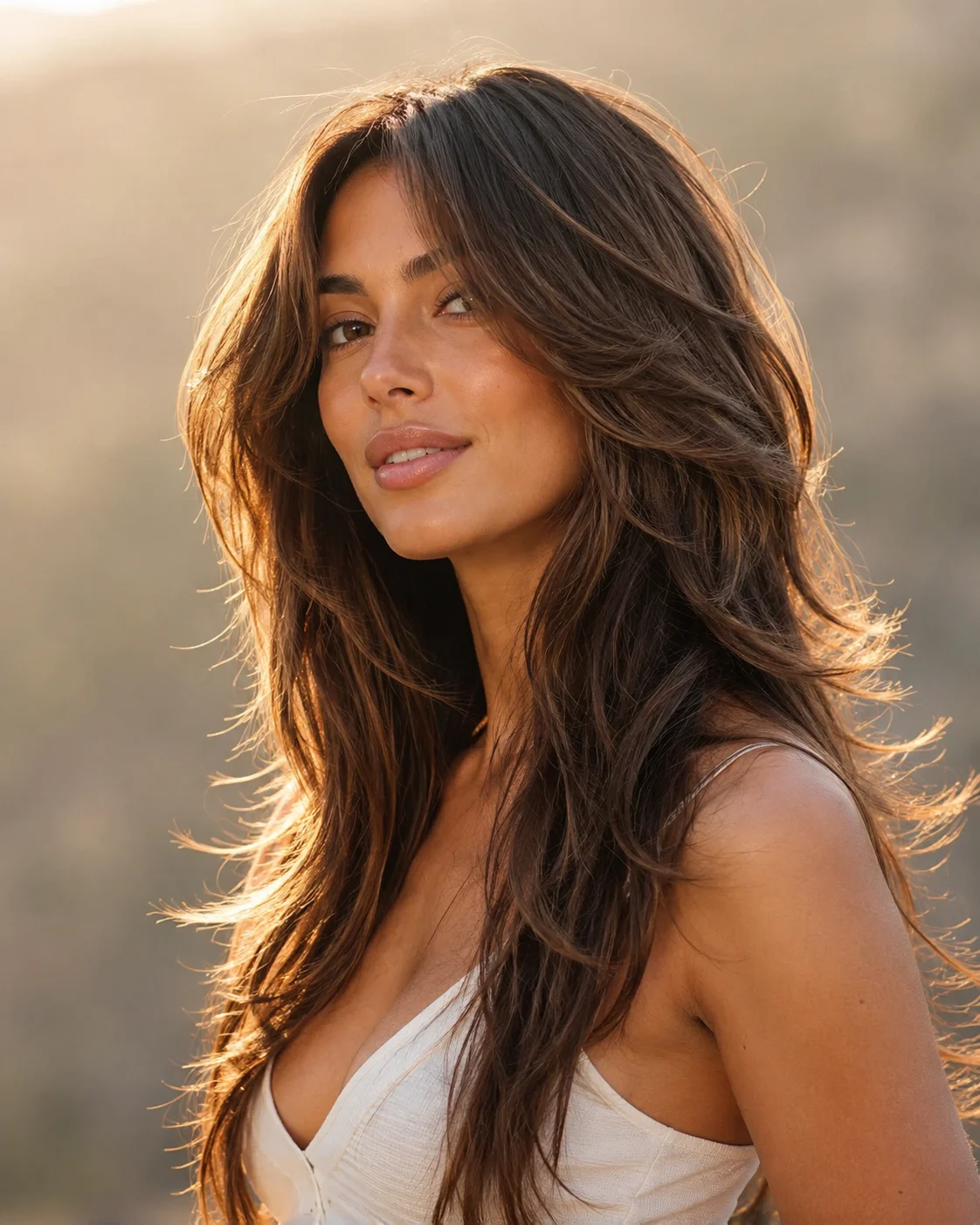
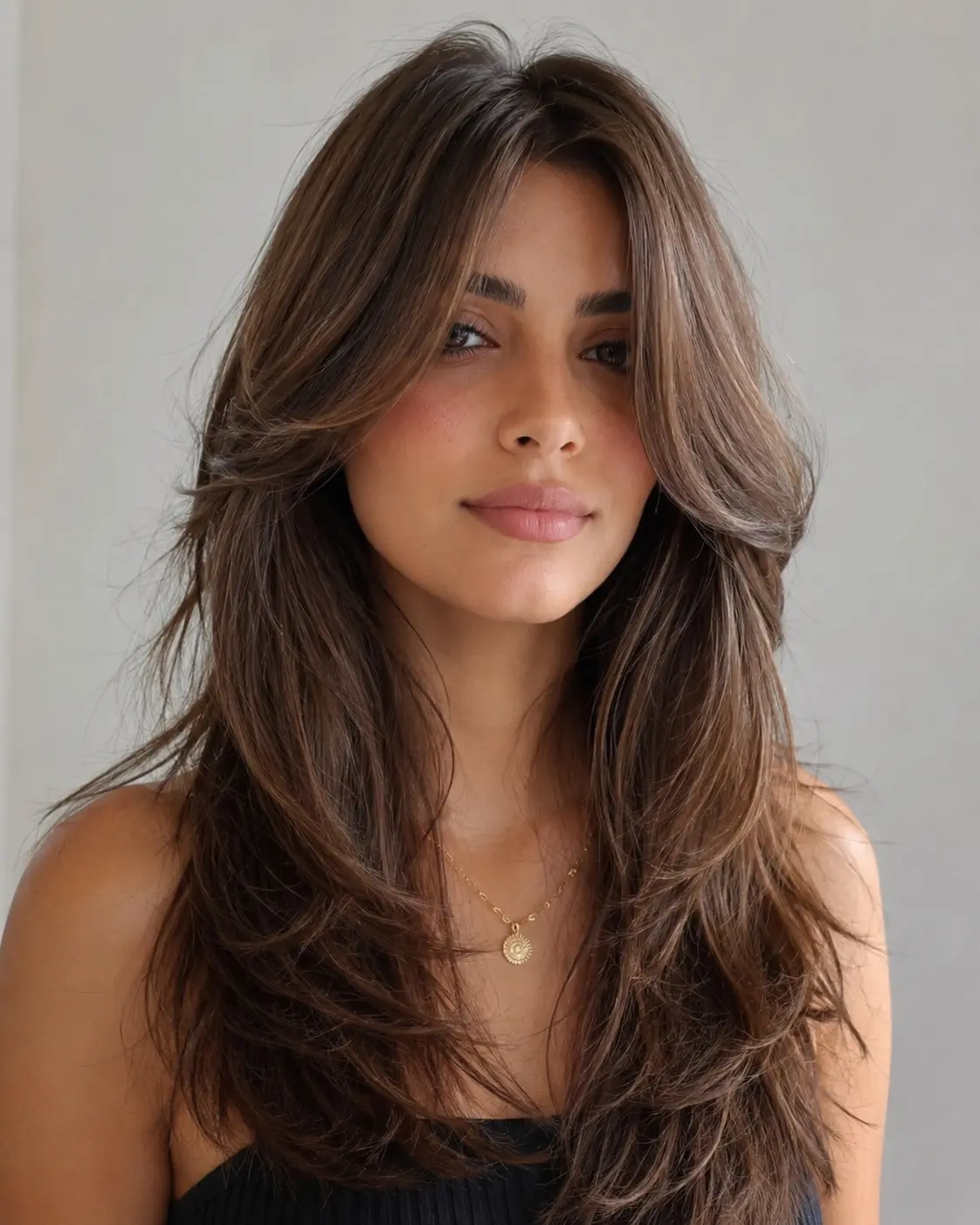
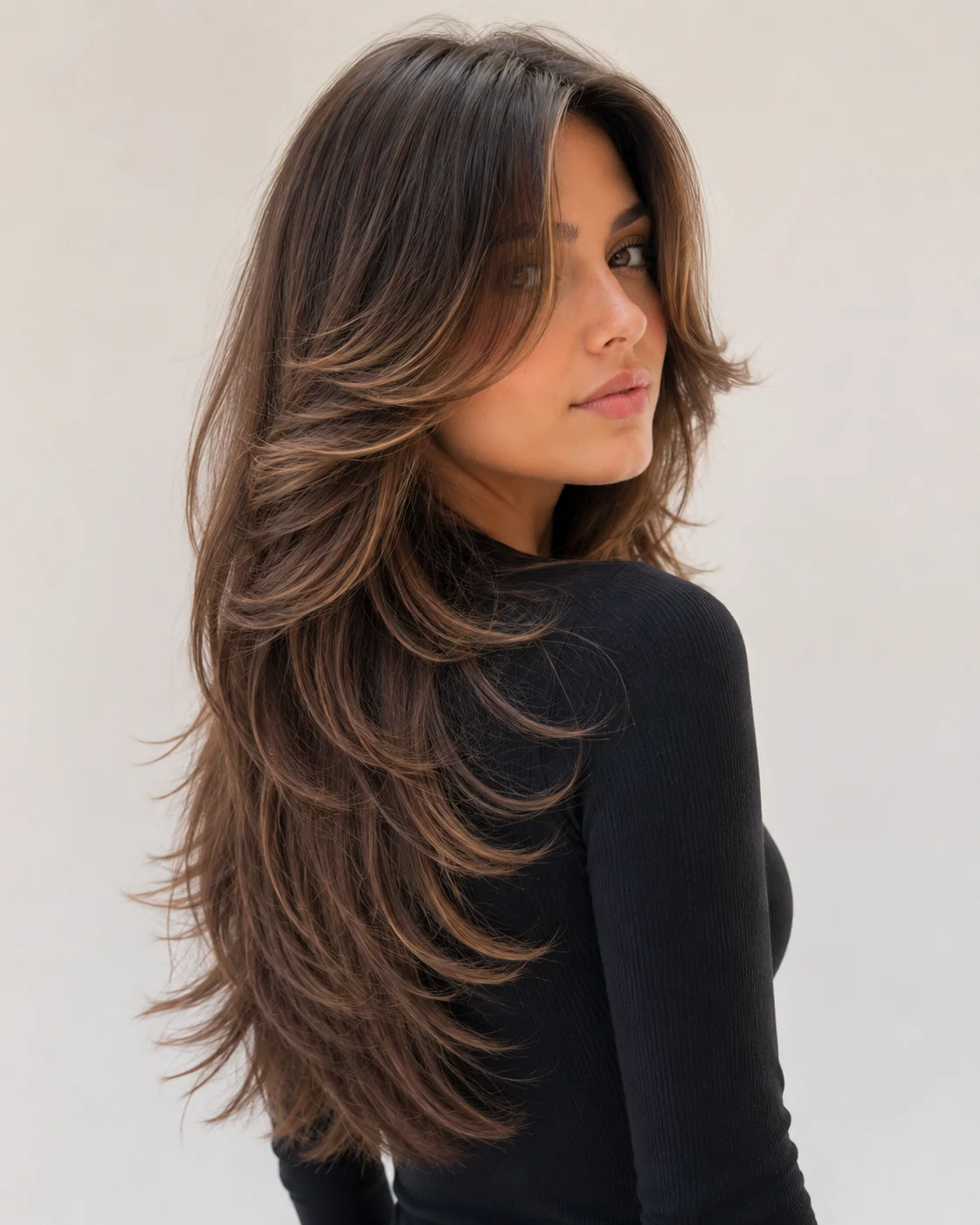
A butterfly cut layers your hair in two zones. Short, face-framing pieces sit up top, around the cheekbones or chin. Longer, uncut layers stay underneath. When you blow-dry or air-dry the top pieces, they lift and flare outward, and from the front it looks like a pair of wings settling around your face.
The style traces back to the feathered shag cuts of the 1970s. Stylists brought it back a few years ago, and it has stuck around because it works on almost every hair type: straight, wavy, curly, thick, or fine. The main trade-off is that it needs some regular styling to look its best. Hair that is left to air-dry without any product tends to look more like ordinary layers than a butterfly shape.
Is a Butterfly Cut Right for You?
- Round or square face: ask for shorter face-framing layers landing near the chin. They add visual length.
- Long or oval face: longer layers starting at the cheekbone keep the shape balanced instead of stretching it further.
- Fine or thin hair: go lighter on the shortest layers. Too much thinning at the top makes fine hair look sparse instead of full.
- Thick or dense hair: this is where a butterfly cut shows off the most. Heavier internal layering removes bulk without losing length.
- Straight hair: needs the most styling effort, since there is no natural wave to hold the wing shape.
- Wavy or curly hair: the cut practically styles itself, since natural texture does most of the work.
Butterfly Haircut Ideas for 2026
Long Hair Butterfly Cuts
Classic Long Butterfly with Face-Framing Layers This is the original version most people picture. Length stays past the shoulders, and the shortest layers start around the cheekbones, tapering down into longer pieces at the back. It is a safe entry point if you are trying the cut for the first time and don’t want to lose much length.
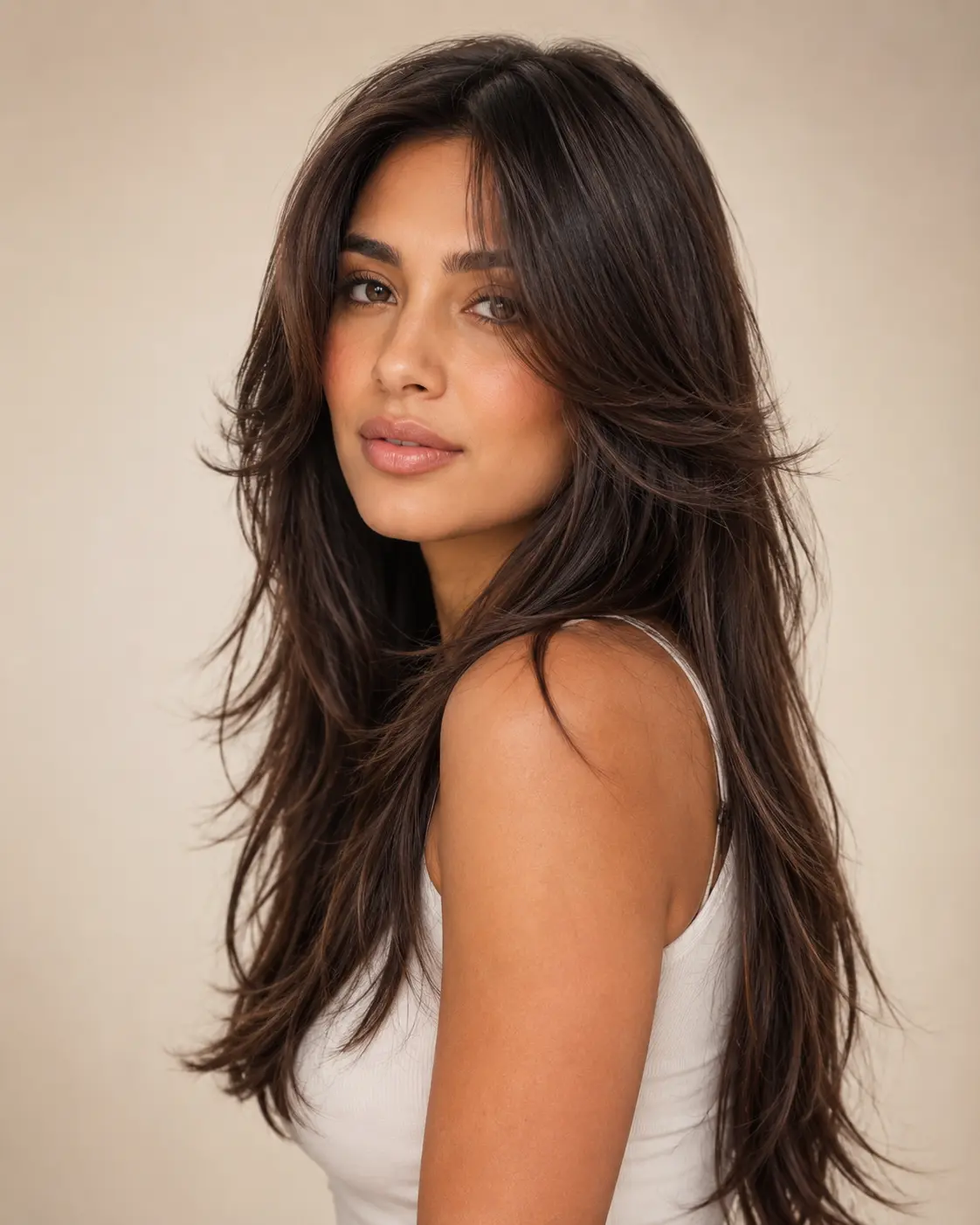
Long Butterfly with a Deep Side Part Same long-layer foundation, but the deep side part shifts more volume to one side and gives the wing effect an asymmetrical lean. Works especially well if you part your hair the same way every day already.
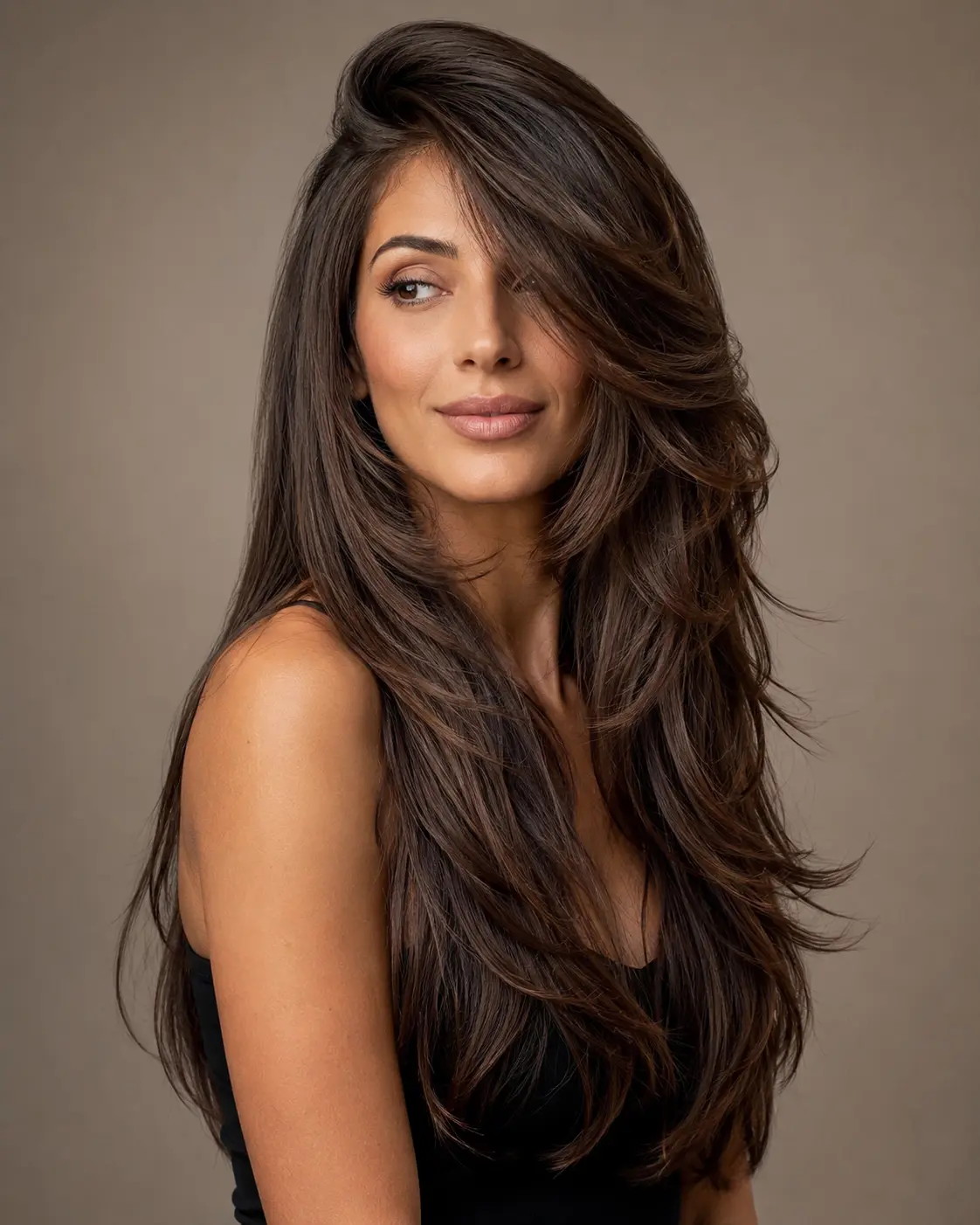
Long Butterfly with Beachy Waves Loose waves running through the layers make the wing shape read even more clearly, since the bend in each wave catches the light differently at each layer length. Best styled with a large-barrel curling iron and a light sea-salt spray.
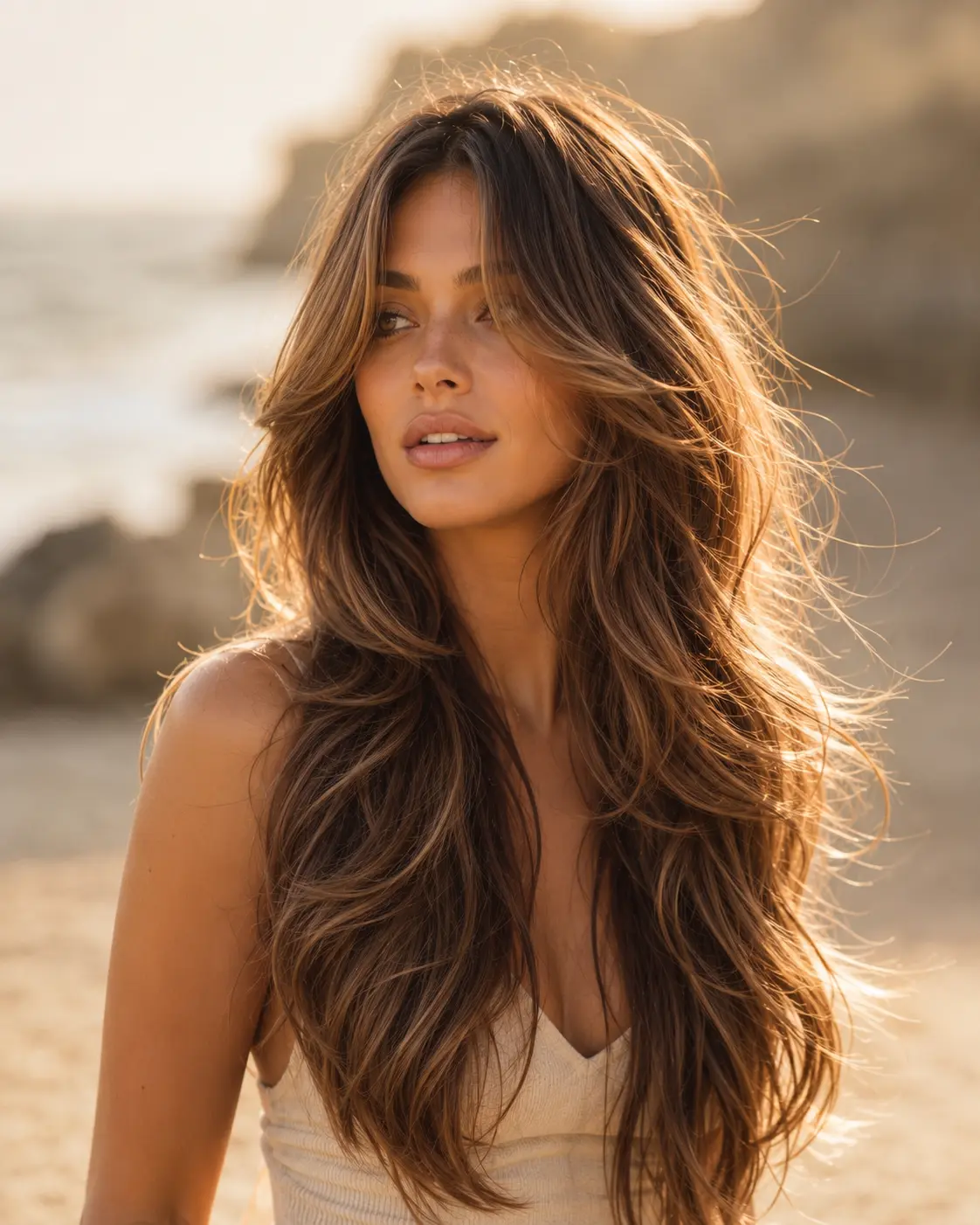
Long Butterfly with a Money Piece A bold face-framing highlight, usually two to three shades lighter than the base color, placed right where the shortest layer falls. It draws the eye straight to the layering and photographs well for Pinterest and Instagram both.
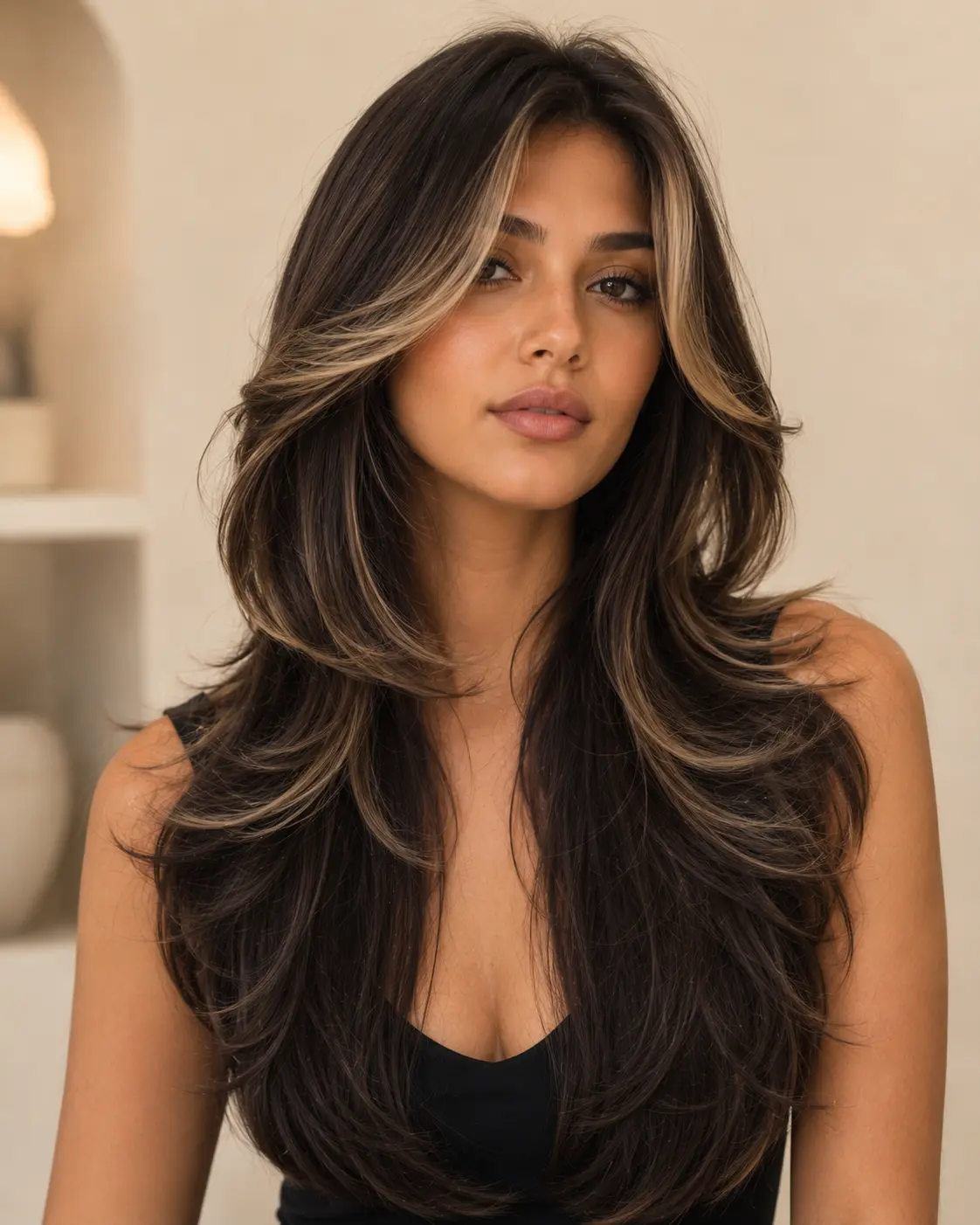
Long Butterfly for Thick, Dense Hair Heavier internal slide-cutting removes bulk from the mid-lengths so the ends don’t hang stiff. This version needs a skilled stylist, since uneven layering on thick hair can leave visible steps instead of a smooth blend. Ask your stylist for “point cutting” at the ends if you want extra texture without more length removed.
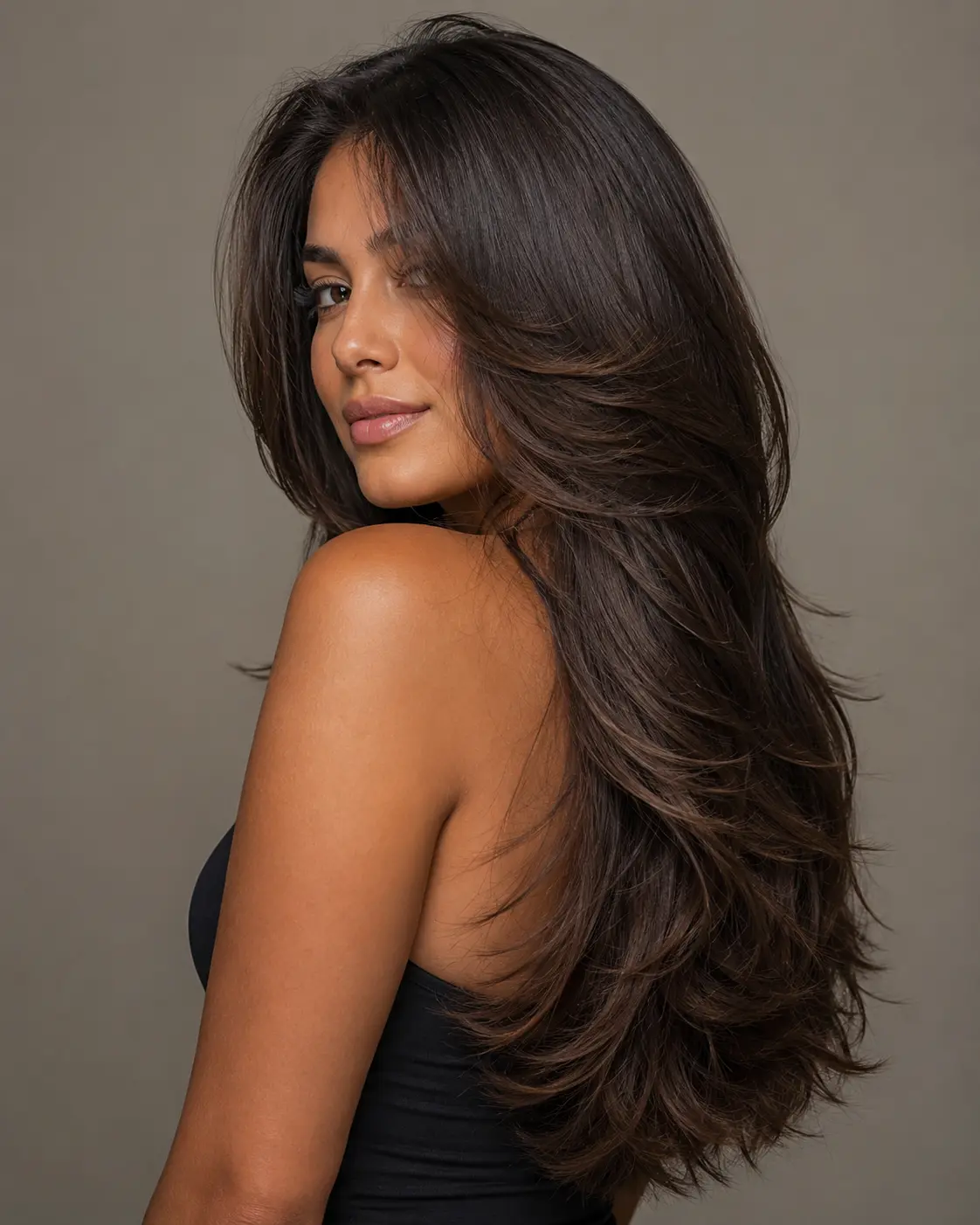
Long Butterfly with Copper or Warm Tones Warm copper or auburn coloring makes each layer length stand out more clearly than a flat single color would, since the light catches the top layers differently than the underneath ones.
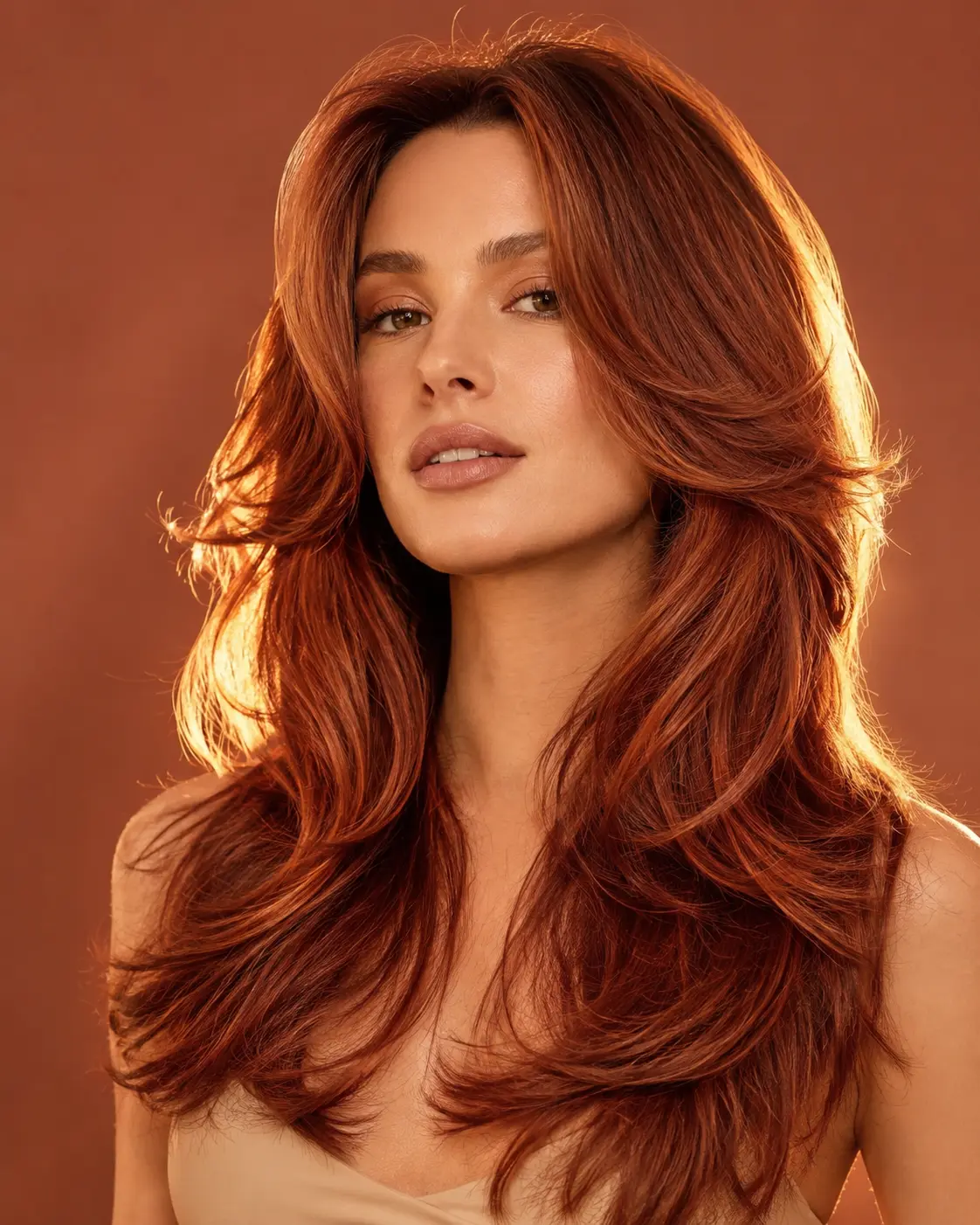
Medium-Length Butterfly Cuts
Shoulder-Length Butterfly The most requested length at most salons right now. It sits right at the shoulder, short enough to feel low-maintenance day to day but still long enough to show off the layering when blown out.
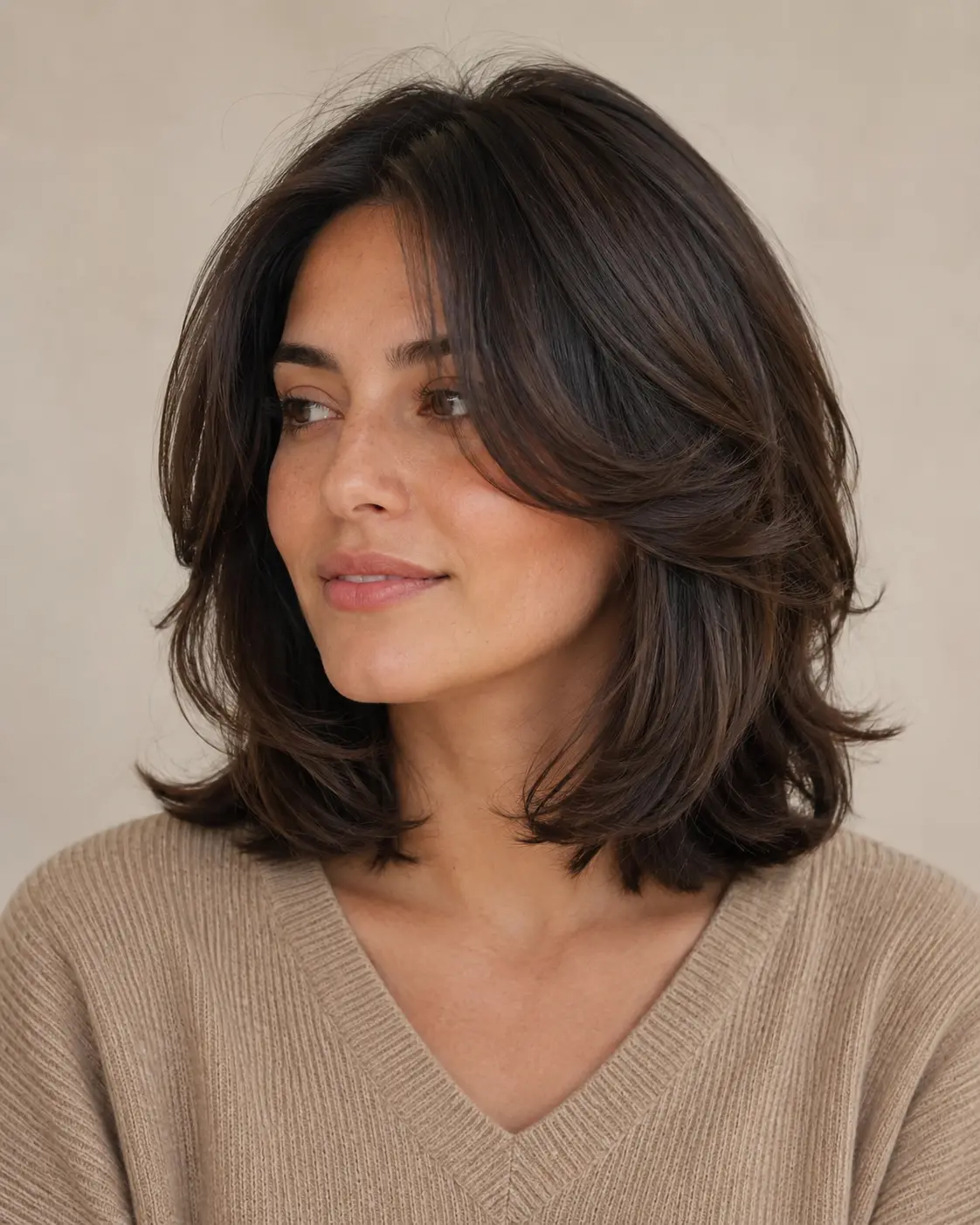
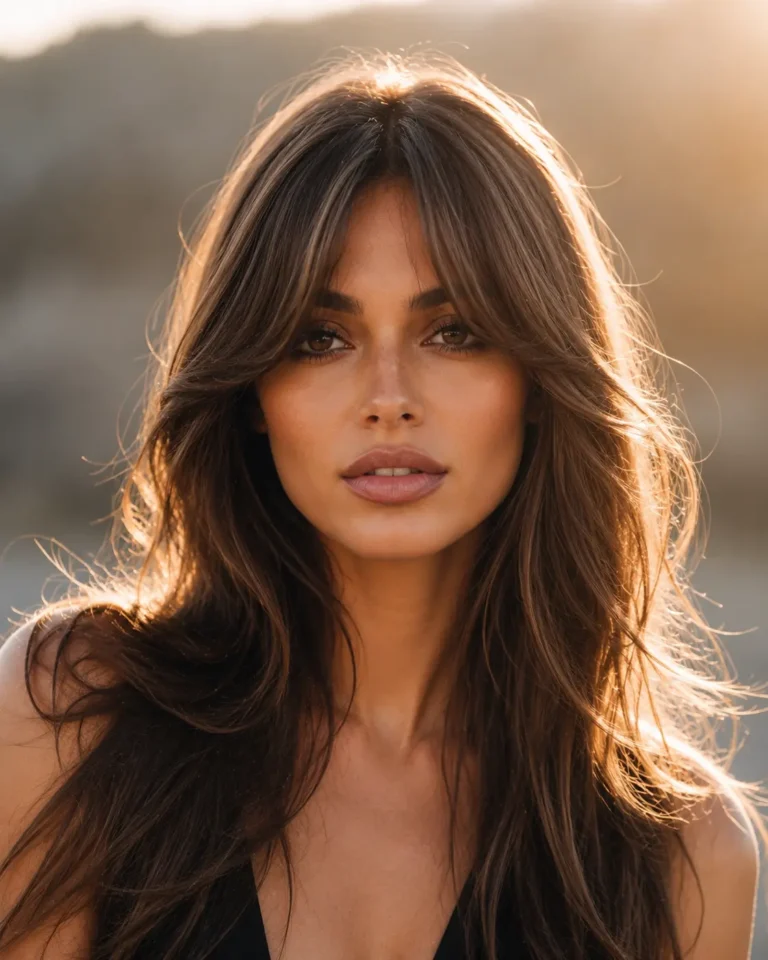
Medium Butterfly with Curtain Bangs Curtain bangs split down the center and sweep to either side, acting as the anchor for the rest of the layers. This combination is one of the most searched butterfly variations because it works on nearly every face shape.
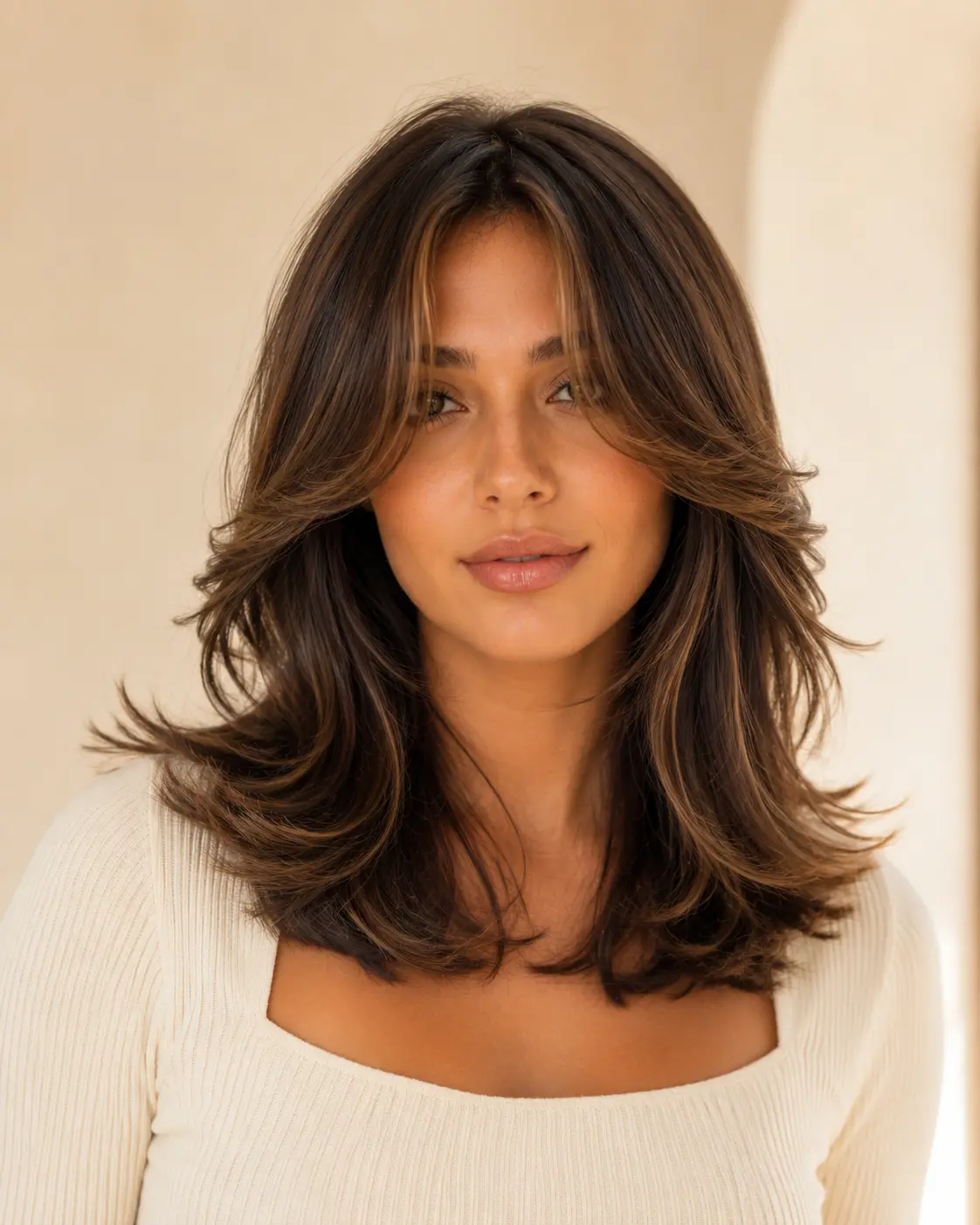
Medium Butterfly for Round Faces Layers are cut to land just below the chin rather than at cheekbone height, which visually elongates a round face instead of adding width at the widest point. Short section, no wrap-up line needed: length below the chin, minimal layering near the jaw, more length kept at the crown.
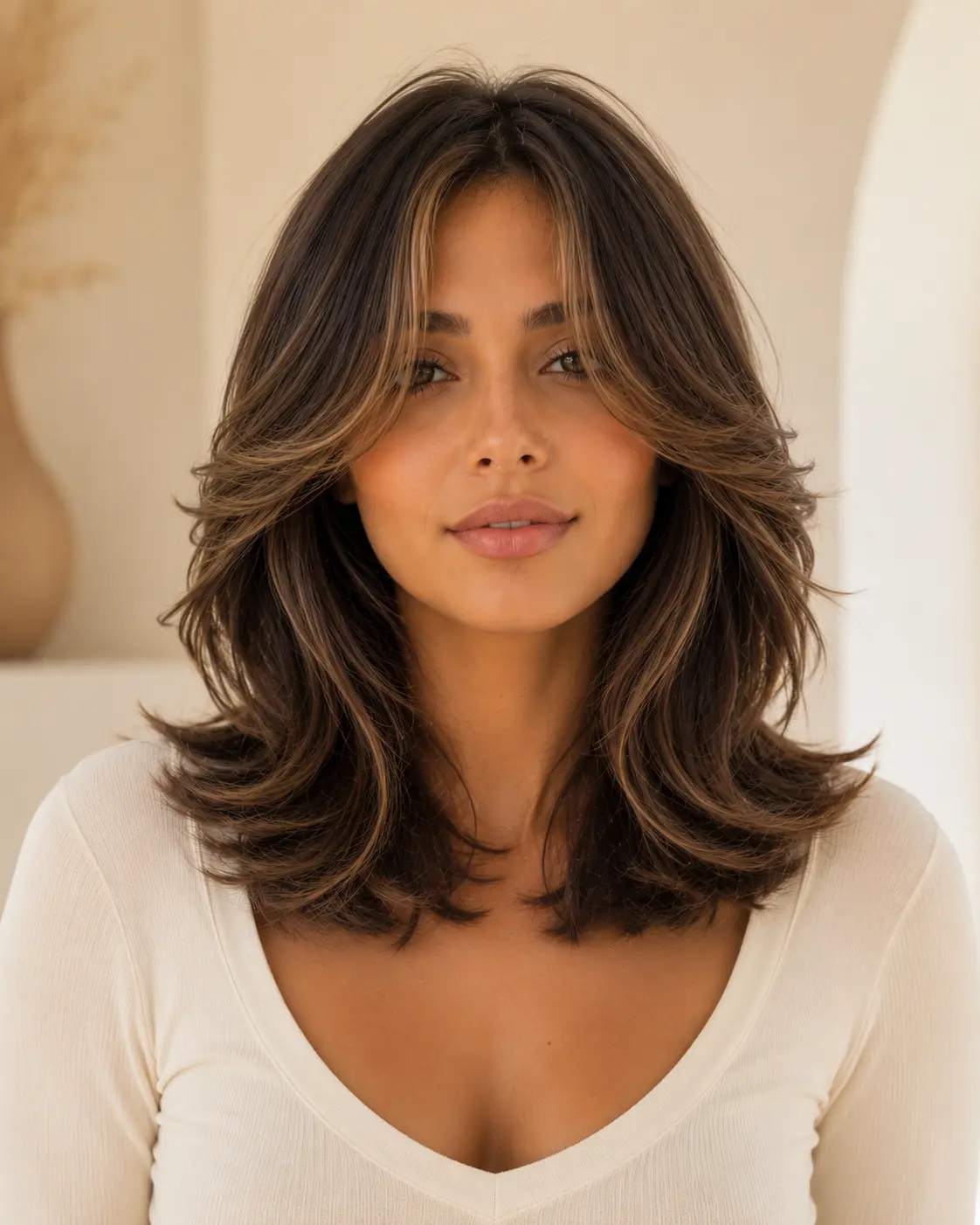
Medium Butterfly with Big Blow-Dried Waves A round brush and a medium-barrel curling iron create large, loose waves through the whole length. This version photographs especially well for Pinterest pins since the wave pattern reads clearly even in a small thumbnail.
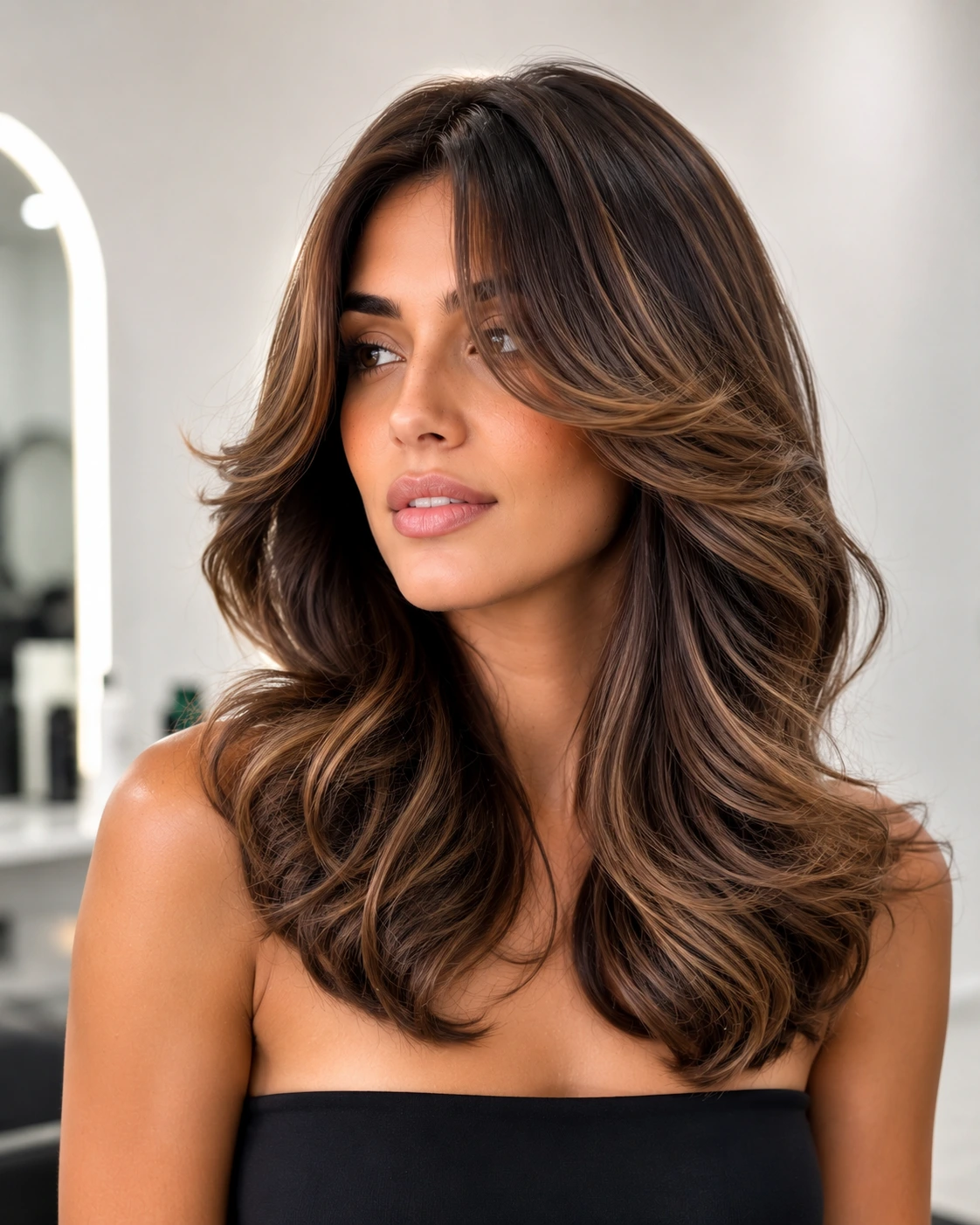
Medium Butterfly with Subtle Balayage Hand-painted highlights placed only through the top layers make the shortest pieces pop against the longer, darker underneath layers. Lower maintenance than a money piece since the color grows out more naturally.
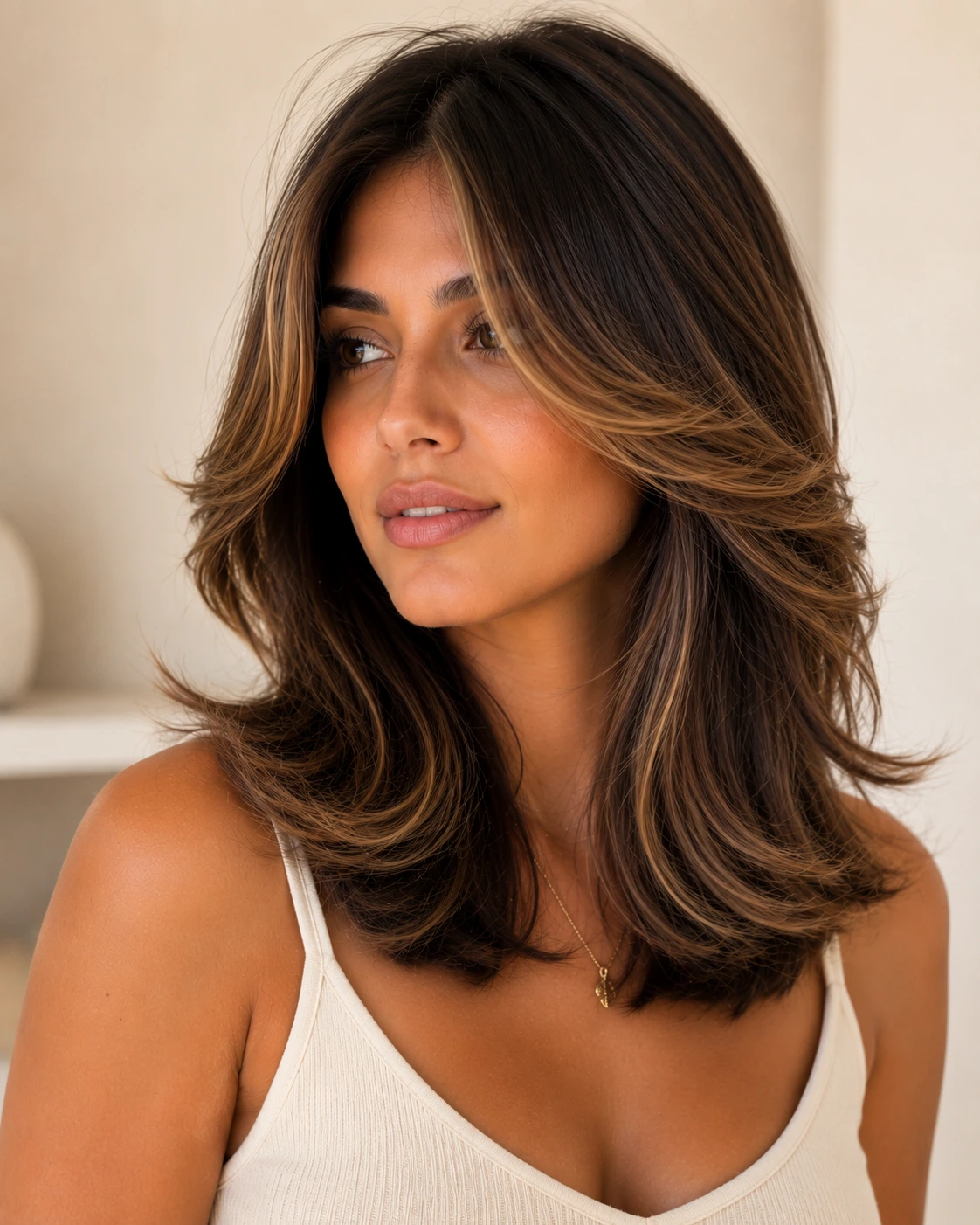
Medium Butterfly with a Blunt-Cut Bottom Instead of feathering every layer to the ends, the very bottom is kept blunt. This gives the style a cleaner, more polished look while still keeping the wing shape near the face.
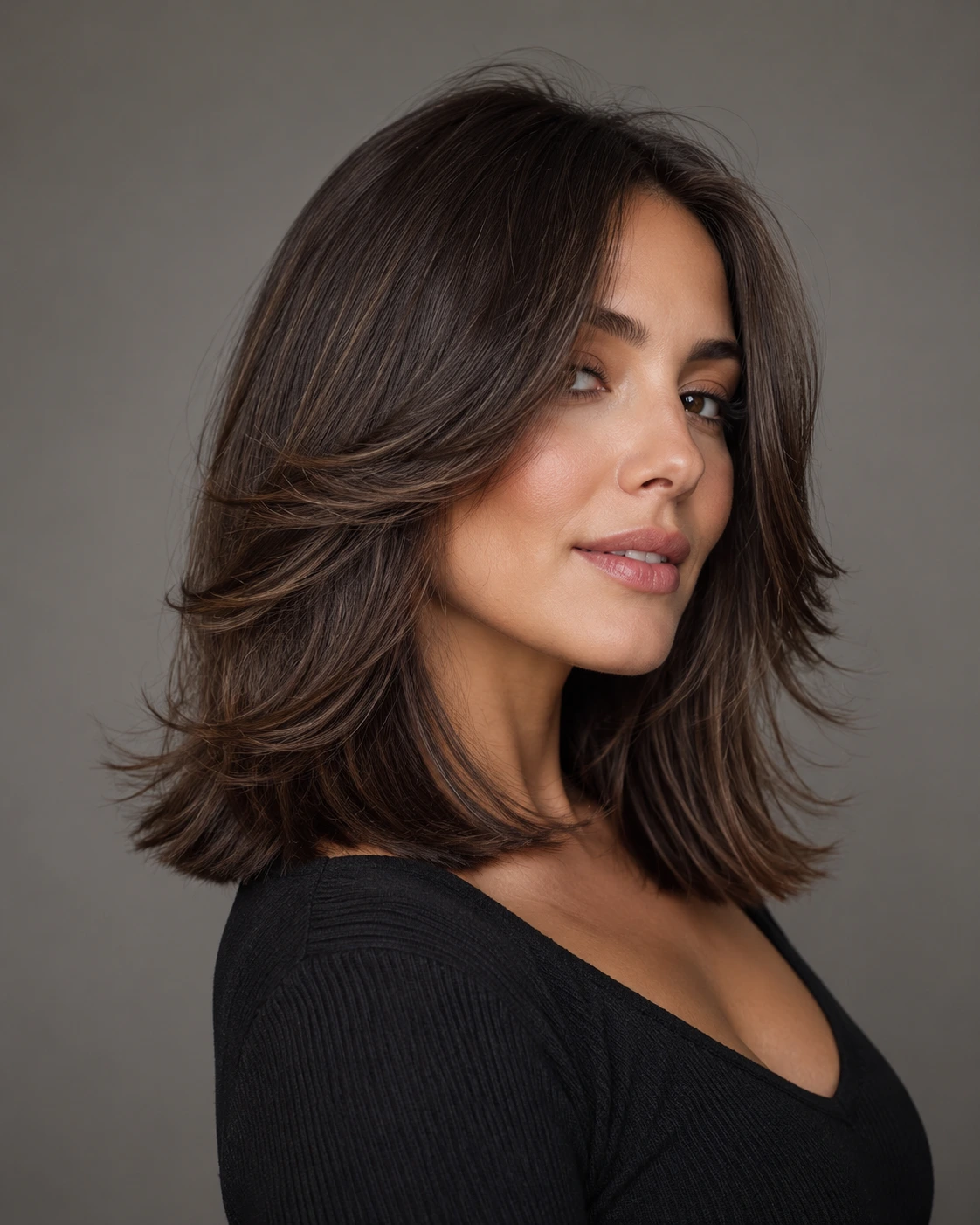
Short Butterfly Cuts
Butterfly Bob A layered bob that hits around the jaw, with the shortest wing layers starting near the cheekbone. Works well on oval, heart, and round face shapes, and needs less daily styling than the longer versions.
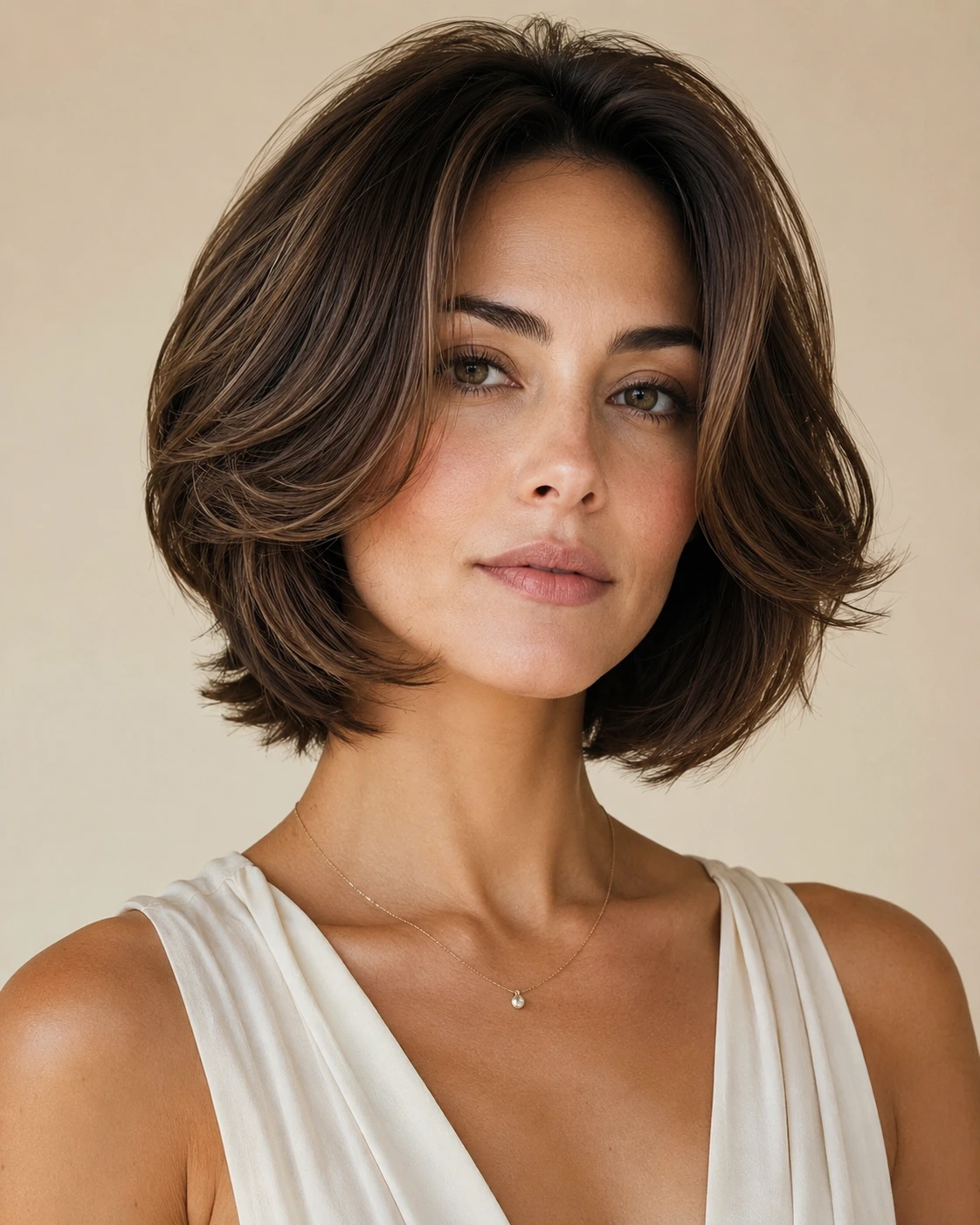
Chin-Length Wispy Butterfly Very short, wispy layers around the chin give this version the most dramatic face-framing effect on the list. It suits a round face particularly well since the wispy ends draw attention upward and away from the jawline.
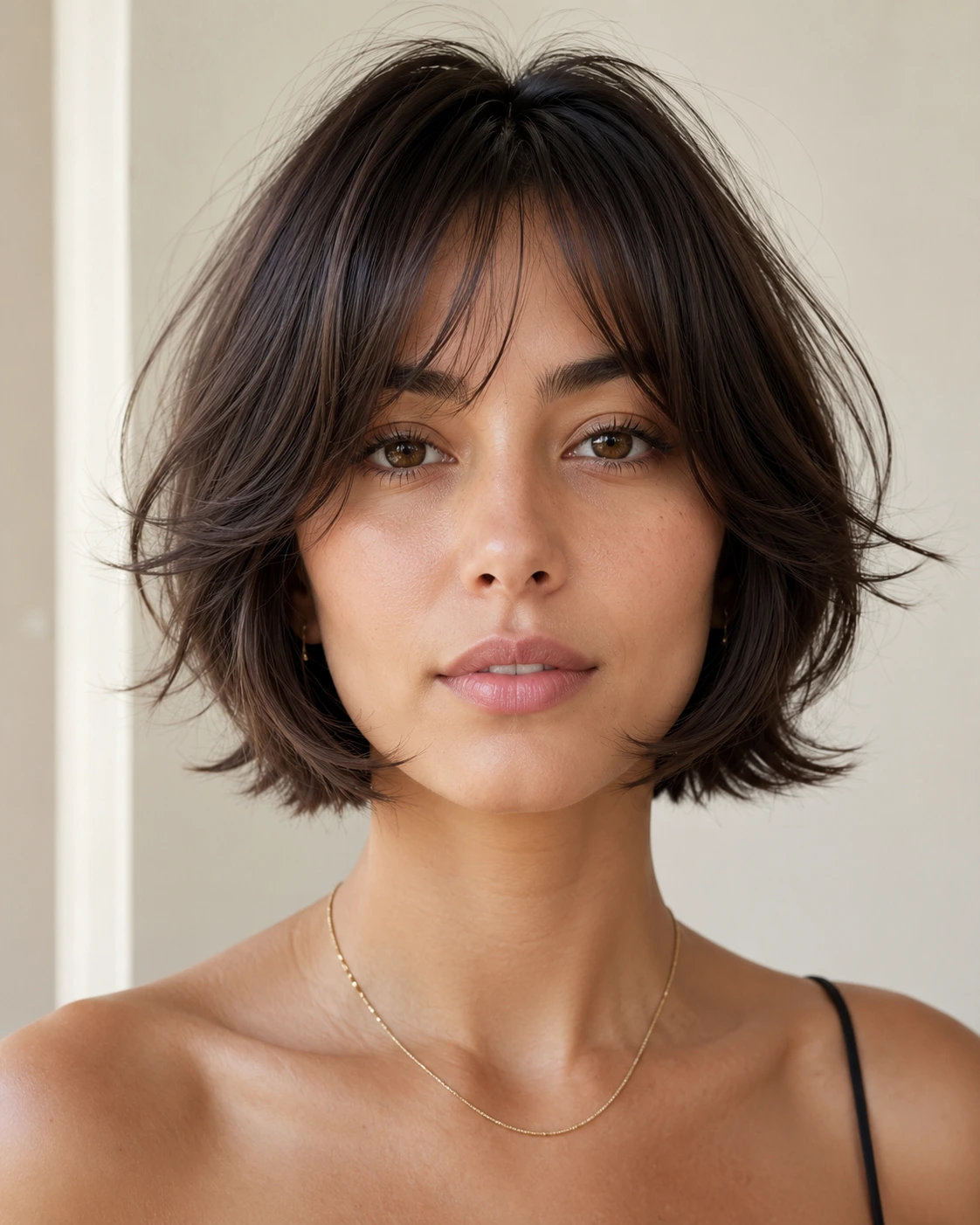
Short Butterfly for Fine Hair Lighter internal layering than the standard cut, since fine hair thins out fast under heavy layering. The shortest pieces stay a bit longer than usual to avoid a sparse look at the crown. Two sentences only here: this is the safest short butterfly option if your hair is naturally thin, and most stylists will recommend it without you having to ask.
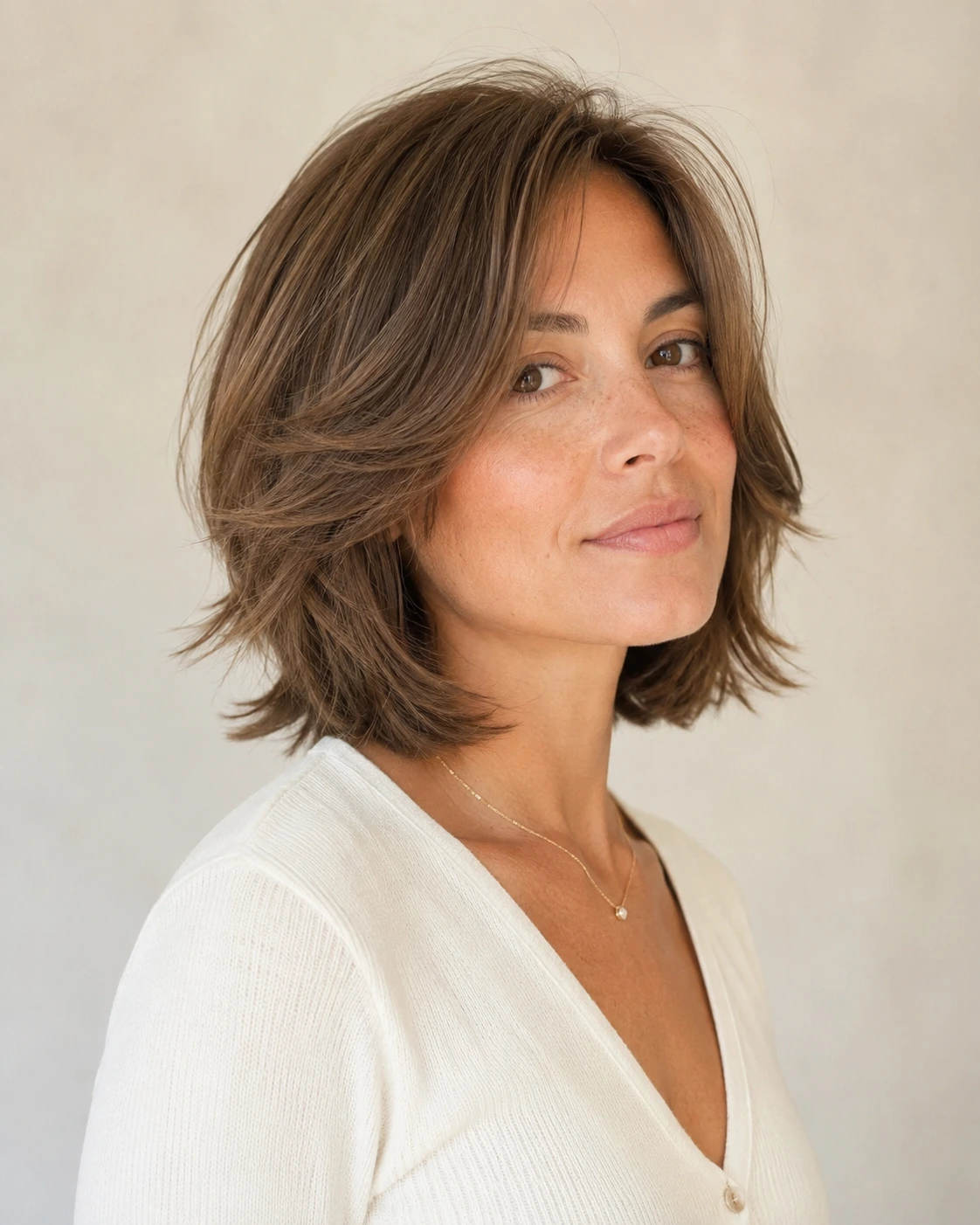
Textured Pixie-Butterfly Hybrid A pixie base with longer, feathered pieces left around the face instead of an all-over buzz. This is the shortest version on this list and works best if you already wear your hair short and want a change in shape rather than length.
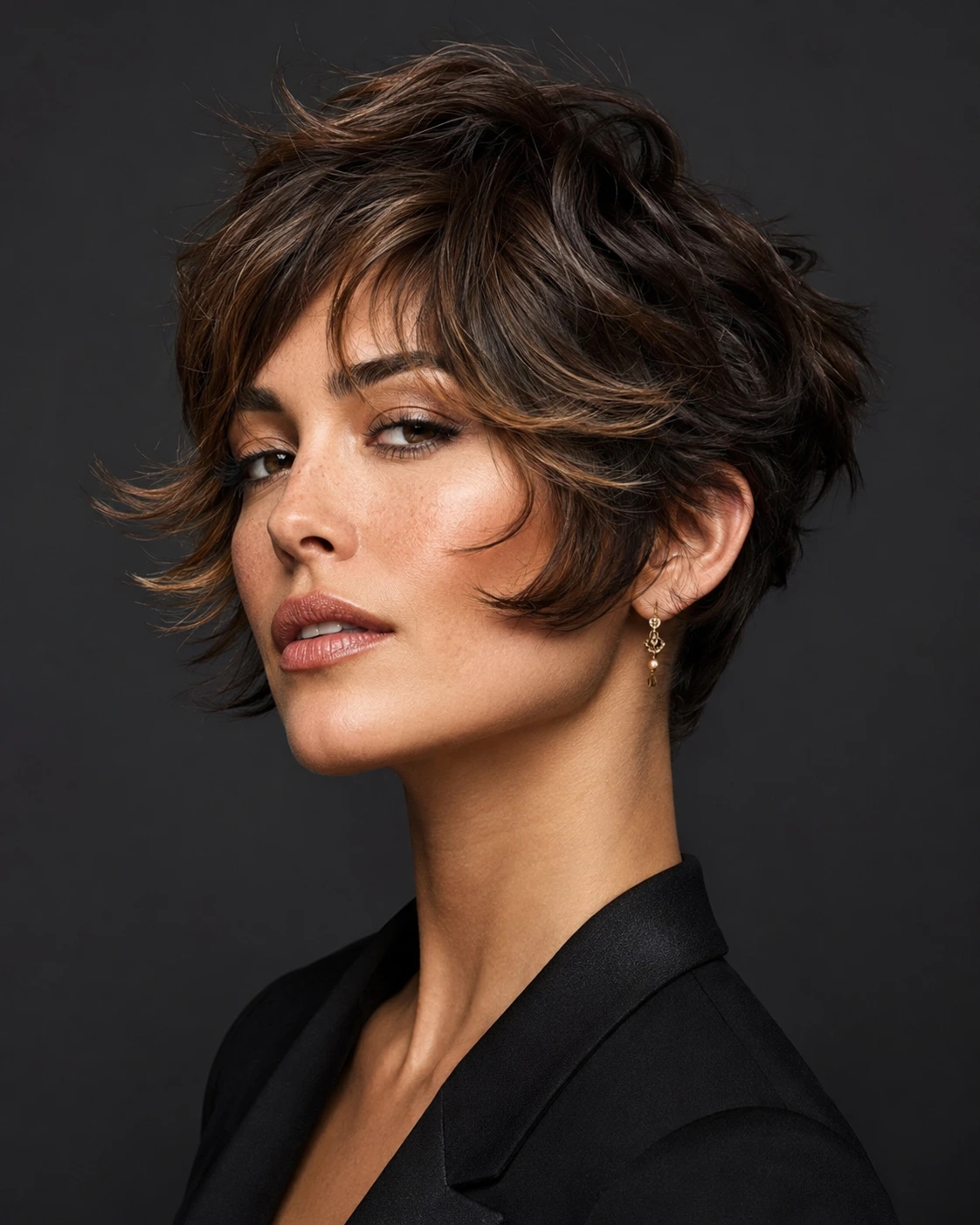
Short Butterfly with Highlighted Layers Highlights placed specifically along the shortest top layers make the wing shape more visible even without much styling. A practical option for anyone who wants the look without a daily blow-dry routine.
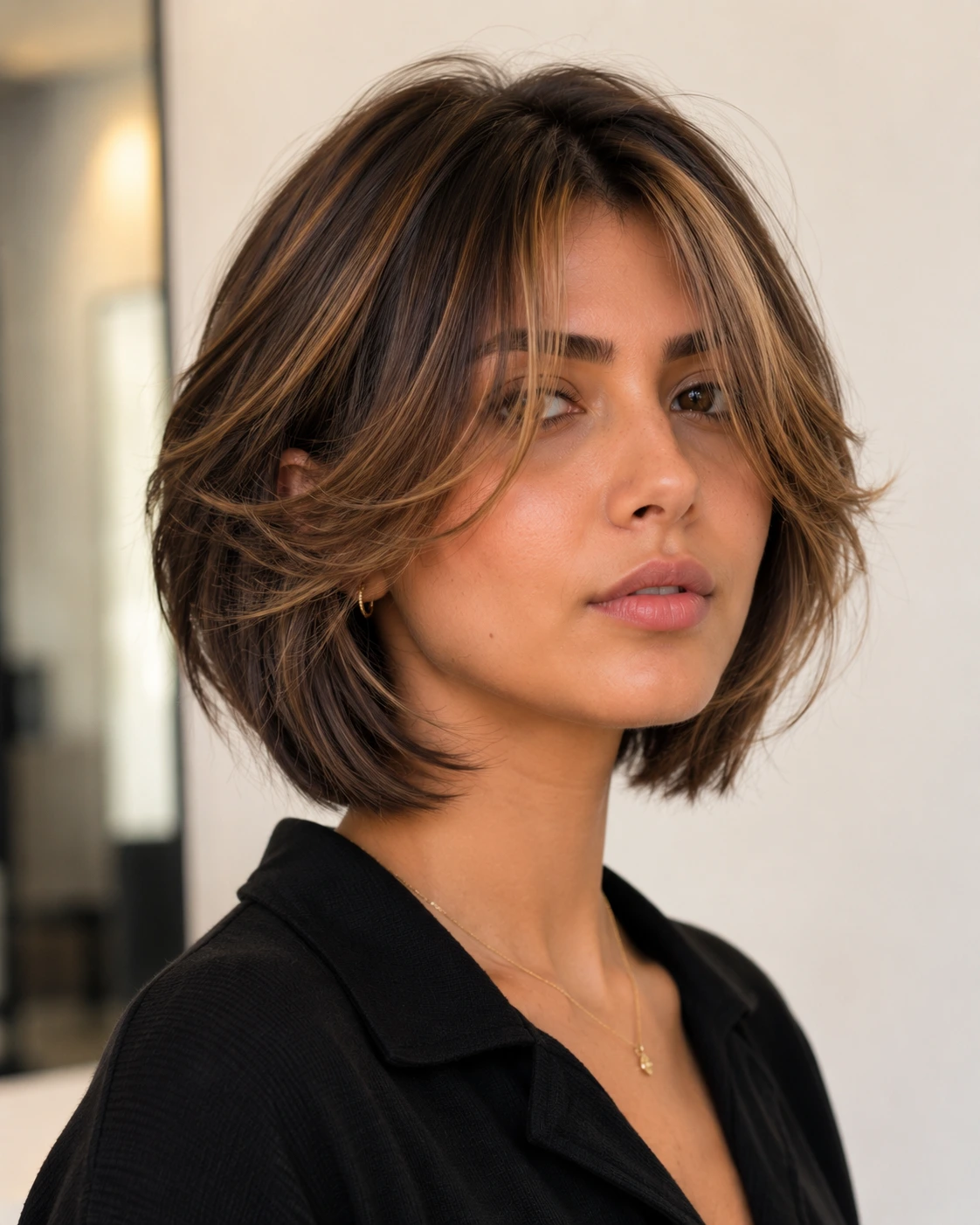
Butterfly Cuts with Bangs
Butterfly with Curtain Bangs Already mentioned for medium hair, but curtain bangs work just as well on long or short butterfly cuts. They blend directly into the shortest layer, so there is no harsh line between bangs and the rest of the hair.
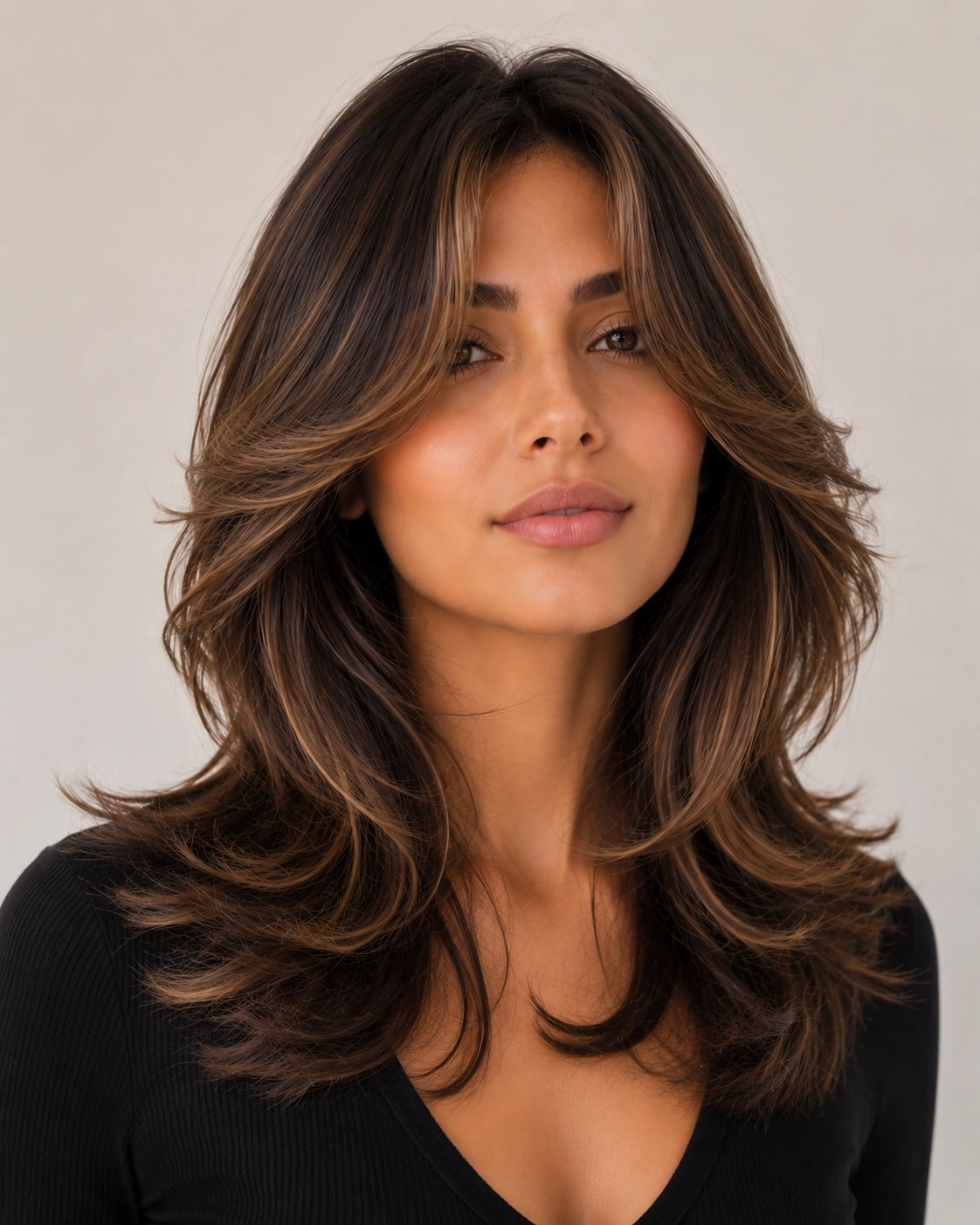
Butterfly with Wispy Fringe A thinner, lighter fringe than full curtain bangs. It sits just above the eyebrows and moves easily, which makes it a lower-commitment option if you are nervous about bangs in general.
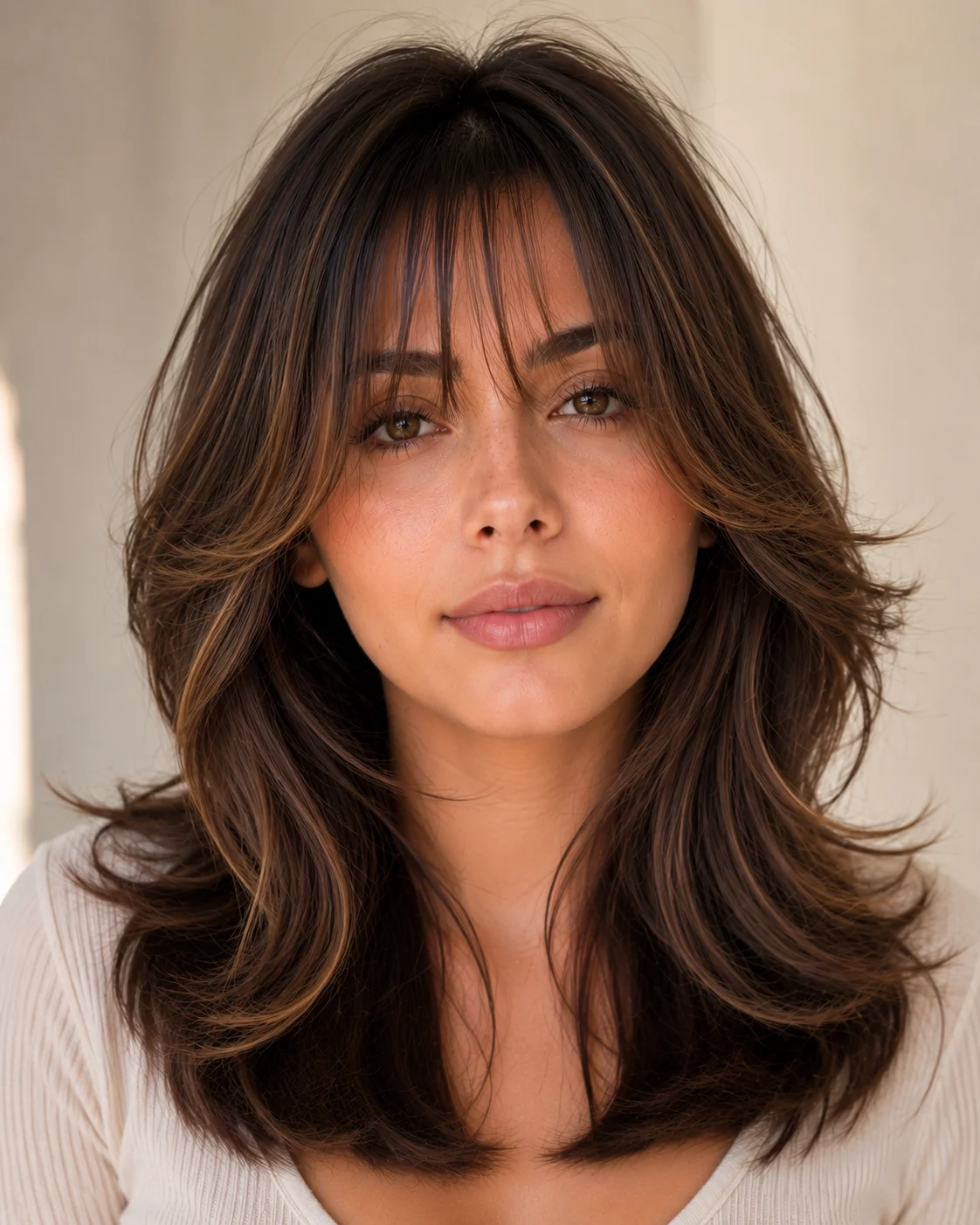
Butterfly with Side-Swept Bangs Bangs swept to one side rather than parted in the center. This version suits a wide forehead especially well, since the angled bangs break up the width instead of exposing the full forehead.
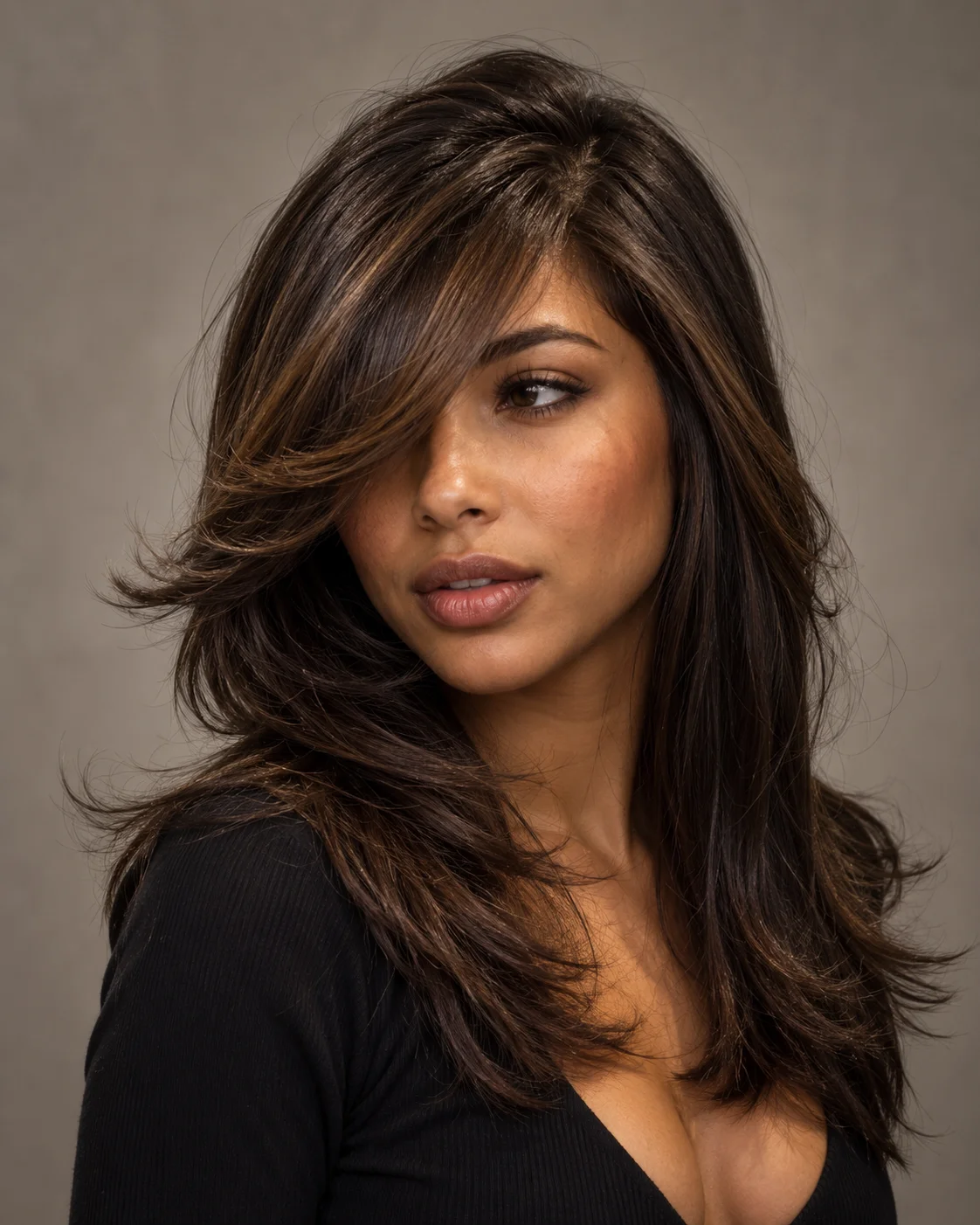
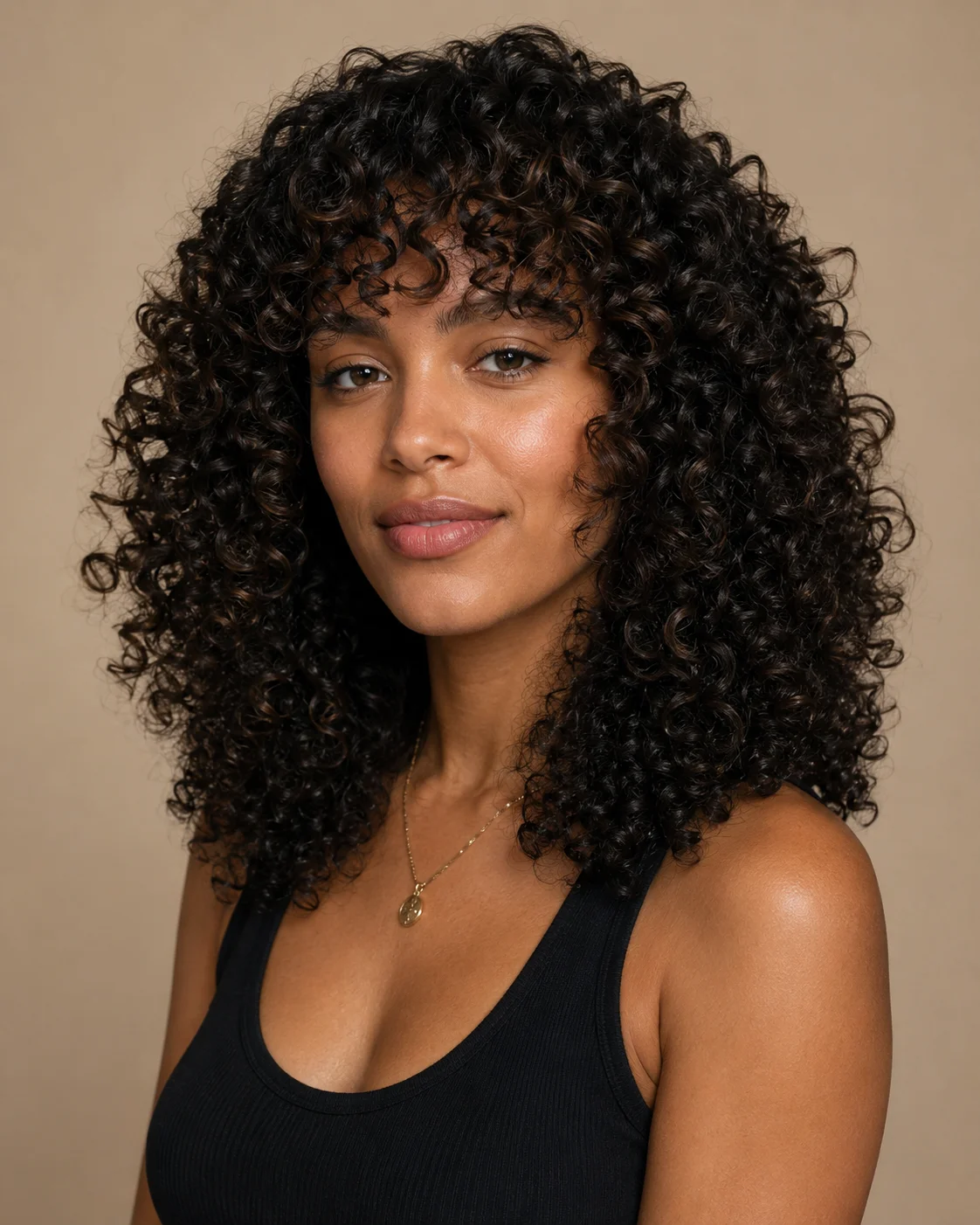
Curly Butterfly with Bangs Curly bangs shaped to flip away from the face rather than lie flat. The natural curl pattern does most of the work here, so styling time is minimal compared to straight-hair bang maintenance.
Butterfly Cuts by Texture
Wavy Butterfly Cut Natural waves and butterfly layering pair better than almost any other texture combination, since the wave pattern already creates the lift and movement a straight-haired version needs blow-drying to achieve.
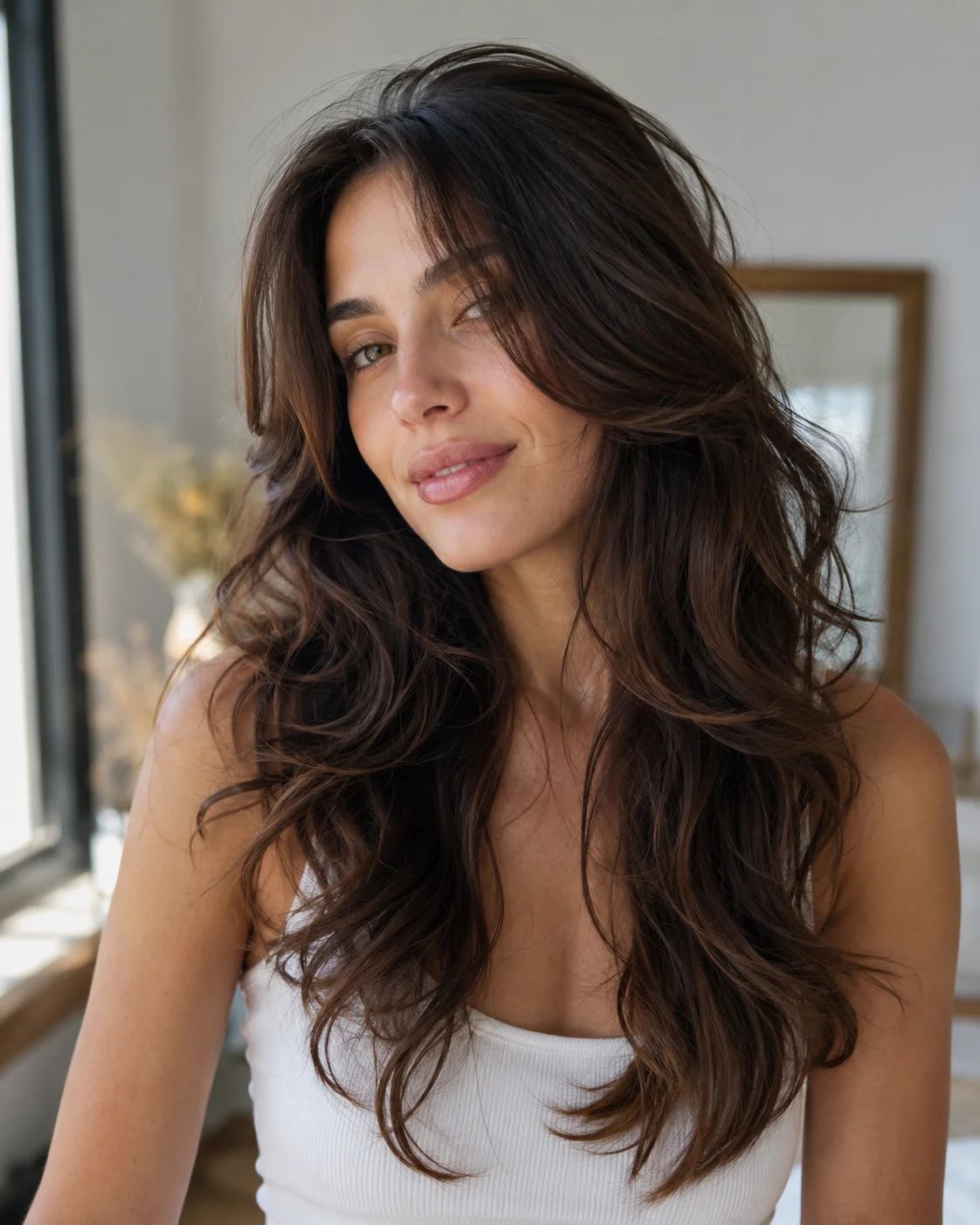
Curly Butterfly Cut On curly hair, the layers are usually cut a bit longer than they would be for straight hair, since curls shrink upward once they dry. A stylist experienced with curly cutting should always cut this dry, not wet.
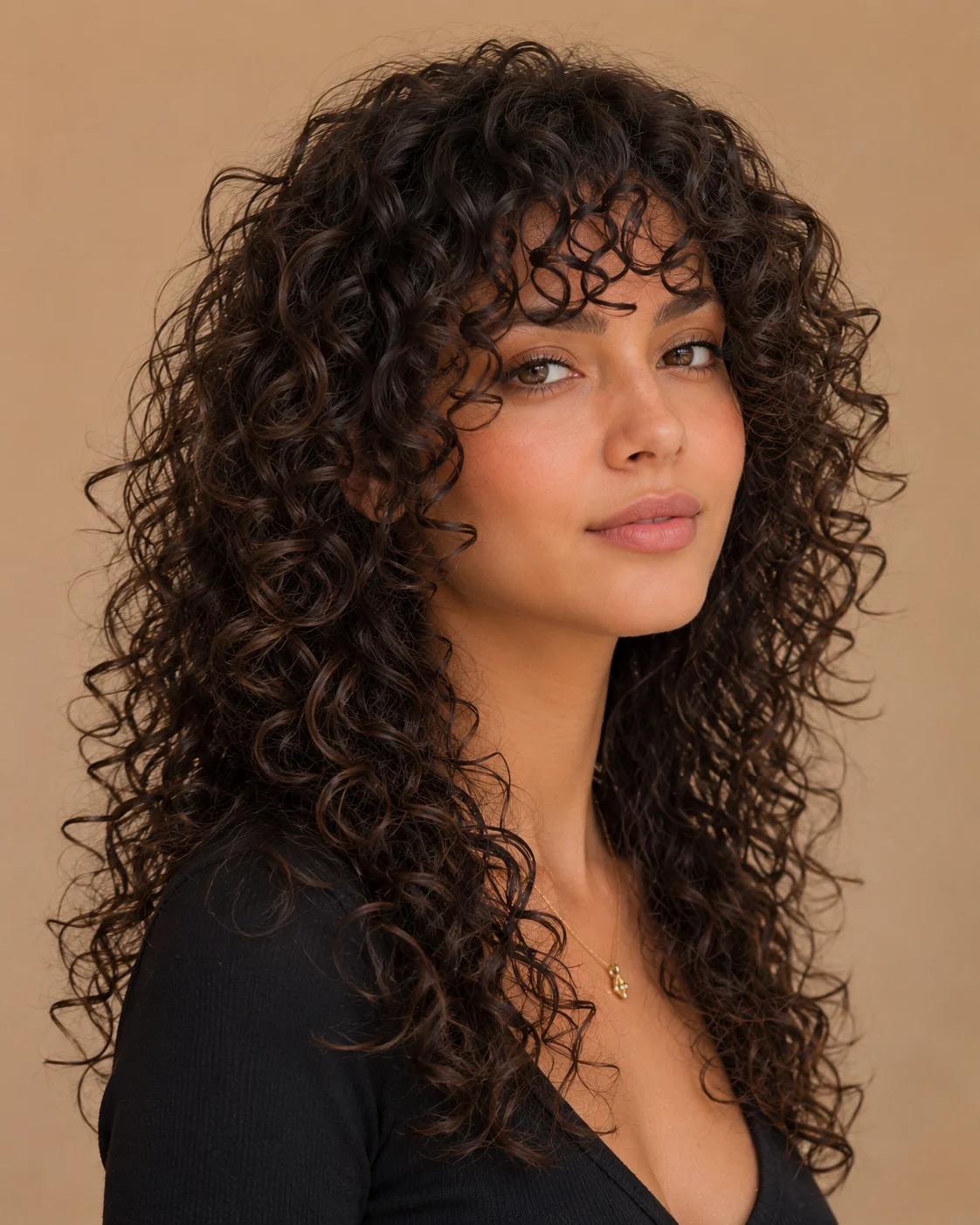
Coily Butterfly Cut This texture is almost never covered by other butterfly haircut guides, which is unfortunate since the shape translates well to coily hair. Layers are cut generously longer than the target length to allow for shrinkage, and the wing effect shows up most clearly once the hair is stretched, twisted out, or blown out on low heat.
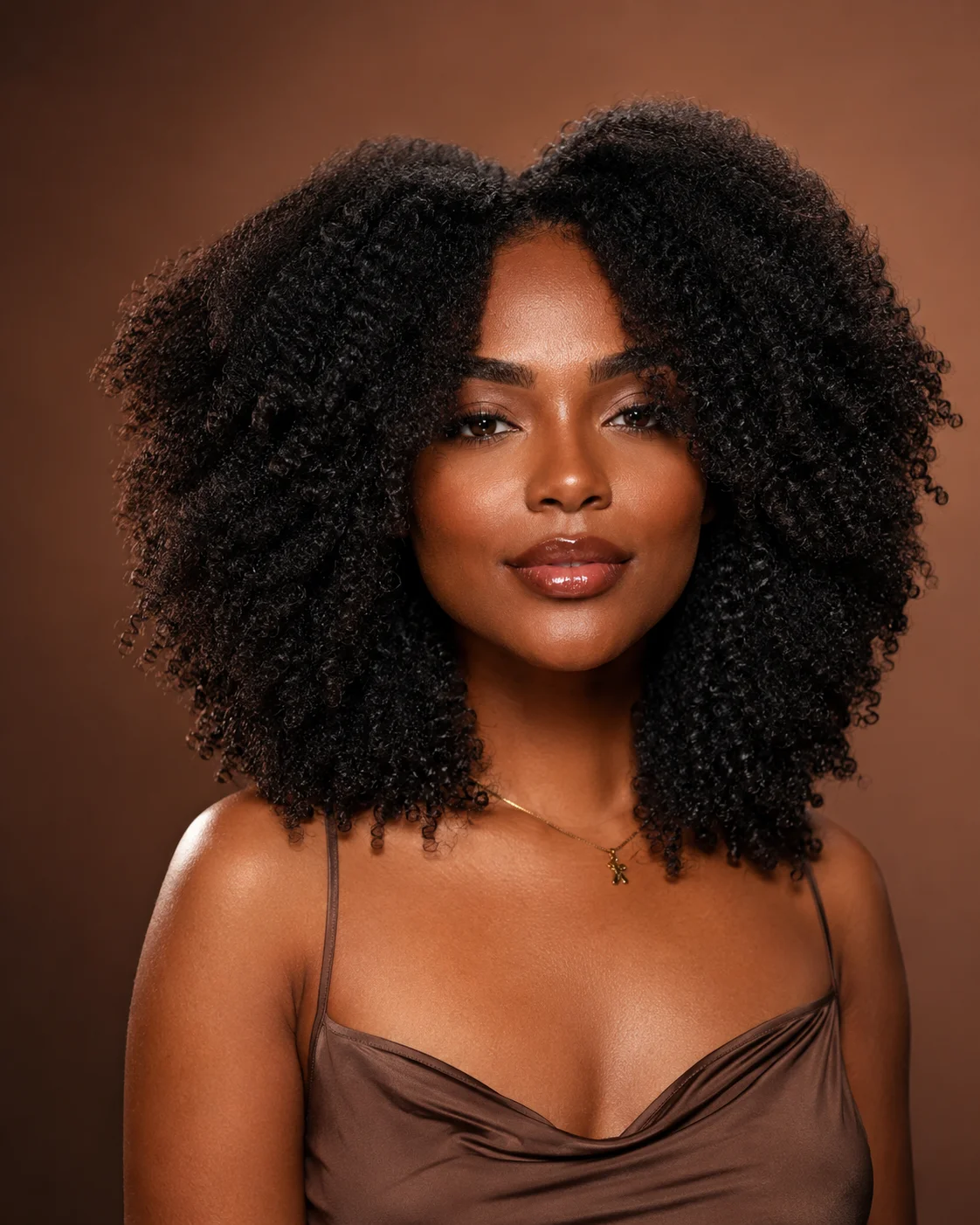
Straight Hair Butterfly Cut The version that needs the most active styling, since straight hair has no natural texture to hold the wing shape on its own. A round brush blow-dry or a curling iron pass through just the top layers is what makes this version work day to day.
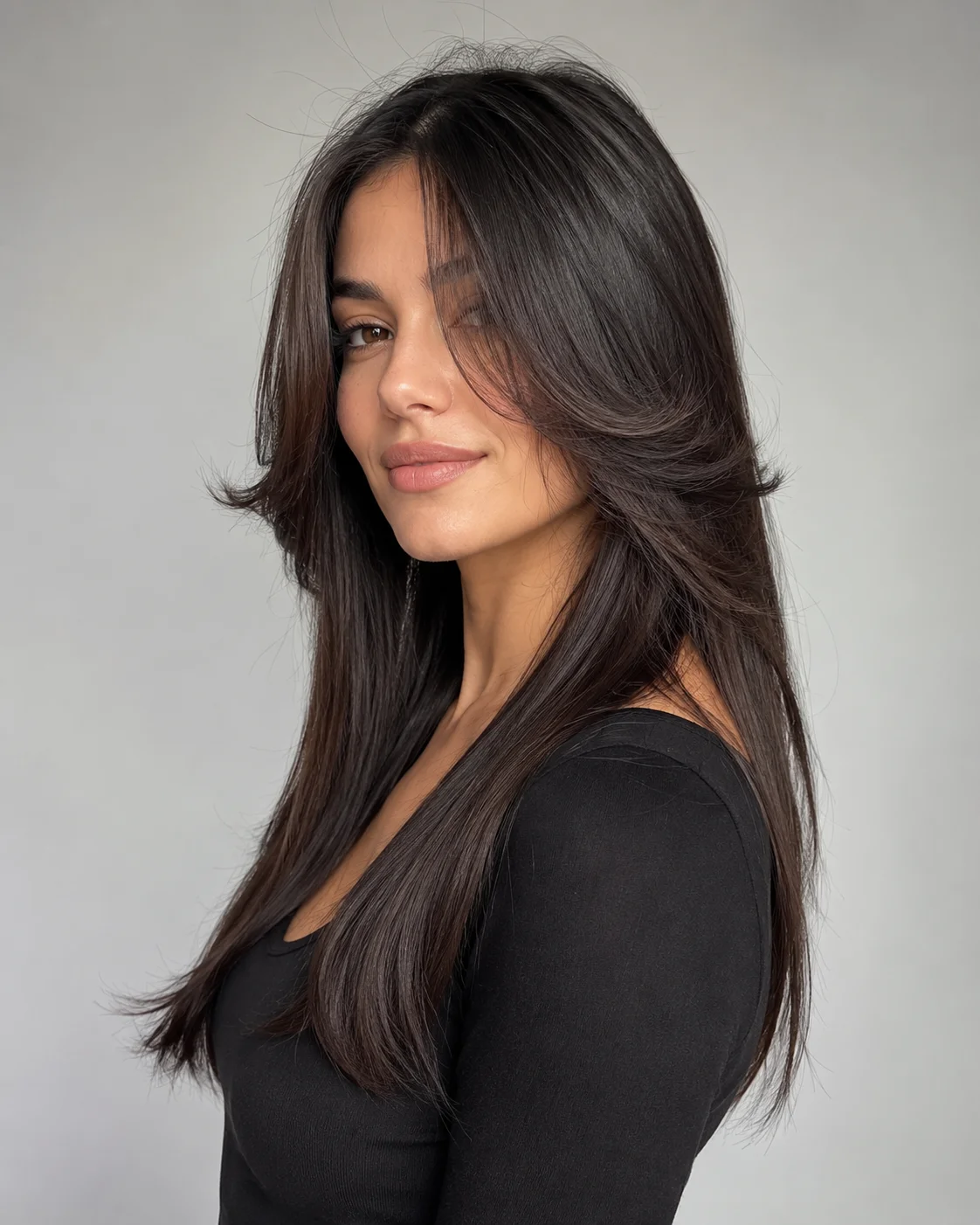
How to Style a Butterfly Haircut at Home
- Start with damp, towel-dried hair and a heat protectant spray.
- Rough-dry the underneath layers flat using your fingers and a blow dryer on medium heat.
- Section off the top, shorter layers and use a round brush to blow-dry them outward and up, away from your face.
- Once fully dry, run a curling iron or wand through just the shortest layers if you want extra flip. Skip this step on wavy or curly hair, since the natural texture usually does this already.
- Finish with a lightweight texture spray or mousse at the roots for lift, and a small amount of shine serum on the ends to control frizz.
- Avoid heavy oils near the crown. They weigh down the exact layers that are supposed to be lifting.
Maintenance and Cost
A butterfly haircut usually needs a trim every eight to twelve weeks to keep the shortest layers from growing out and losing their shape. Salon pricing varies a lot by city and stylist experience, but expect to pay somewhere between a standard haircut and a full layered restyle, since the cut itself takes longer than a one-length trim.
If you color your hair as part of the look, such as a money piece or balayage, budget separately for that upkeep. Highlight touch-ups typically run on a different schedule than the haircut itself, often every ten to sixteen weeks depending on how fast your natural color grows out.
Butterfly Cut vs. Shag vs. Wolf Cut
| Feature | Butterfly Cut | Shag | Wolf Cut |
|---|---|---|---|
| Layer intensity | Moderate to heavy, concentrated near the face | Heavy, all over | Very heavy, all over |
| Best for | Most hair types and lengths | Fine to medium hair | Thick, textured hair |
| Styling effort | Moderate | Low | Moderate to high |
| Face-framing focus | Strong | Mild | Mild |
| Vibe | Soft, romantic | Retro, casual | Edgy, undone |
What to Say to Your Stylist
Bring a reference photo, but also describe your hair’s current density and texture out loud, since a photo alone does not tell your stylist how your hair actually behaves.
FAQs
Does a butterfly haircut work on thin hair?
Yes, but the shortest layers should be kept slightly longer than standard to avoid a sparse look at the crown. Ask your stylist for lighter internal layering.
How much shorter will my hair look?
The overall length barely changes. What changes is the shape, since the top layers are cut shorter while the underneath length stays close to what you started with.
Can I get a butterfly cut on short hair?
Yes, though the effect is more subtle than on medium or long hair, since the cut relies on length difference between layers to create the wing shape.
How often do I need to trim it?
Every eight to twelve weeks is standard, mainly to keep the shortest face-framing layers from growing out and losing definition.
Does it damage curly or coily hair?
Not if it is cut dry by a stylist experienced with textured hair. Cutting curly or coily hair wet often leads to layers that are too short once the hair dries and shrinks.
Is a butterfly cut high maintenance?
It sits in the middle. Wavy and curly textures need very little daily effort. Straight hair needs regular blow-drying or curling to keep the wing shape visible.
Will it work with bangs I already have?
Usually yes. Curtain bangs, wispy fringe, and side-swept bangs all blend naturally into the shortest butterfly layer without needing a separate cut line.
Final Thoughts
A butterfly haircut is one of the few cuts flexible enough to work across nearly every length and texture, from a straight long bob to coily medium-length hair. Pick the version that matches your current hair density and texture rather than just the photo you liked best, bring the stylist script above to your next appointment, and you should walk out with a shape that actually holds up between salon visits.
One Comment